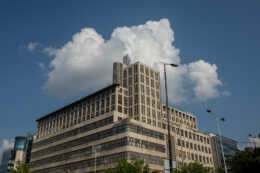
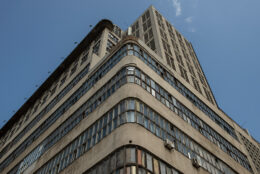
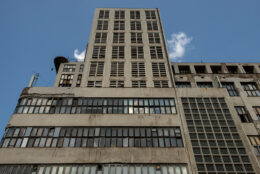
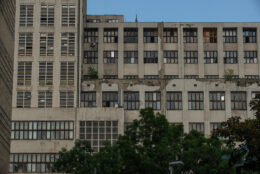
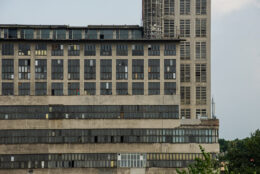
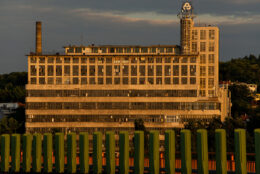
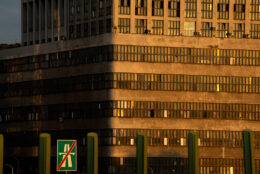
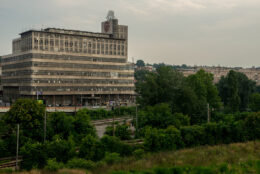
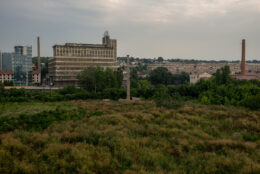
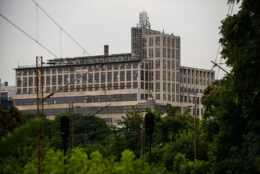
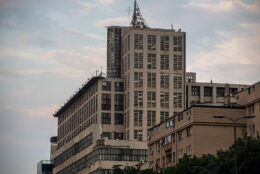
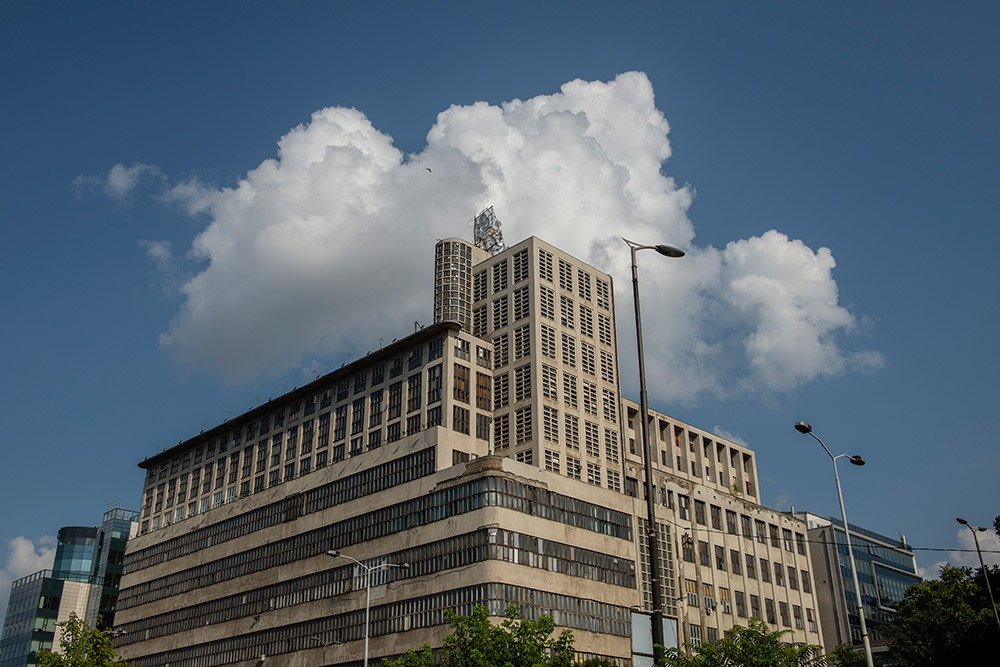
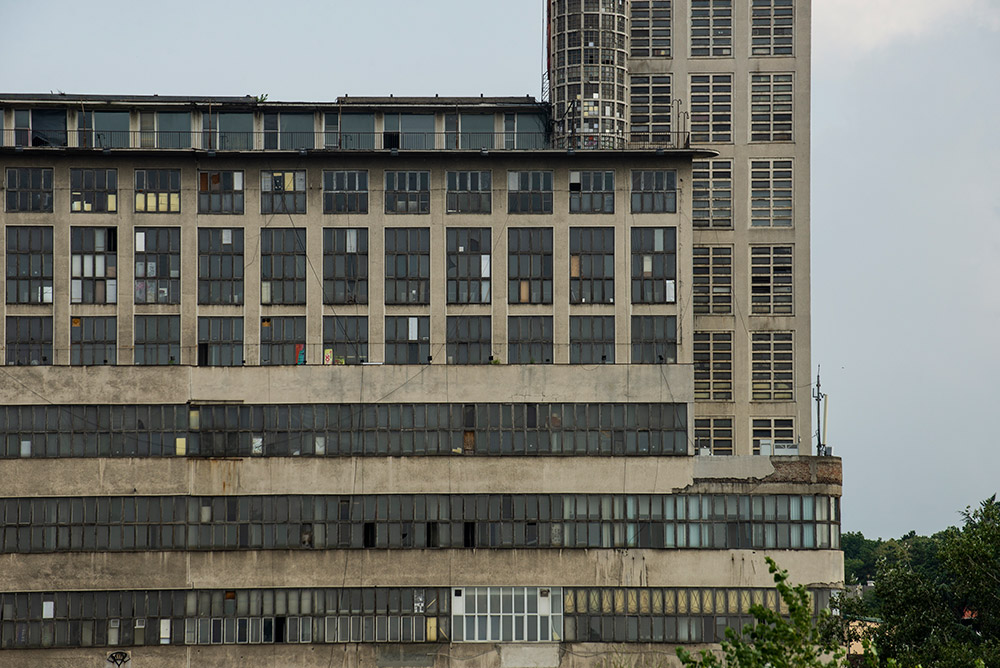
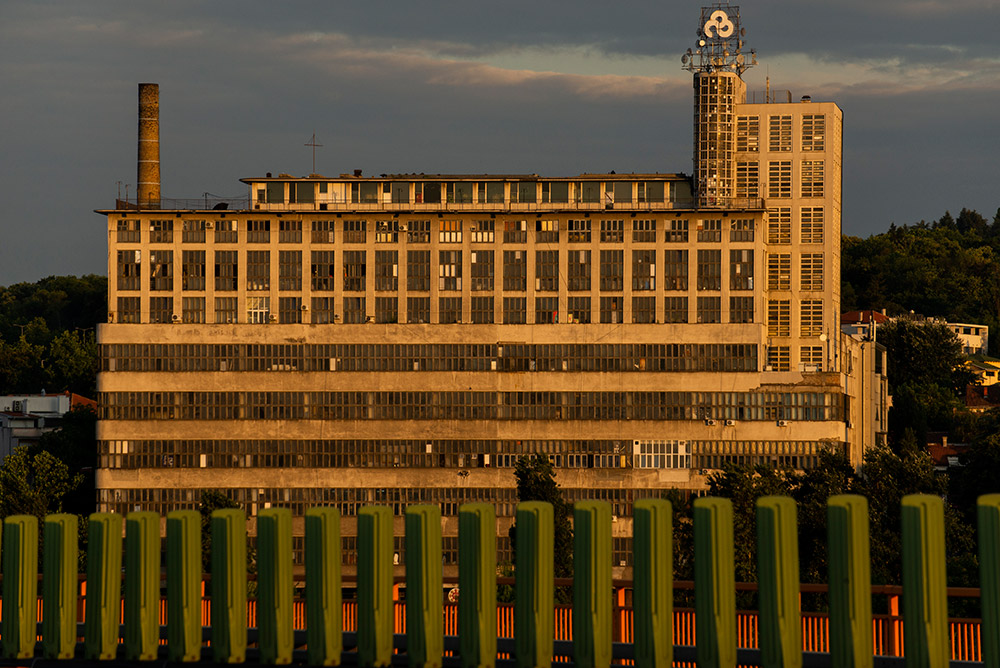
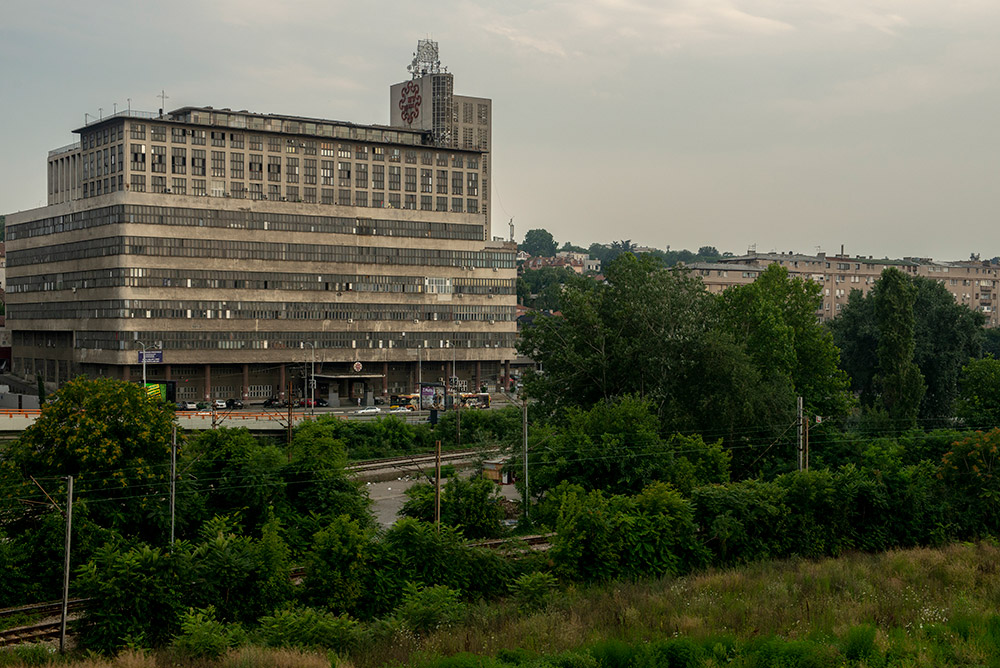
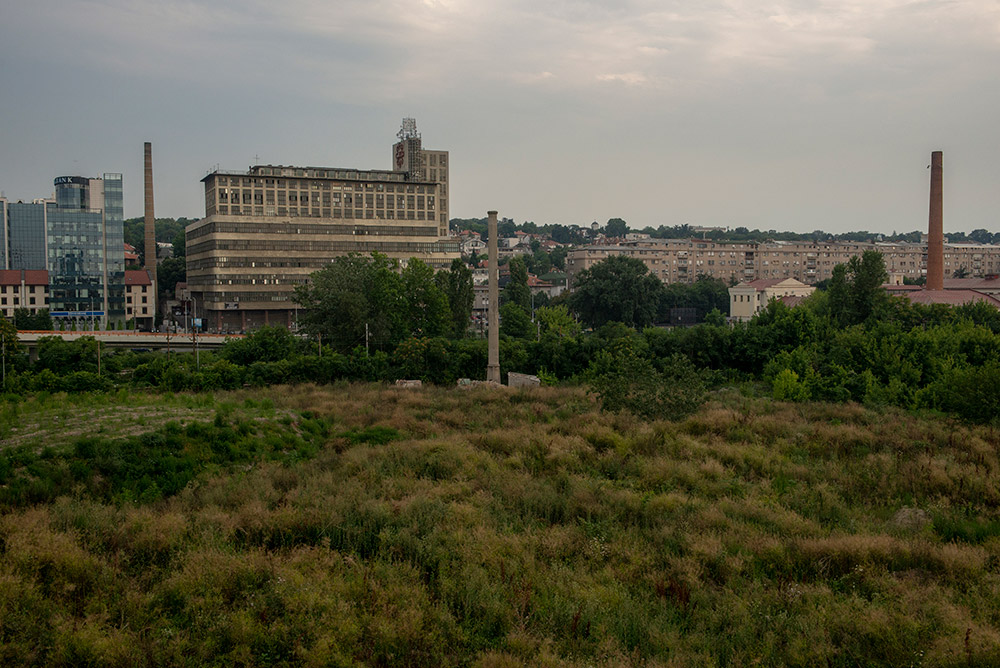
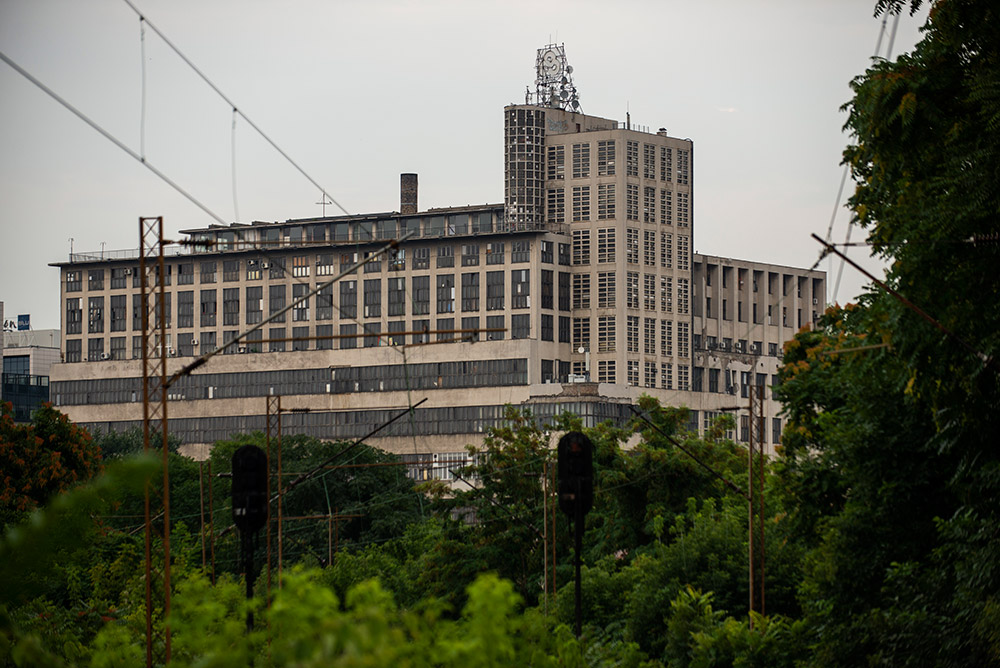
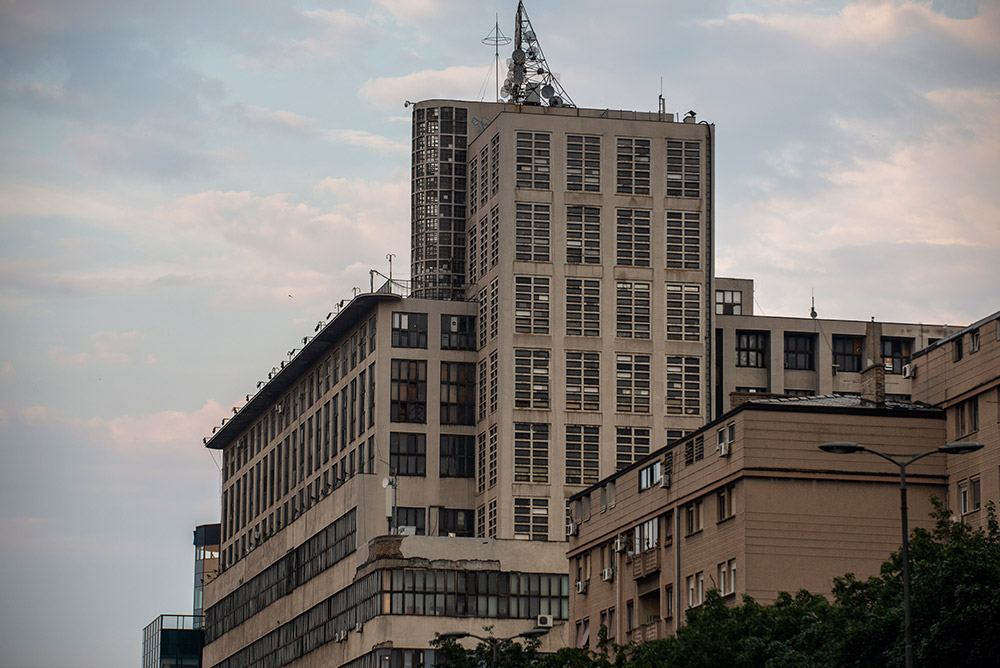
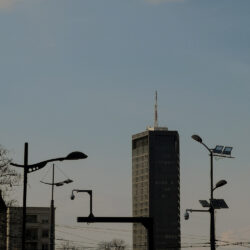
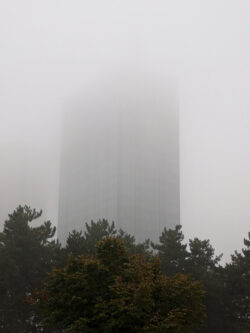
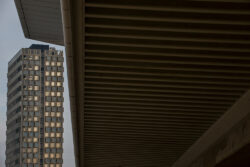
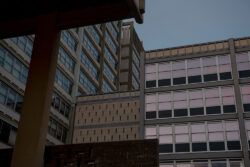
Initially classified as industrial building, locally known as BIGZ, it used to house a state-owned company – Beogradski izdavački grafički zavod / Belgrade Publishing Graphic Institute – one of the largest enterprises in the Kingdom of Yugoslavia.
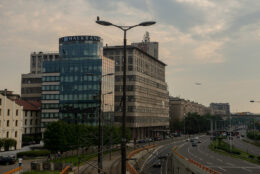
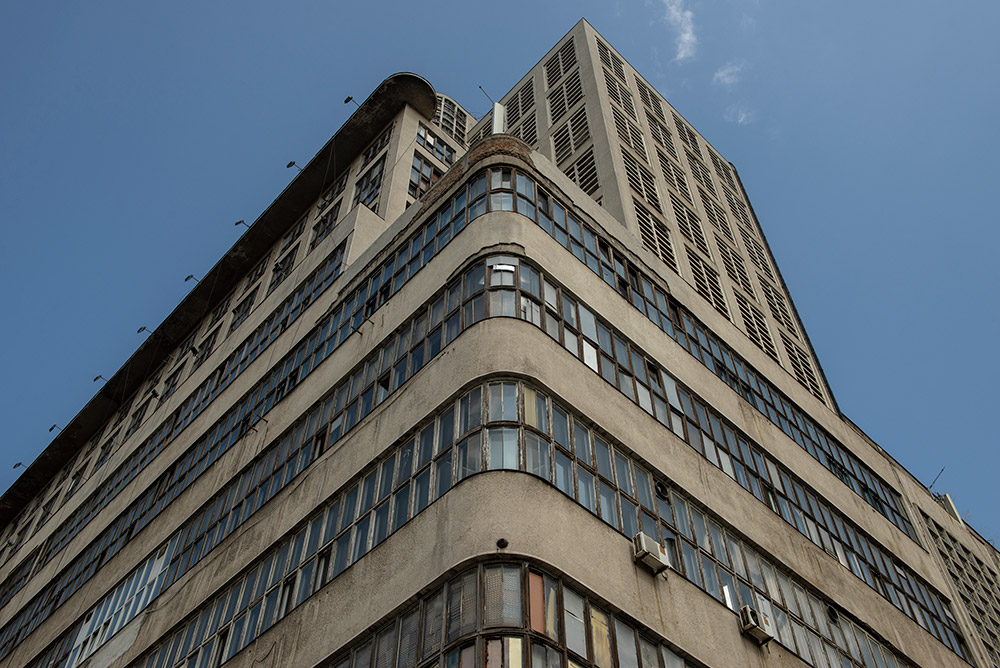
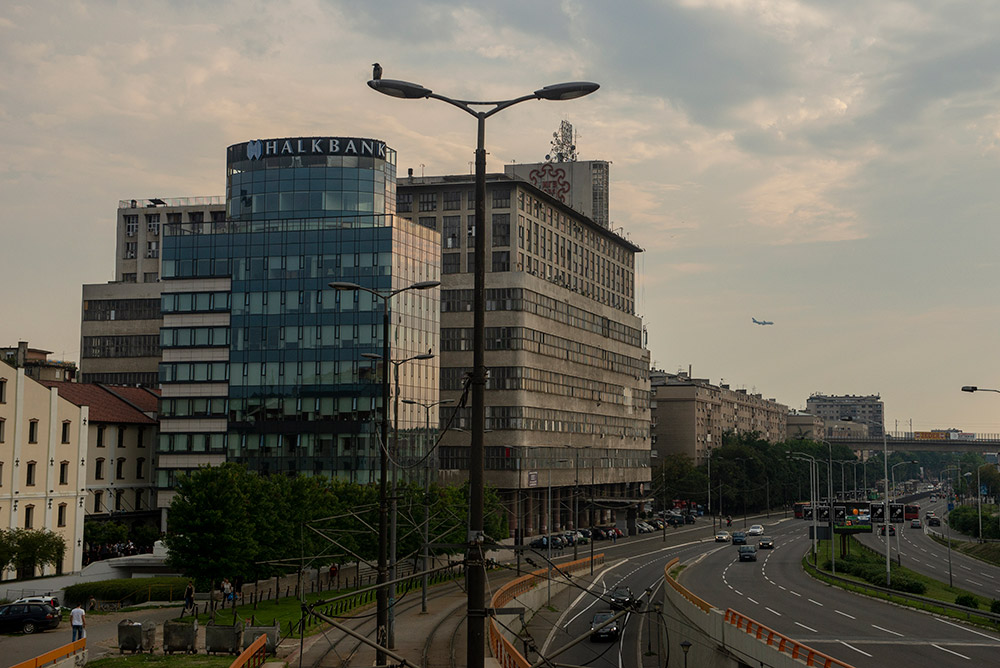
Built in what was at the time industrial part of the city, The State Printing House has been Belgrade’s landmark for almost a century. As the city changed and developed over the years, this monumental building is now dominating the edge of the city centre. The multi-floor edifice is one of the most recognizable works by Dragiša Brašovan (1887-1965), a prominent Yugoslav and Serbian modernist architect.
Construction was commissioned in 1933, by Kingdom of Yugoslavia’s Ministry of Education and completed in 1940. With 36,000 m2 of usable area, it was 4th largest printing house in Europe and the biggest one in the Balkans. The printing activity was delayed until 1946, due to WWII.
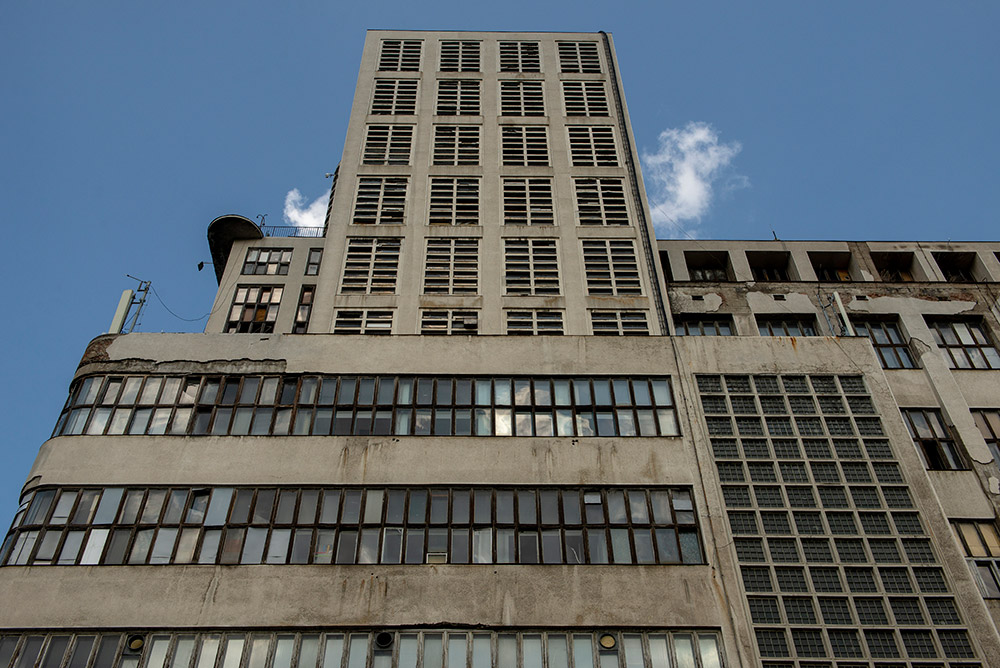
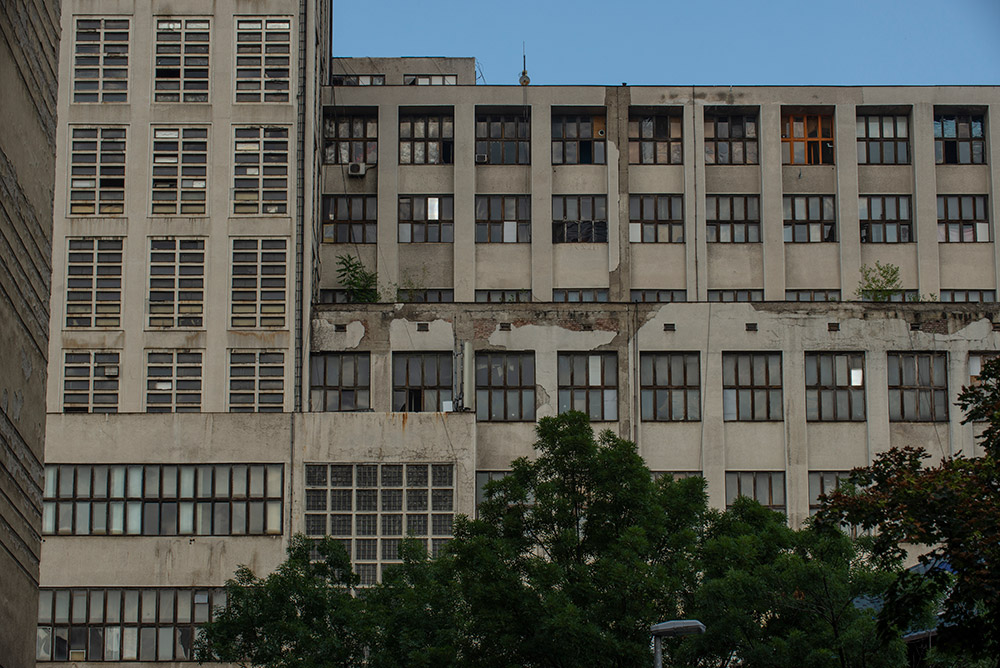
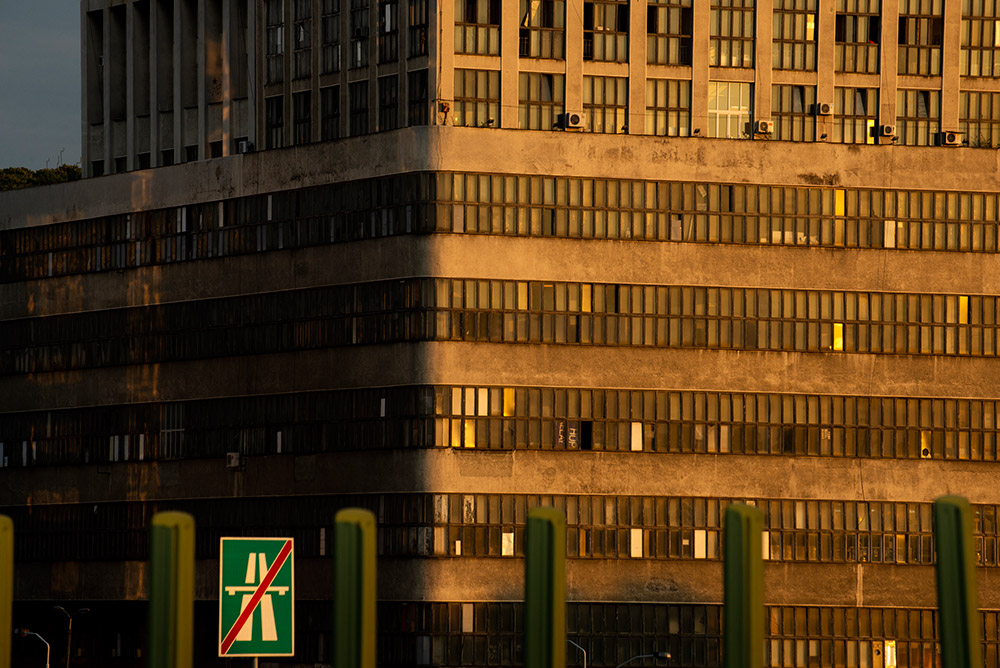
The State Printing House became Belgrade Institute of Graphics in 1955 and in 1970 the scope of work expanded with introducing publishing and eventually establishing Belgrade Publishing Graphic Institute (BIGZ). Employing several thousand people, the company, as well as its building, became locally known as BIGZ, which is still the case today. In the 1990s, after wars and economic sanctions, the BIGZ company bankrupted. Consequently, the building was practically abandoned and started to decay, even though it was a protected monument of culture since 1992.
Without significant refurbishment, BIGZ building has been privately held since 2007, becoming a multi-purpose rental venue, housing a wide range of small businesses and creative professionals. In 2010s it was also home for arts, crafts and music studios, including about ten night clubs, a radio station, etc. gaining an unofficial status of Belgrade’s alternative scene hub. The building was resold in 2021 and has undergone a renovation and repurposing into a multifunctional business centre.
to explore related posts – continue scrolling
to navigate through posts – use arrows
BIGZ Building Belgrade
Initially classified as industrial building, locally known as BIGZ, it used to house a state-owned company – Beogradski izdavački grafički zavod / Belgrade Publishing Graphic Institute – one of the largest enterprises in the Kingdom of Yugoslavia.
Built in what was at the time industrial part of the city, The State Printing House has been Belgrade’s landmark for almost a century. As the city changed and developed over the years, this monumental building is now dominating the edge of the city centre. The multi-floor edifice is one of the most recognizable works by Dragiša Brašovan (1887-1965), a prominent Yugoslav and Serbian modernist architect.
Construction was commissioned in 1933, by Kingdom of Yugoslavia’s Ministry of Education and completed in 1940. With 36,000 m2 of usable area, it was 4th largest printing house in Europe and the biggest one in the Balkans. The printing activity was delayed until 1946, due to WWII.
The State Printing House became Belgrade Institute of Graphics in 1955 and in 1970 the scope of work expanded with introducing publishing and eventually establishing Belgrade Publishing Graphic Institute (BIGZ). Employing several thousand people, the company, as well as its building, became locally known as BIGZ, which is still the case today. In the 1990s, after wars and economic sanctions, the BIGZ company bankrupted. Consequently, the building was practically abandoned and started to decay, even though it was a protected monument of culture since 1992.
Without significant refurbishment, BIGZ building has been privately held since 2007, becoming a multi-purpose rental venue, housing a wide range of small businesses and creative professionals. In 2010s it was also home for arts, crafts and music studios, including about ten night clubs, a radio station, etc. gaining an unofficial status of Belgrade’s alternative scene hub. The building was resold in 2021 and has undergone a renovation and repurposing into a multifunctional business centre.