Series

The Man in White
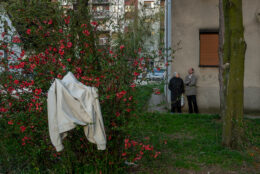
  • Mladenovac, Serbia, March 2017 © Milovan Milenković

  • Mladenovac, Serbia, March 2017 © Milovan Milenković

  • Mladenovac, Serbia, March 2017 © Milovan Milenković

  • Mladenovac, Serbia, March 2017 © Milovan Milenković

  • Mladenovac, Serbia, March 2017 © Milovan Milenković

  • Mladenovac, Serbia, March 2017 © Milovan Milenković

  • Mladenovac, Serbia, March 2017 © Milovan Milenković

  • Mladenovac, Serbia, March 2017 © Milovan Milenković

  • Mladenovac, Serbia, March 2017 © Milovan Milenković

  • Mladenovac, Serbia, March 2017 © Milovan Milenković

  • Mladenovac, Serbia, March 2017 © Milovan Milenković

  • Mladenovac, Serbia, March 2017 © Milovan Milenković

  • Mladenovac, Serbia, March 2017 © Milovan Milenković

  • Mladenovac, Serbia, March 2017 © Milovan Milenković

  • Mladenovac, Serbia, March 2017 © Milovan Milenković

  • Mladenovac, Serbia, March 2017 © Milovan Milenković

  • Mladenovac, Serbia, March 2017 © Milovan Milenković

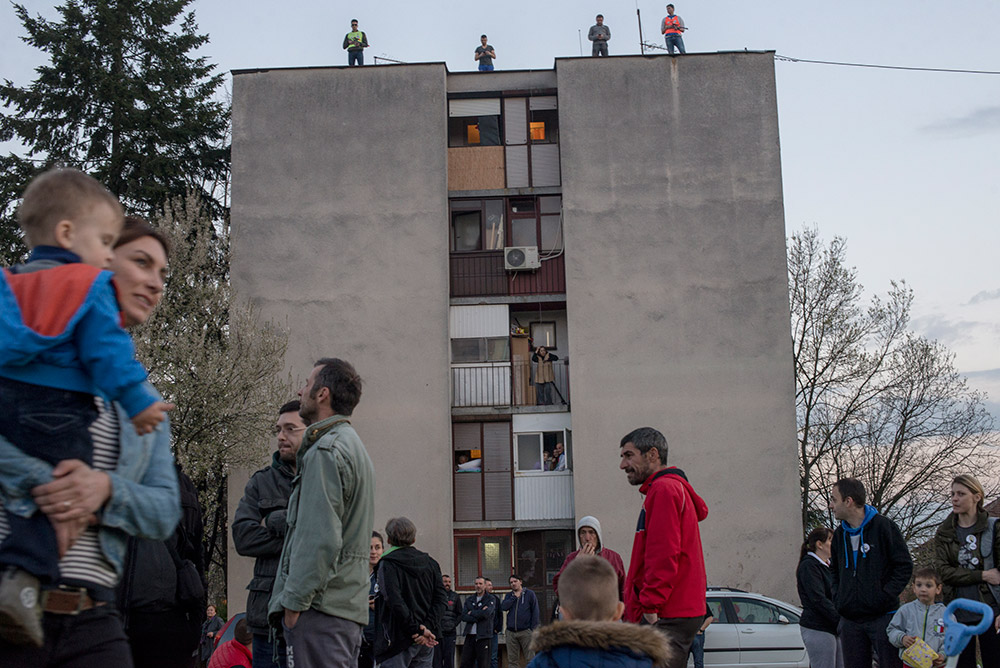
It has been a while since a fresh face appeared in Serbian political scene. In 2017, a student of Media and Communication, Luka Maksimović (26), was running for president and managed to get 344,498 votes.

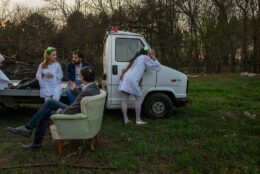
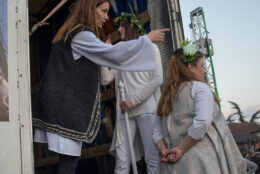
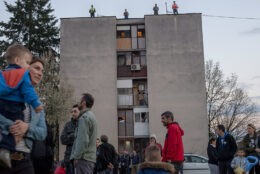
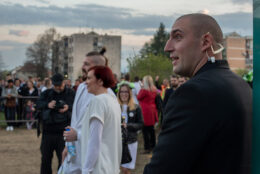
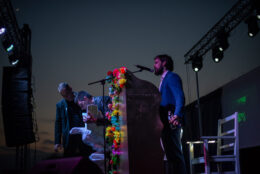
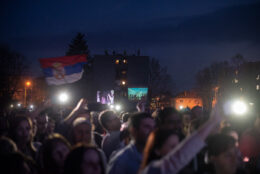
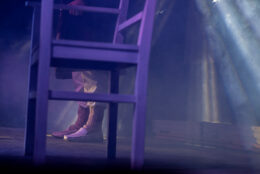
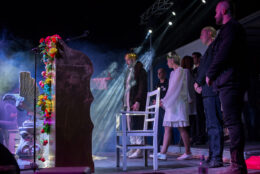
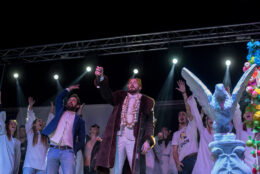
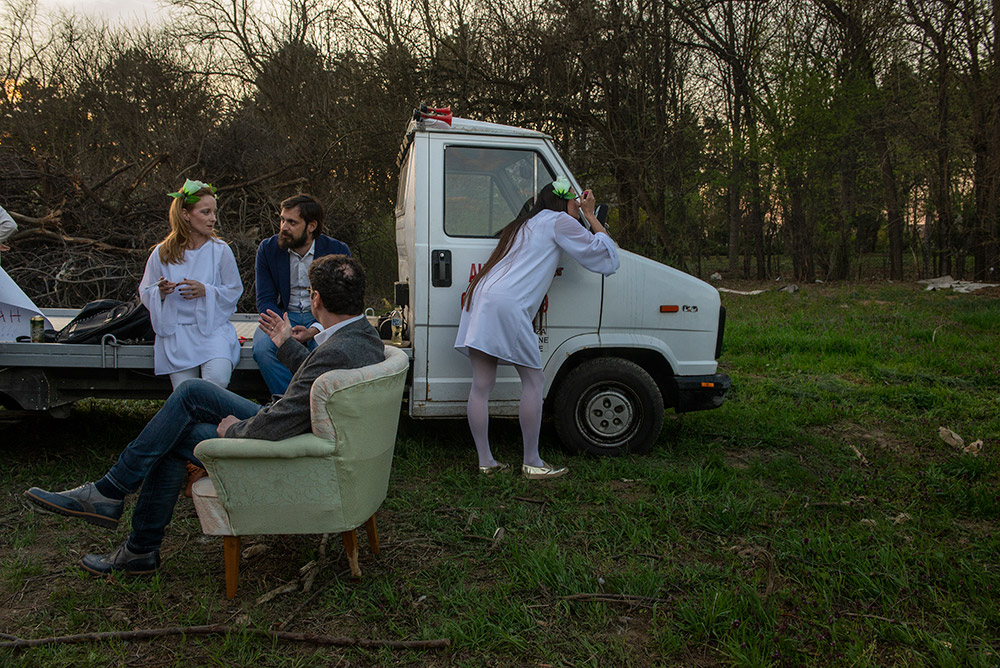
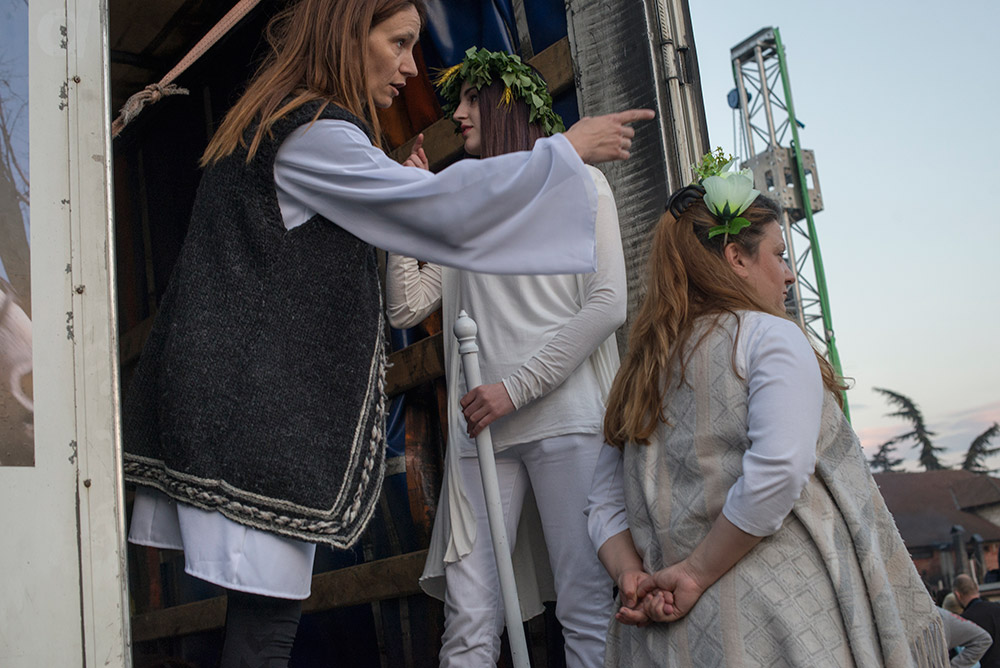
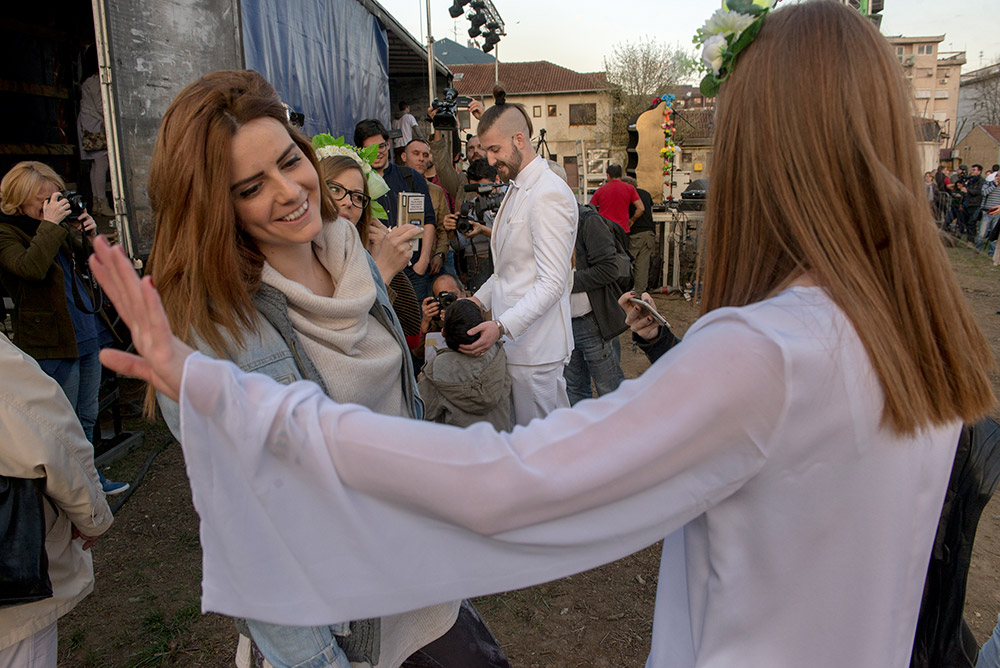
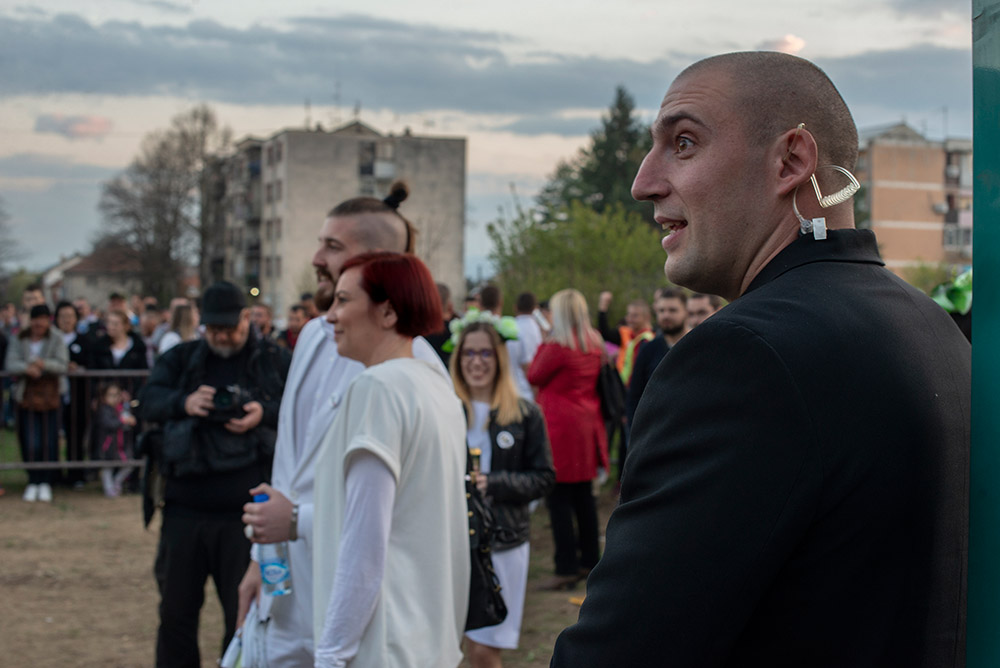
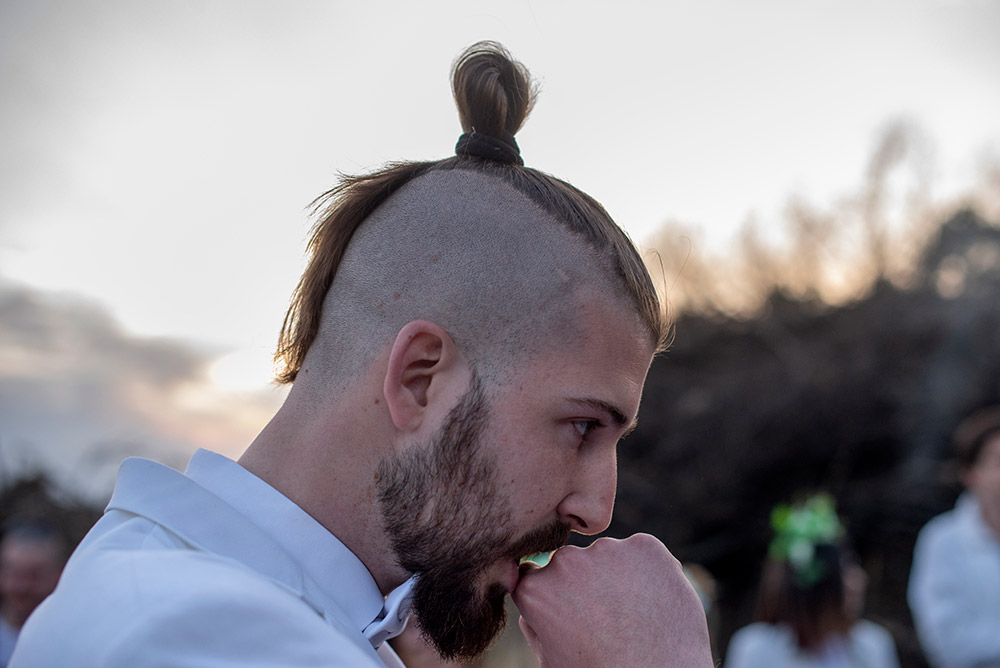
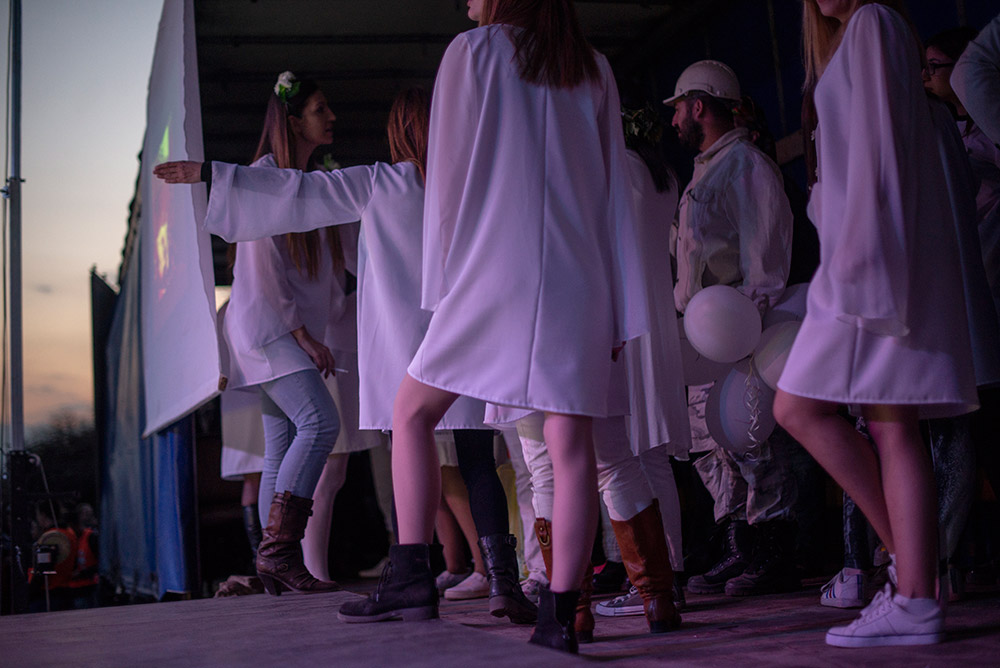
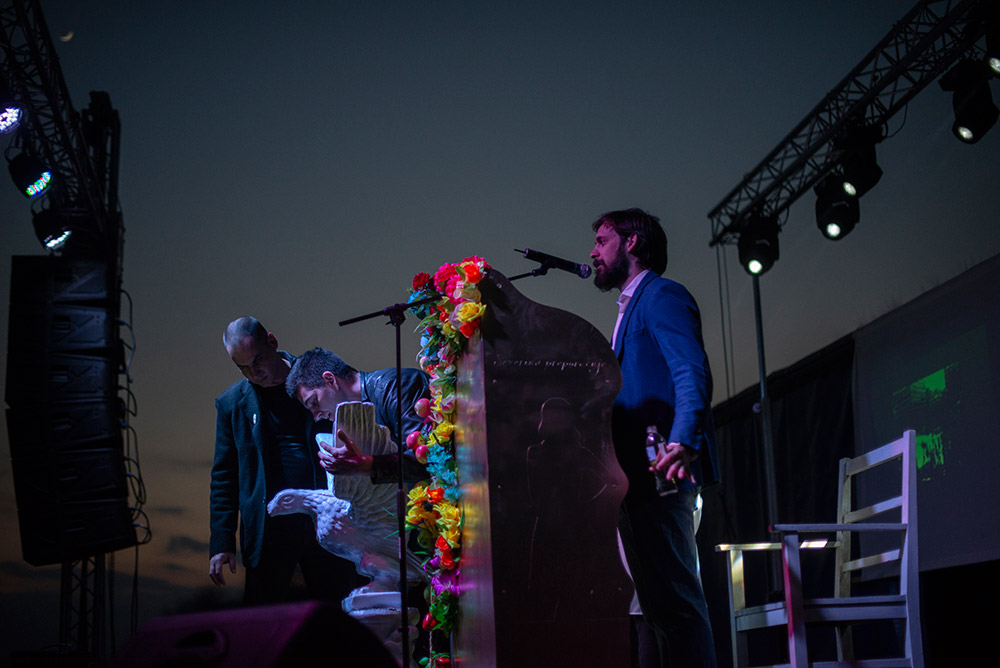
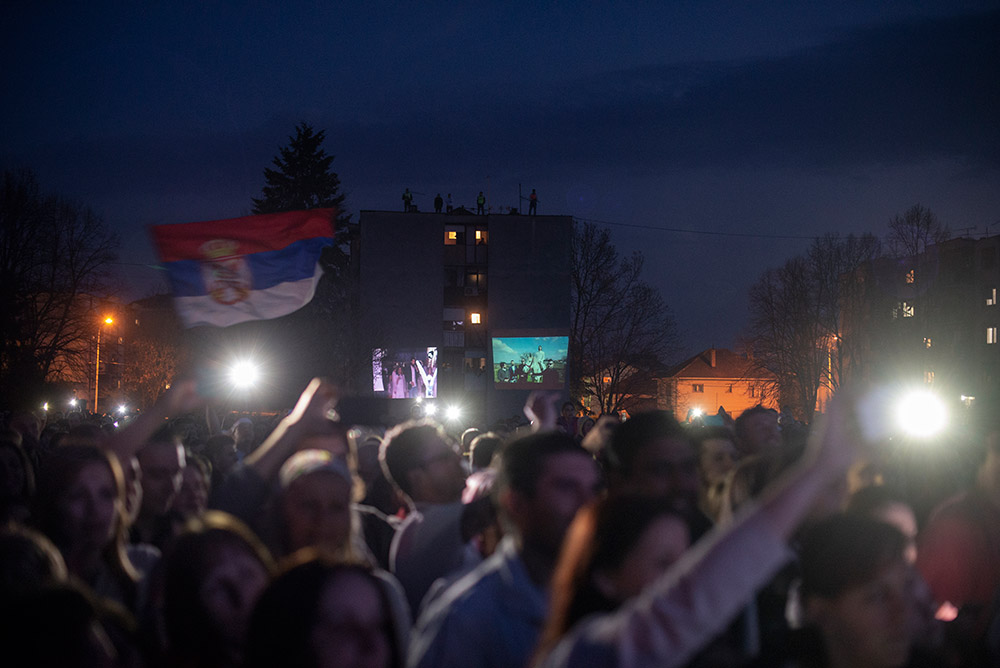
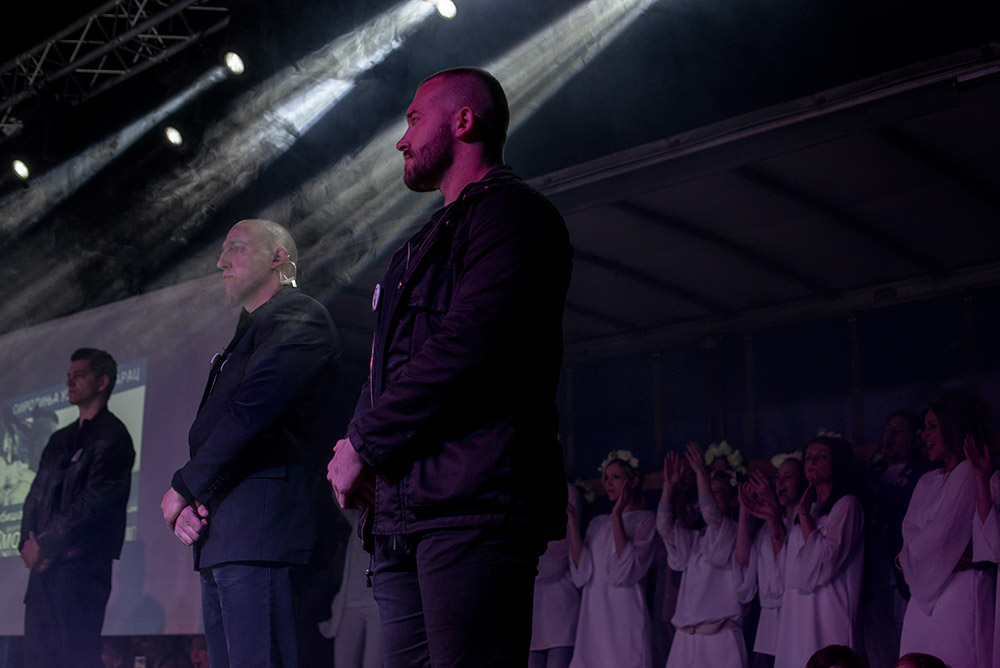
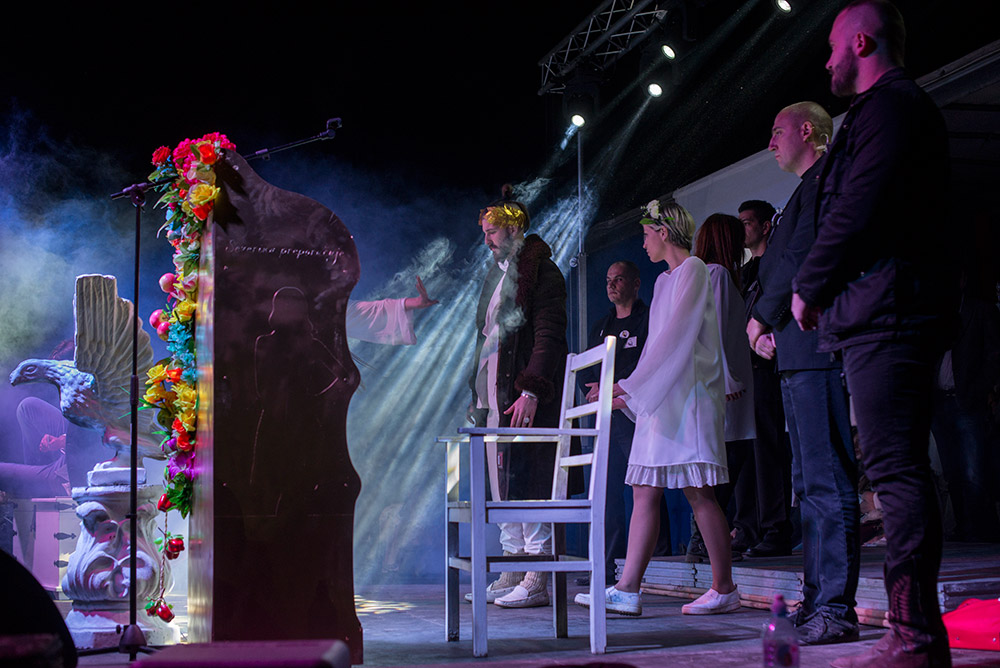
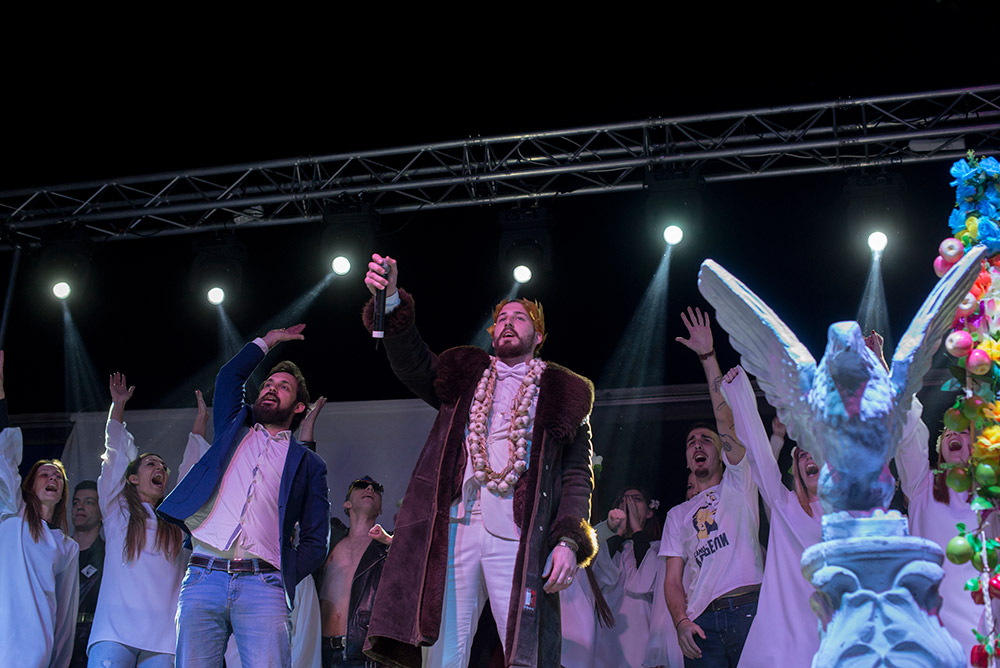
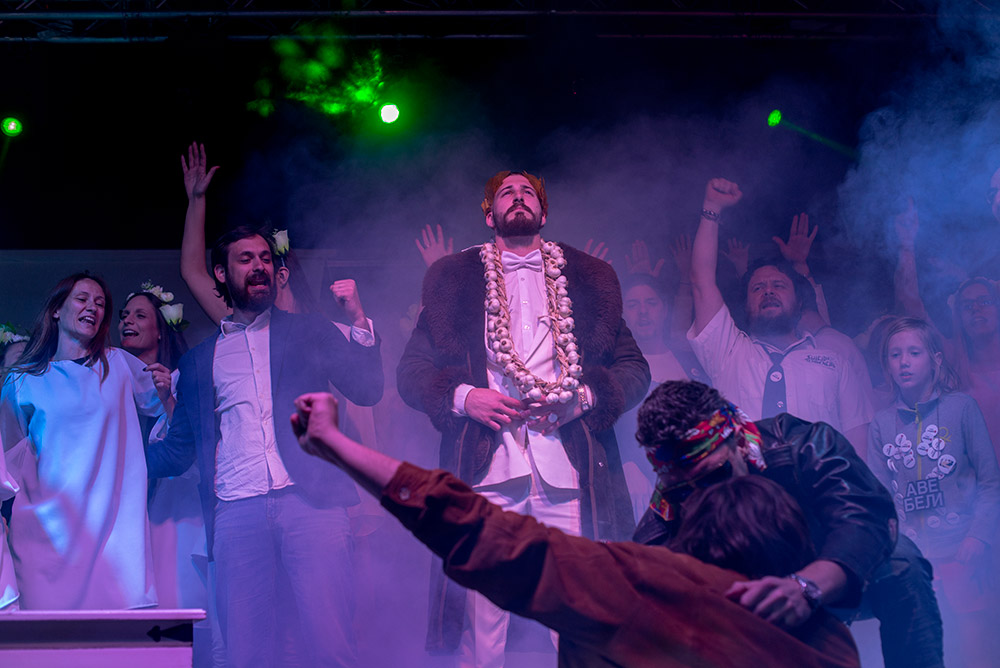
At his last public appearance in the electoral campaign, only few days before the voting, several thousand people gathered in Belgrade suburban municipality Mladenovac (Luka’s hometown), to support and cheer for the presidential candidate. Instead of a thoughtful, earnest speech and official atmosphere, there was an amateur theatre-like show, performed by a parody politician. A fictional character, Ljubiša Preletačević – Beli, Luka’s alter ego, mocking Serbian corrupted political system and opportunistic leaders.

Mladenovac, Serbia, March 2017 © Milovan Milenković

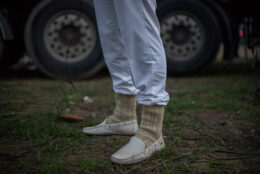
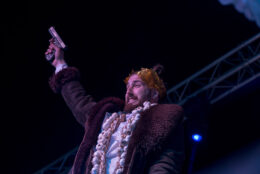
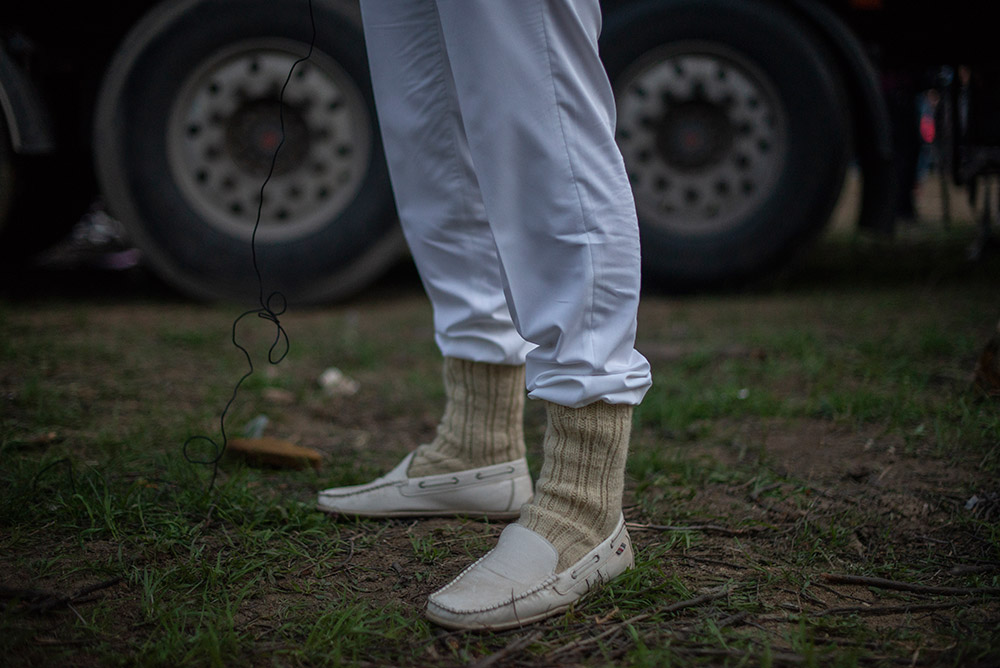
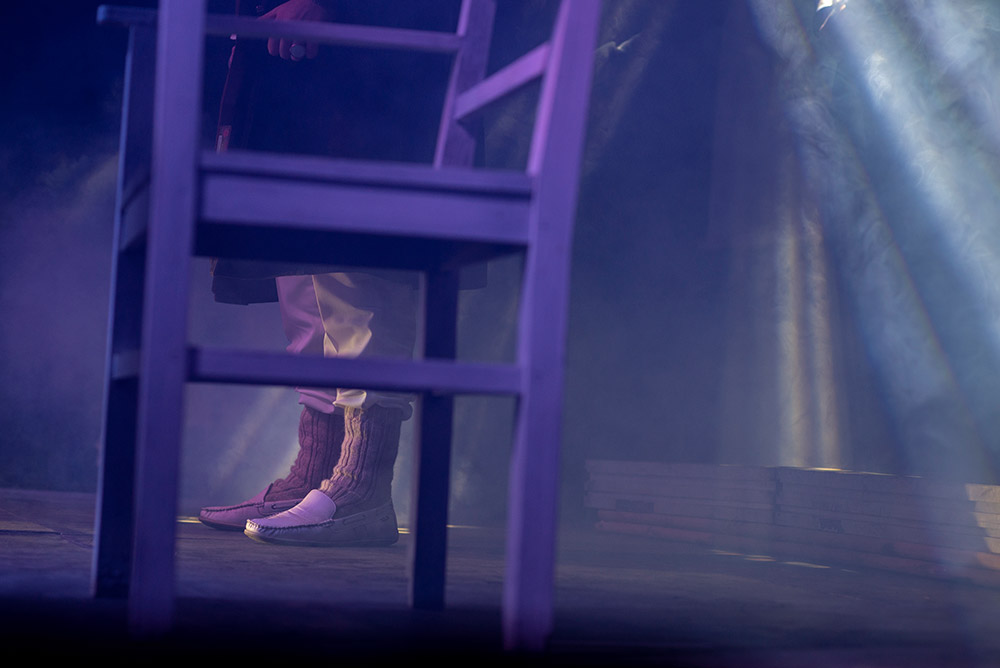
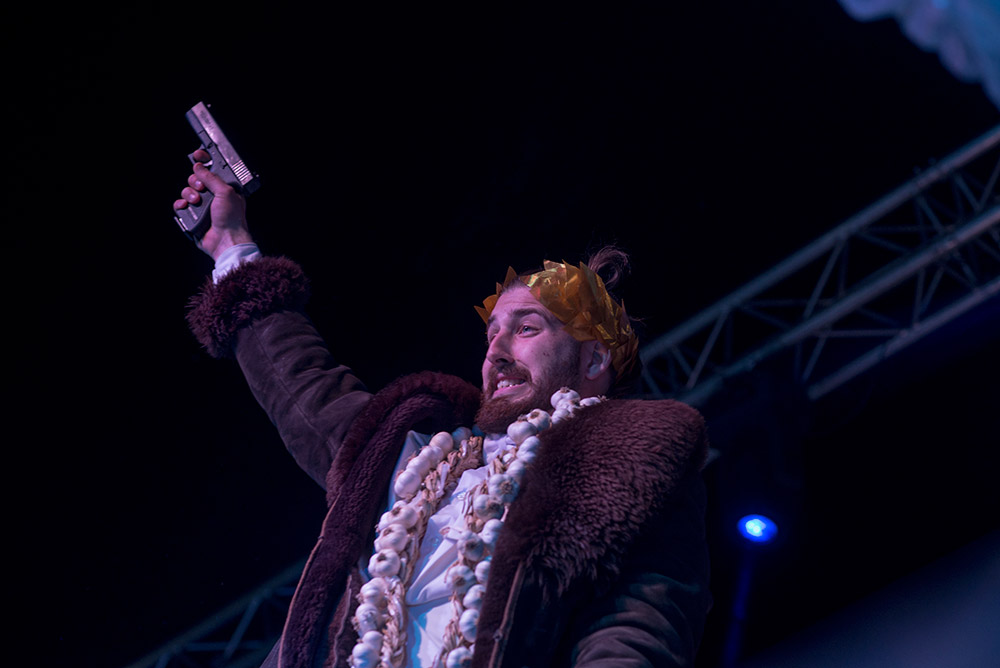
Ljubiša is an old-fashioned Serbian first name, commonly found in rural areas. The pun is actually in the surname, as preletač (colloquially “a switcher”) in this context refers to a politician who constantly switches from one party to another for personal gain. It continues with his nickname, Beli, meaning white and symbolising purity and innocence: he is dressed in all white from top to toe, including traditional woollen socks packed in moccasins, completed with a golden watch and a flashy ring.

Beli’s first appearance as a fictional “saviour” of the nation was in a satirical video on YouTube, which quickly gained over million views. Shortly after that, he started a political party with his friends and participated in the local council elections (2016), where he unexpectedly came second, having gathered 20% of votes (i.e. 12 seats in the assembly of Mladenovac municipality). Encouraged by the success, this anti-establishment movement continued its political presence by fooling around. Even though lacking in funds, infrastructure and political experience, Beli eventually ran in the presidential elections in 2017, staying in the character of a satirical populist.

He quickly rose to prominence as something of a political star – a sympathetic villain who has already established a parodic narrative which unexpectedly resonated with the masses. With a group of friends and supporters he devised a campaign which, modestly founded, relied heavily on improvisation and pomposity – their slogan was “hit it hard” (“samo jako”). As the voting day was approaching, his popularity was soaring. Embraced by younger generation and first-time voters, as well as those disappointed in the permanently eroding political system, Beli came third, leaving much more accomplished and prominent names behind, winning 9.44% total votes.

Mladenovac, Serbia, March 2017 © Milovan Milenković

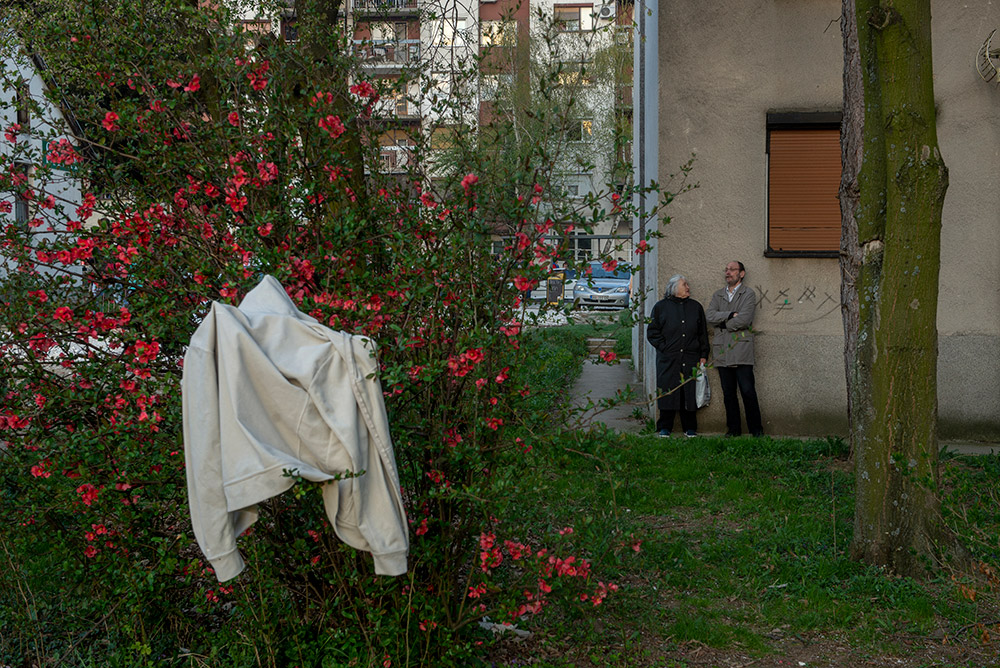
Essentially, the voters had a one-off chance to express their bitterness towards opportunistic politicians who have been flooding the political scene since the multi-party system was re-introduced in the early 1990s. However, only a day after the elections, everything went back to business as usual – radical nationalists with communist mind-set simulating democracy and spreading populism while implementing pseudo-capitalism, coupled with corruption, chauvinism and nepotism.

to explore related posts – continue scrolling

to navigate through posts – use arrows 

The Man in White

It has been a while since a fresh face appeared in Serbian political scene. In 2017, a student of Media and Communication, Luka Maksimović (26), was running for president and managed to get 344,498 votes.

At his last public appearance in the electoral campaign, only few days before the voting, several thousand people gathered in Belgrade suburban municipality Mladenovac (Luka’s hometown), to support and cheer for the presidential candidate. Instead of a thoughtful, earnest speech and official atmosphere, there was an amateur theatre-like show, performed by a parody politician. A fictional character, Ljubiša Preletačević – Beli, Luka’s alter ego, mocking Serbian corrupted political system and opportunistic leaders.

Mladenovac, Serbia, March 2017 © Milovan Milenković

Ljubiša is an old-fashioned Serbian first name, commonly found in rural areas. The pun is actually in the surname, as preletač (colloquially “a switcher”) in this context refers to a politician who constantly switches from one party to another for personal gain. It continues with his nickname, Beli, meaning white and symbolising purity and innocence: he is dressed in all white from top to toe, including traditional woollen socks packed in moccasins, completed with a golden watch and a flashy ring.

Beli’s first appearance as a fictional “saviour” of the nation was in a satirical video on YouTube, which quickly gained over million views. Shortly after that, he started a political party with his friends and participated in the local council elections (2016), where he unexpectedly came second, having gathered 20% of votes (i.e. 12 seats in the assembly of Mladenovac municipality). Encouraged by the success, this anti-establishment movement continued its political presence by fooling around. Even though lacking in funds, infrastructure and political experience, Beli eventually ran in the presidential elections in 2017, staying in the character of a satirical populist.

He quickly rose to prominence as something of a political star – a sympathetic villain who has already established a parodic narrative which unexpectedly resonated with the masses. With a group of friends and supporters he devised a campaign which, modestly founded, relied heavily on improvisation and pomposity – their slogan was “hit it hard” (“samo jako”). As the voting day was approaching, his popularity was soaring. Embraced by younger generation and first-time voters, as well as those disappointed in the permanently eroding political system, Beli came third, leaving much more accomplished and prominent names behind, winning 9.44% total votes.

Mladenovac, Serbia, March 2017 © Milovan Milenković

Essentially, the voters had a one-off chance to express their bitterness towards opportunistic politicians who have been flooding the political scene since the multi-party system was re-introduced in the early 1990s. However, only a day after the elections, everything went back to business as usual – radical nationalists with communist mind-set simulating democracy and spreading populism while implementing pseudo-capitalism, coupled with corruption, chauvinism and nepotism.

to explore related posts – continue scrolling

to navigate through posts – use arrows 

error: Content is protected !!
[wppb-login]
[wppb-register]

For requests, inquiries, comments use form below:

    Close