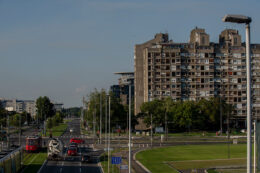
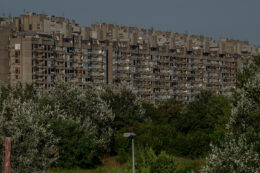
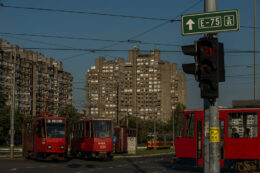
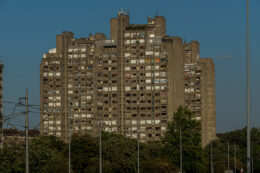
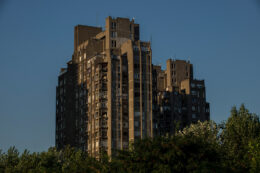
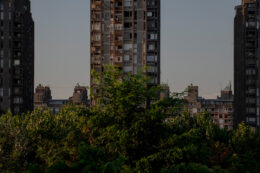
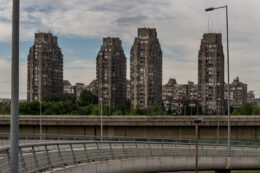
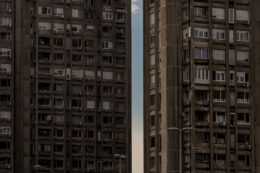
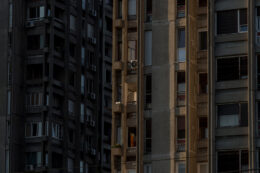
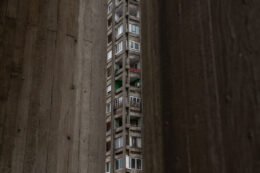
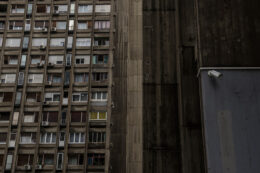
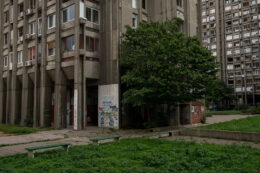
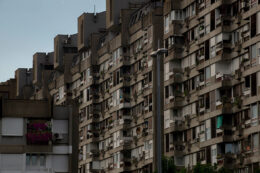
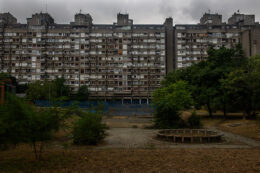
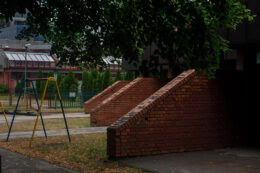
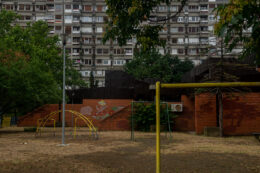
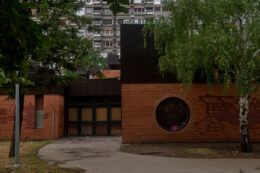
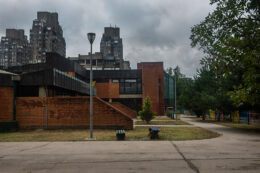
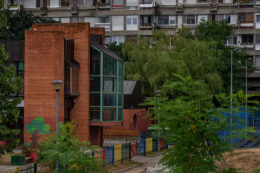
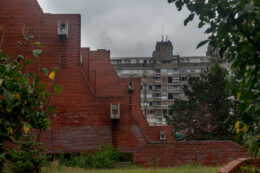
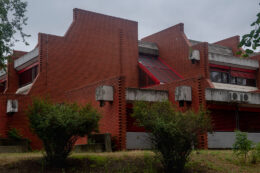
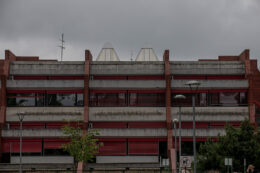
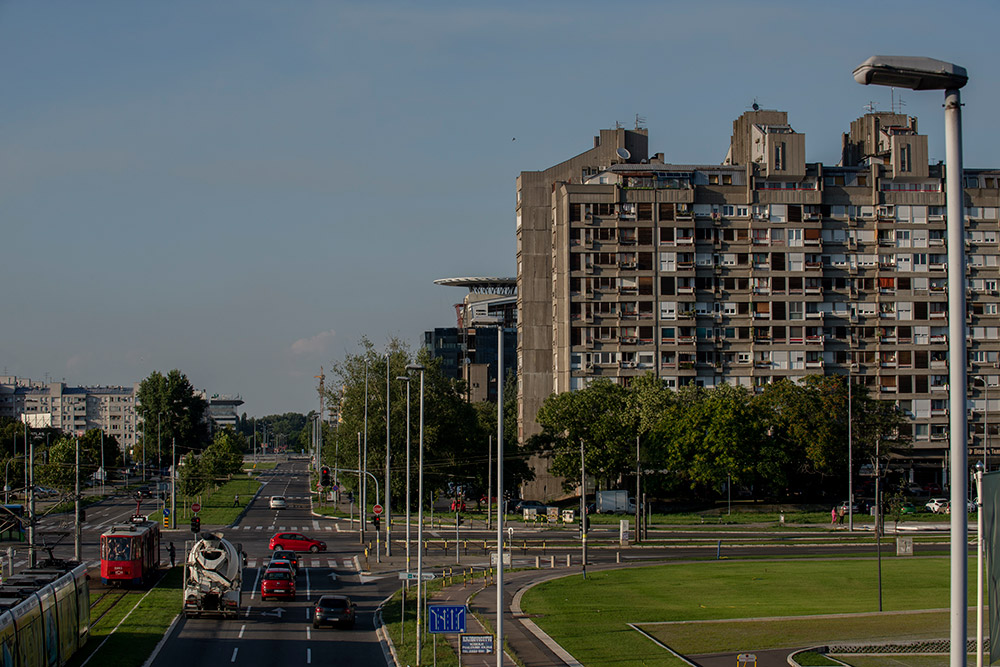
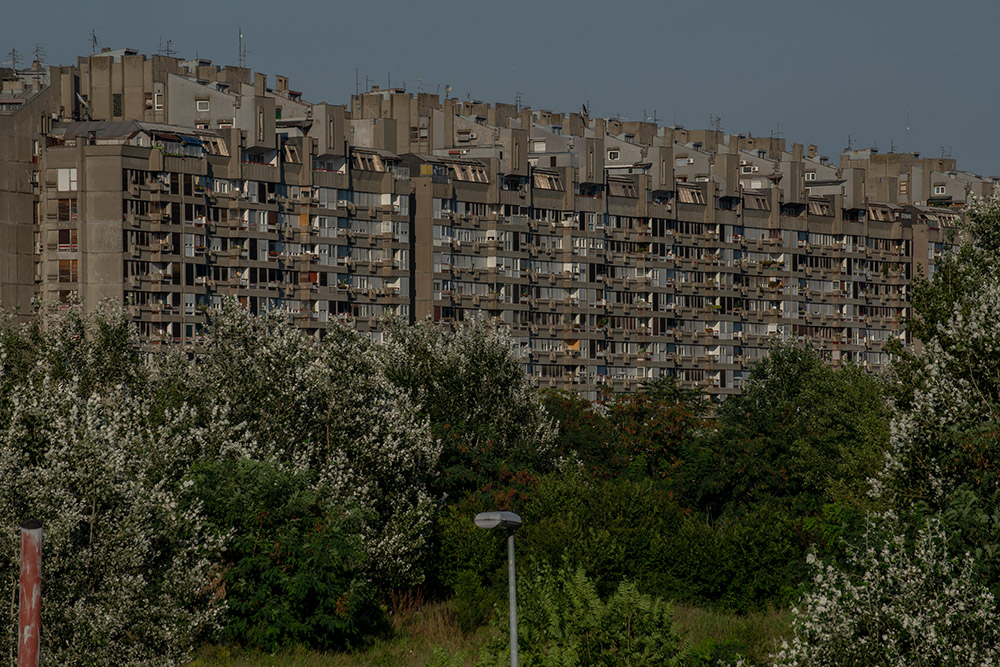
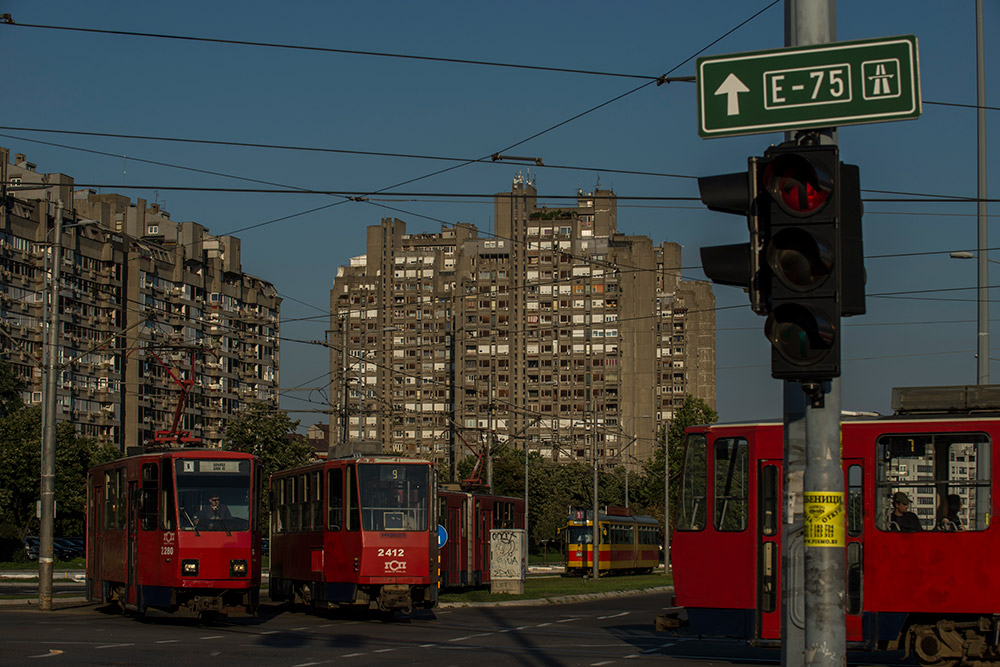
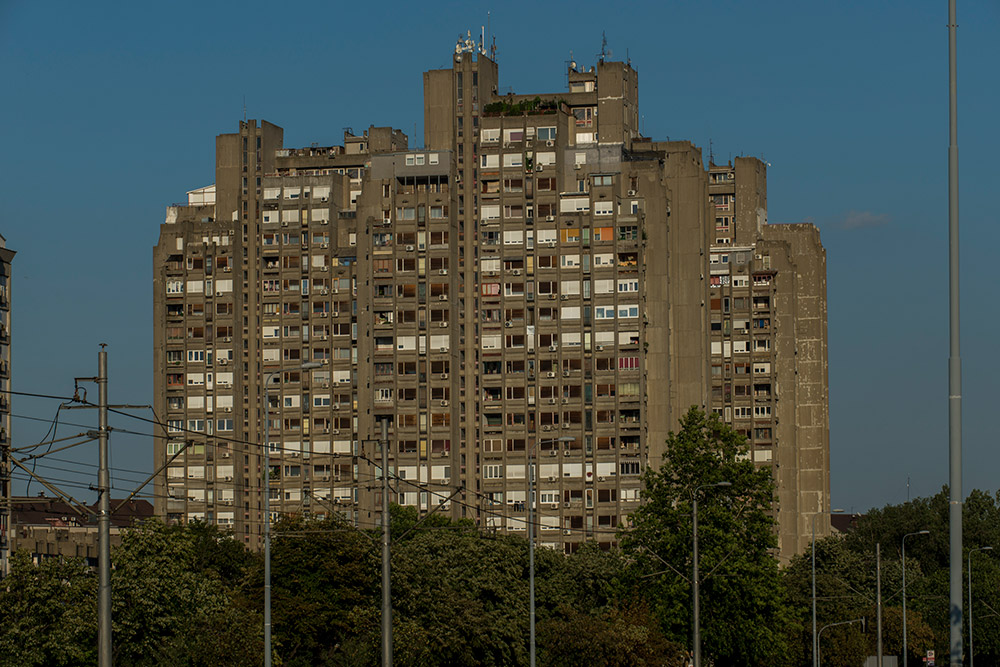
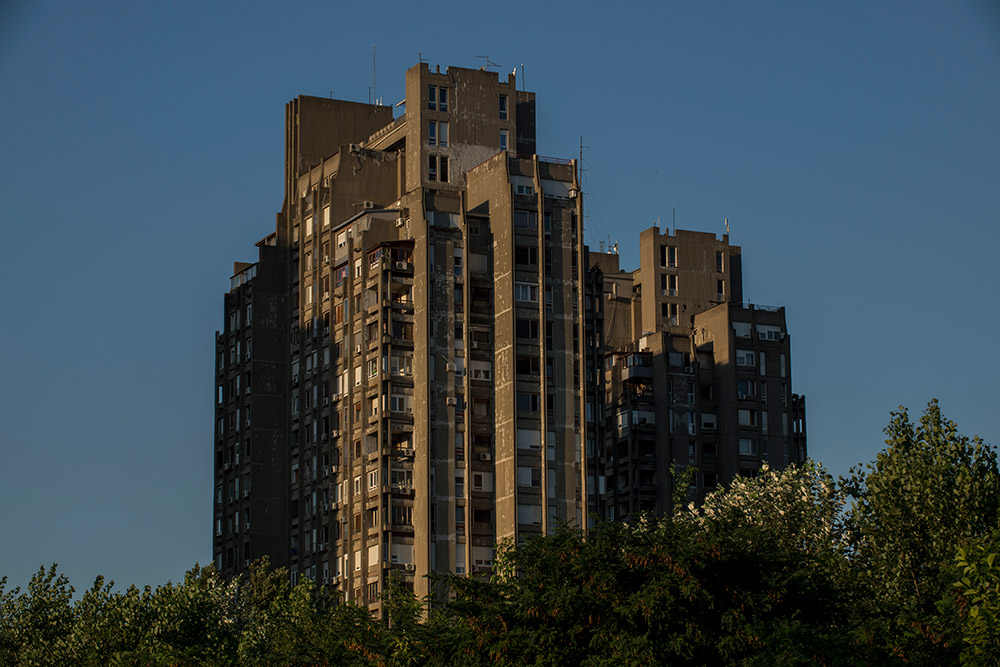
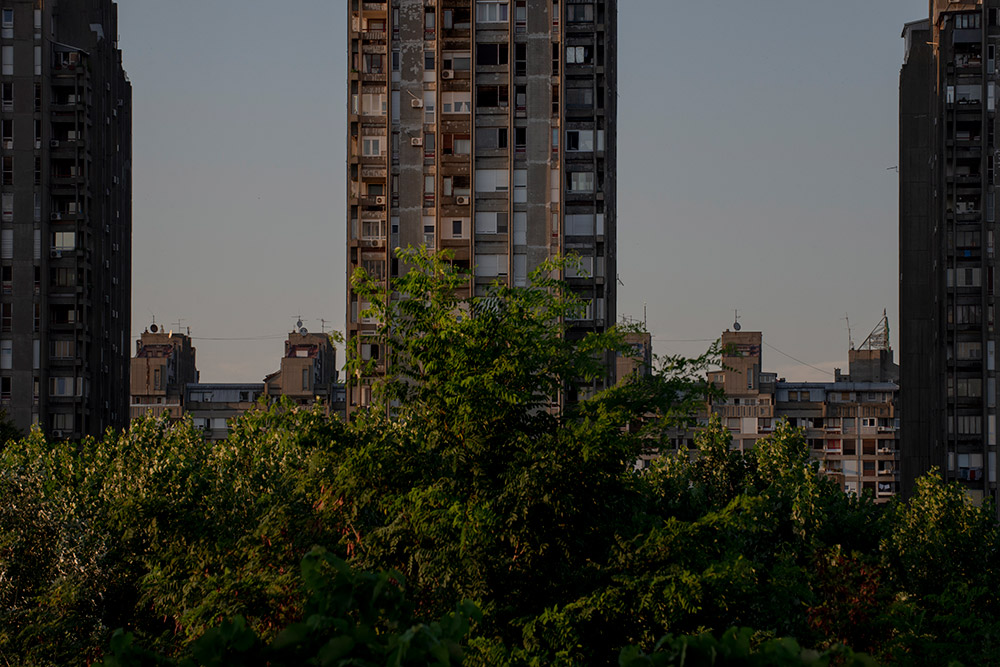
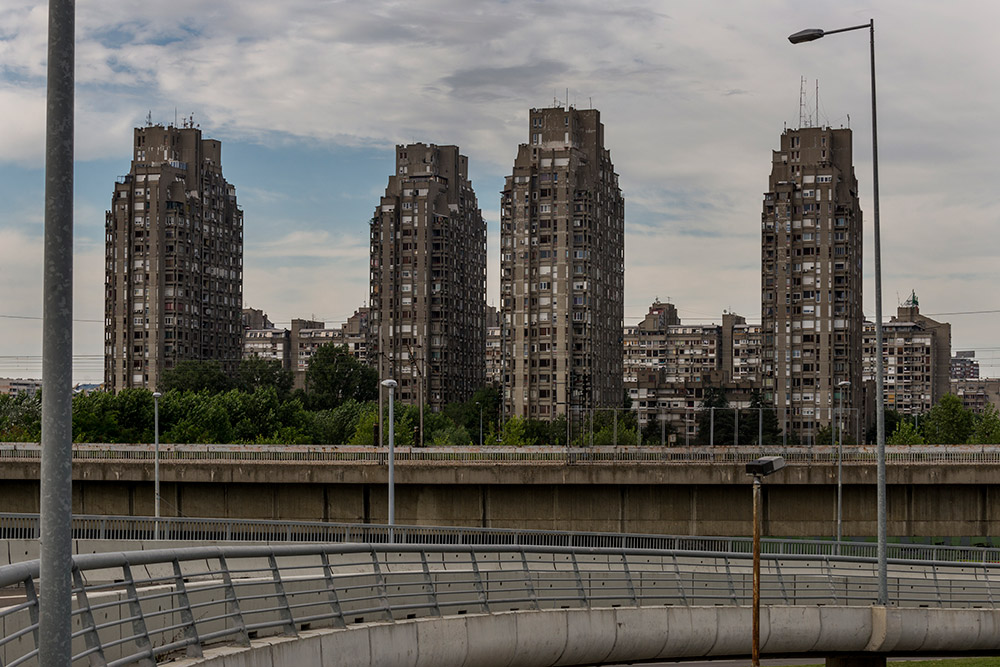
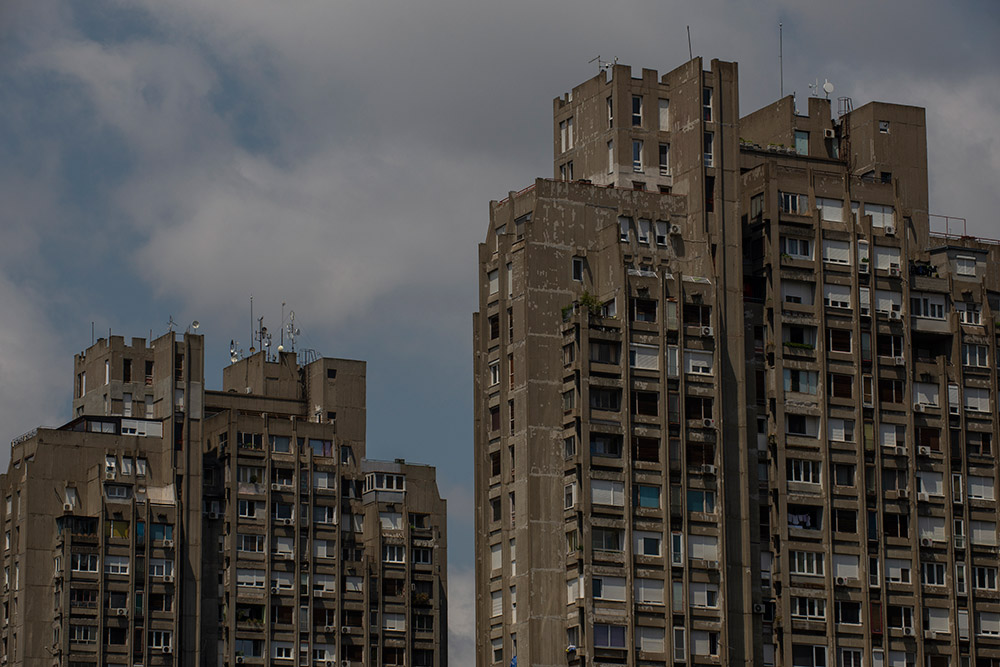
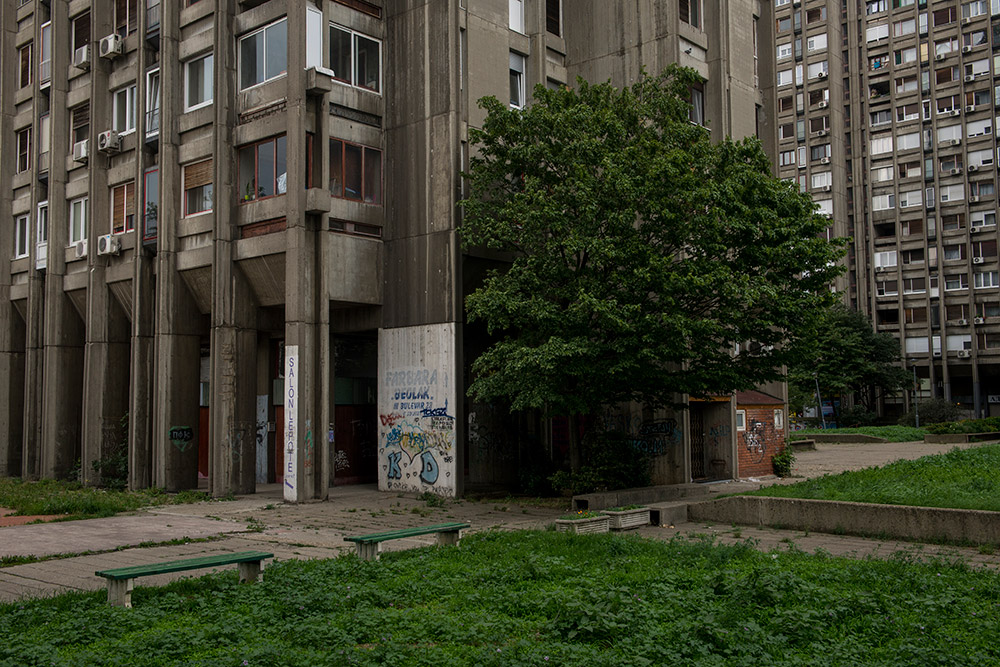
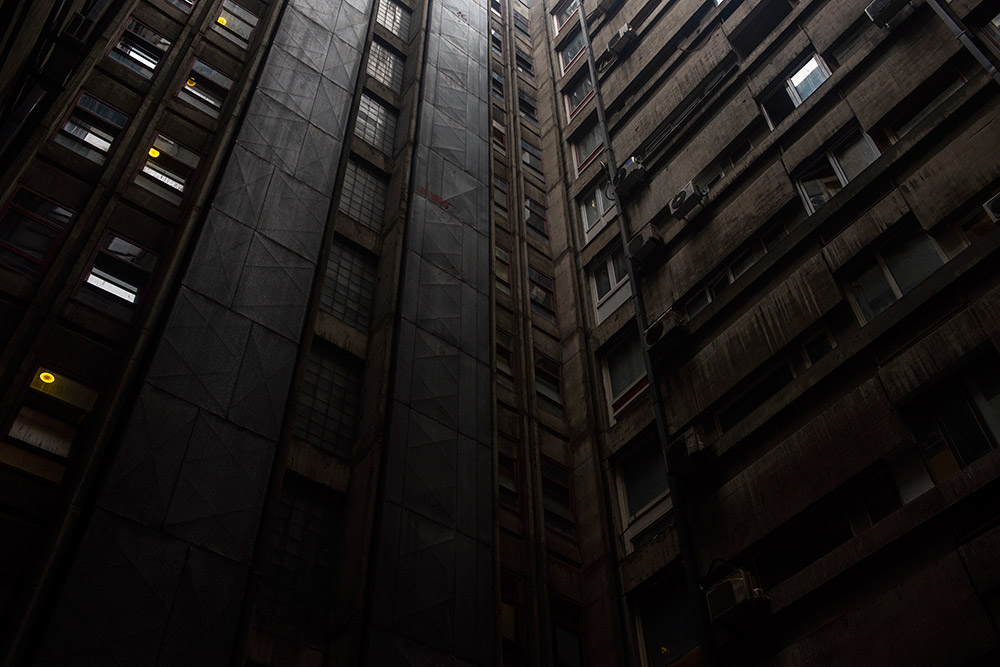
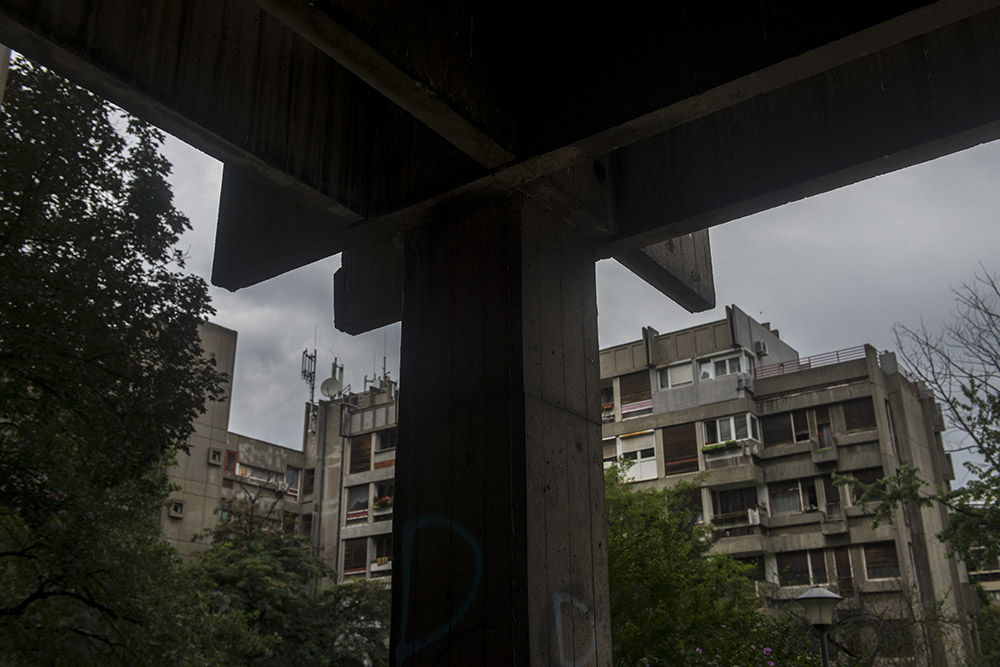
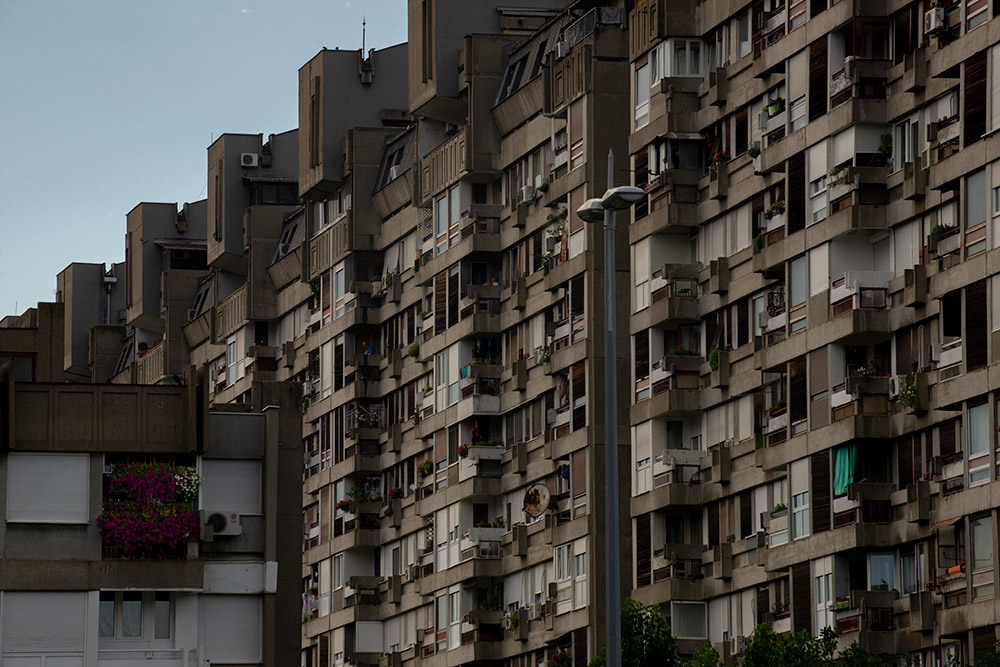
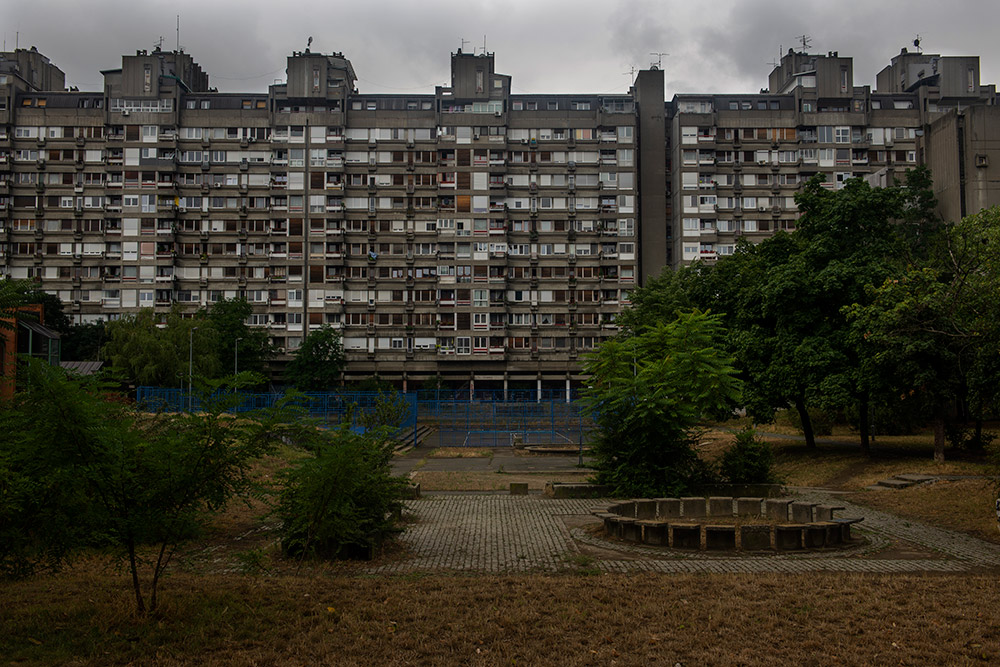
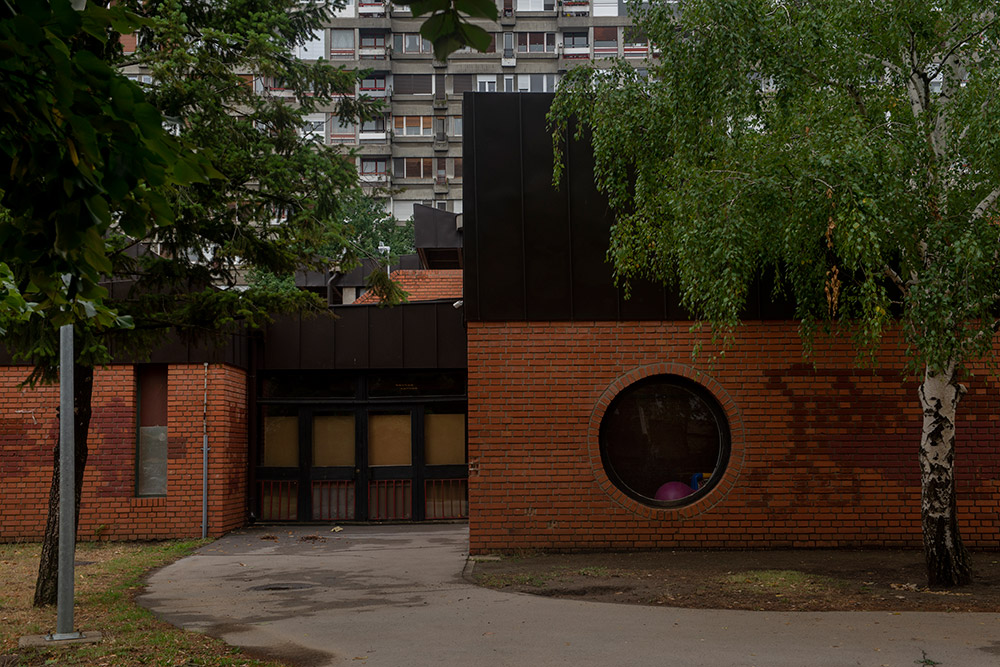
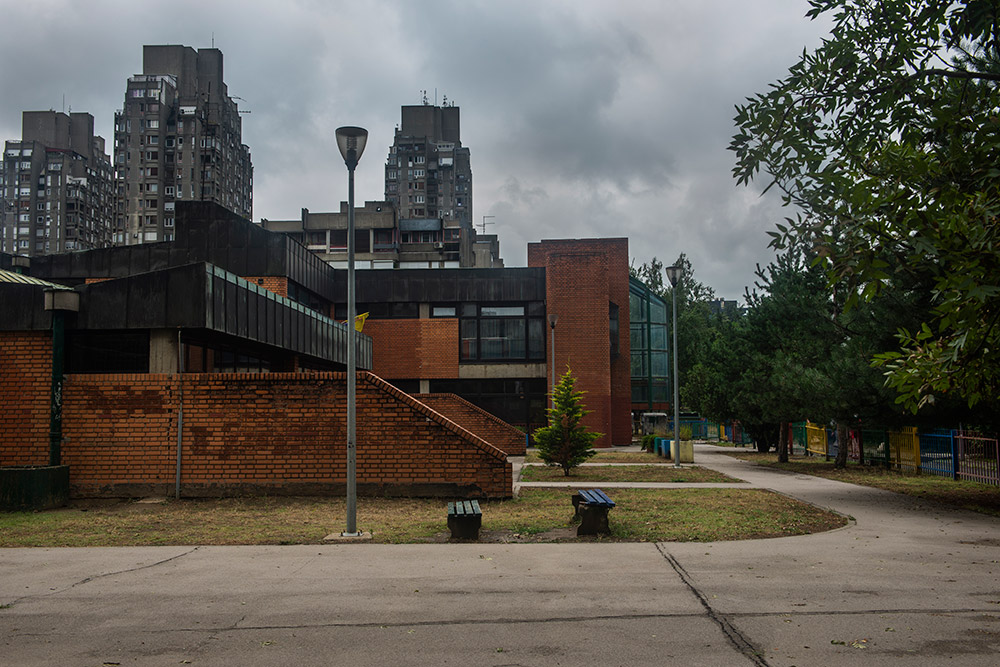
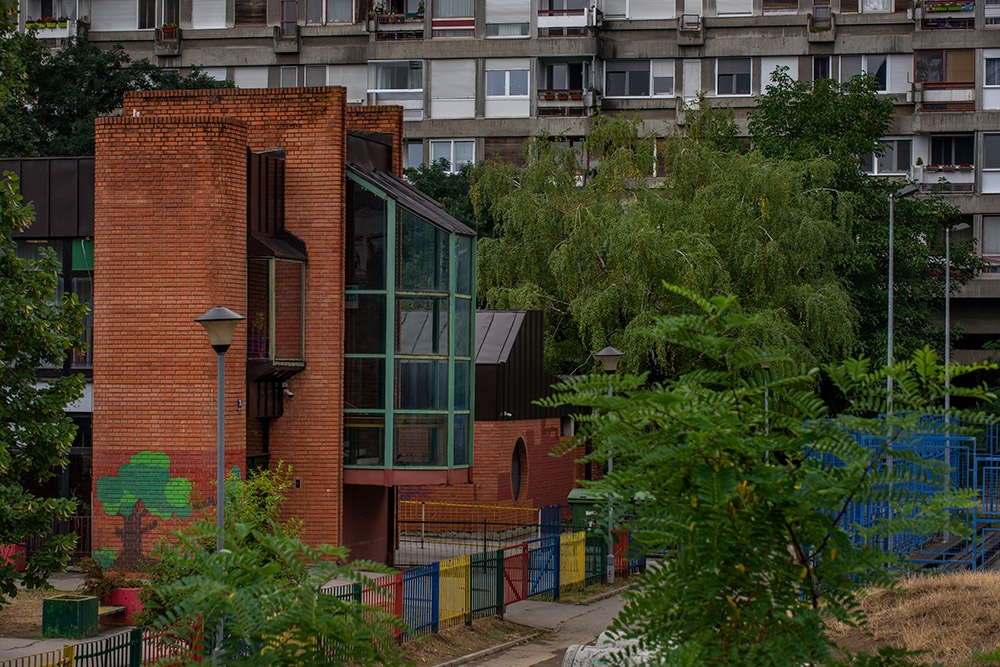
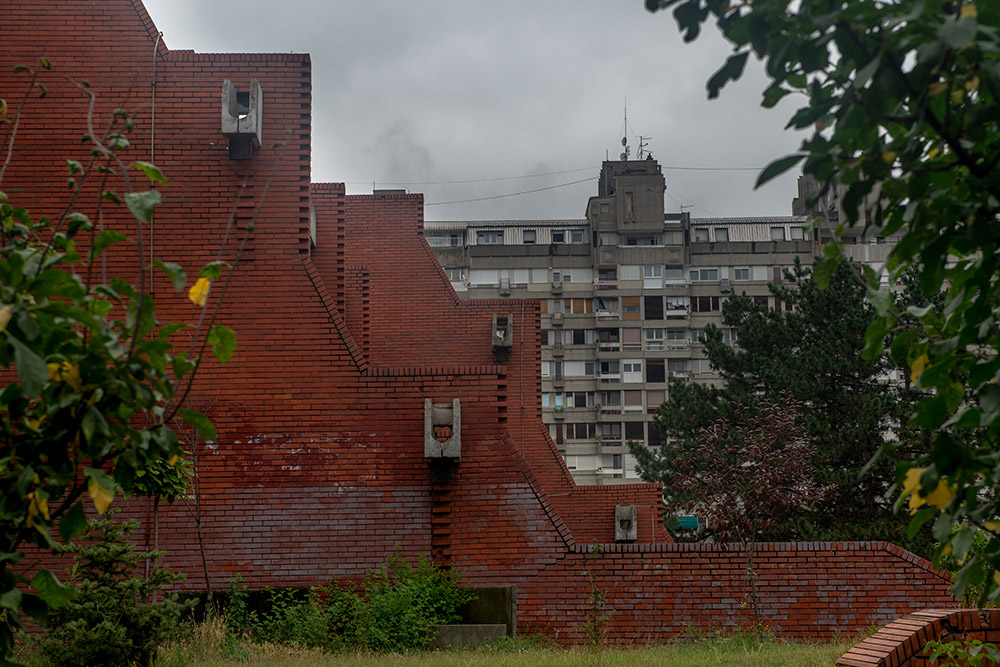
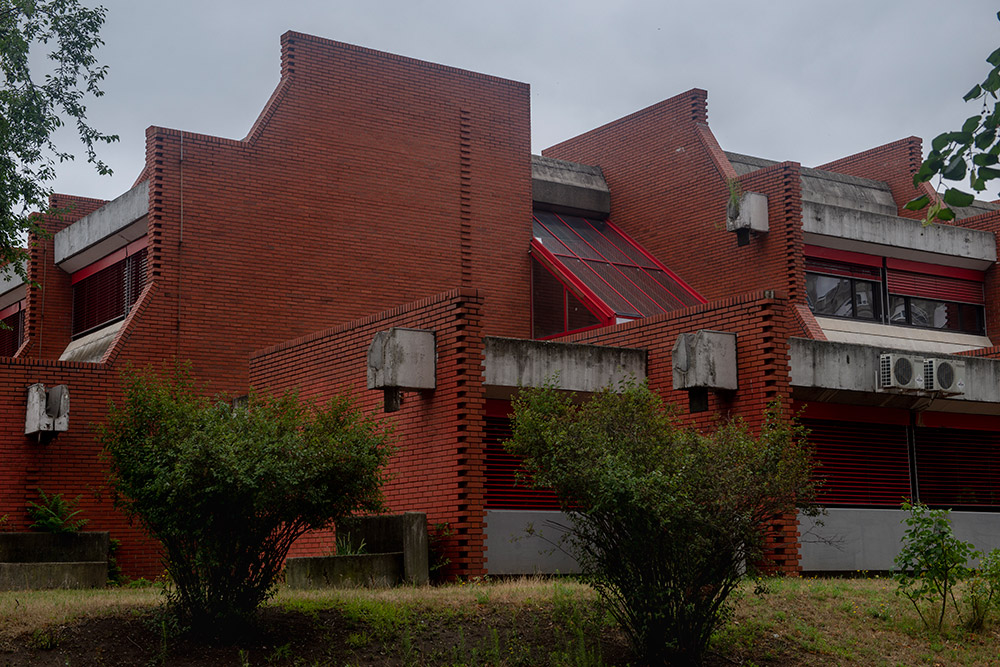
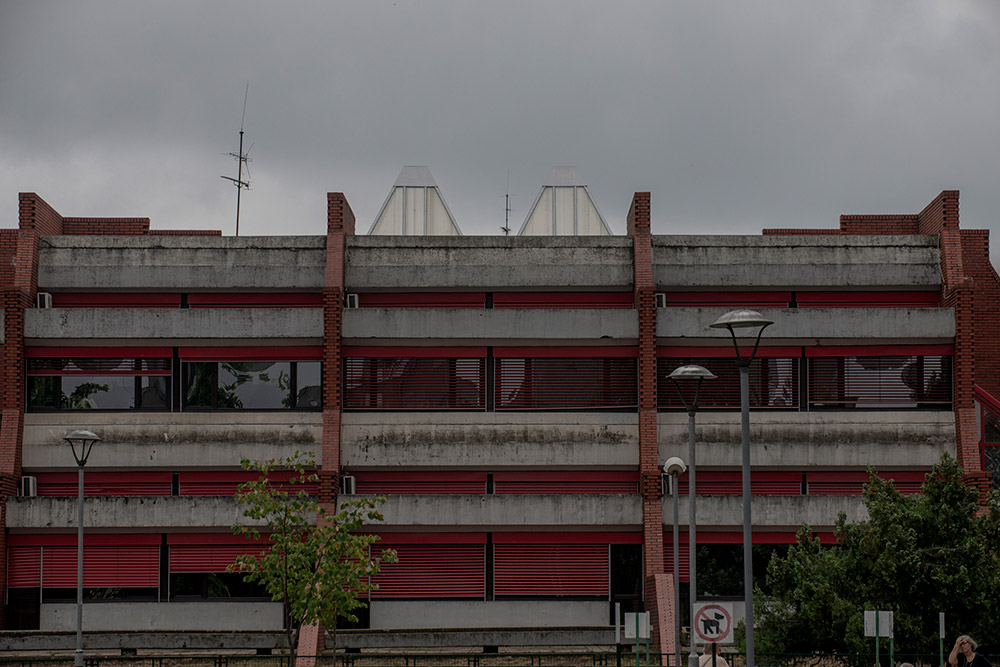
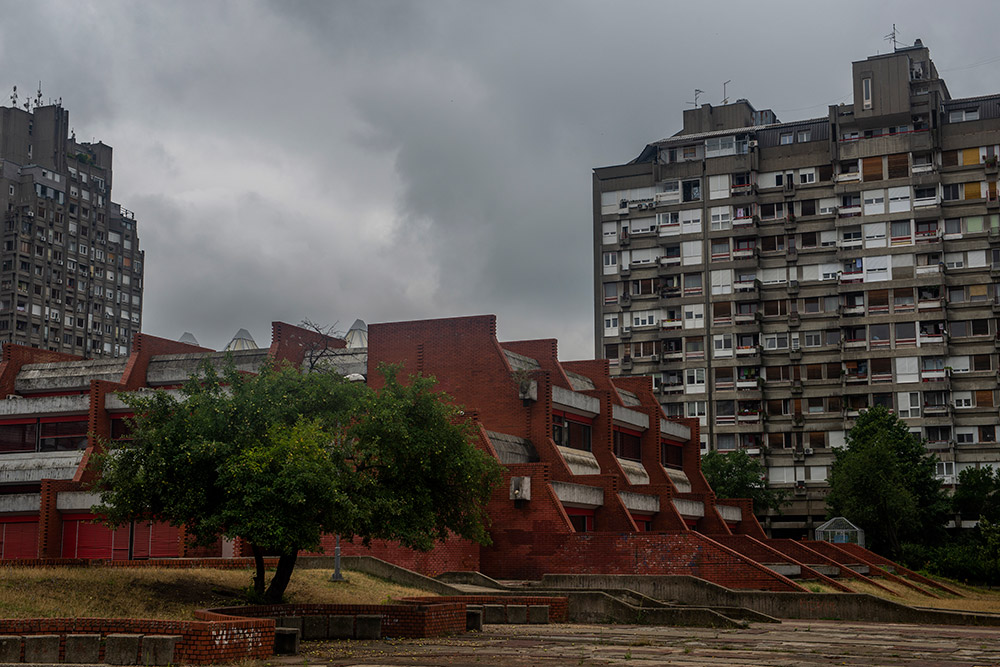
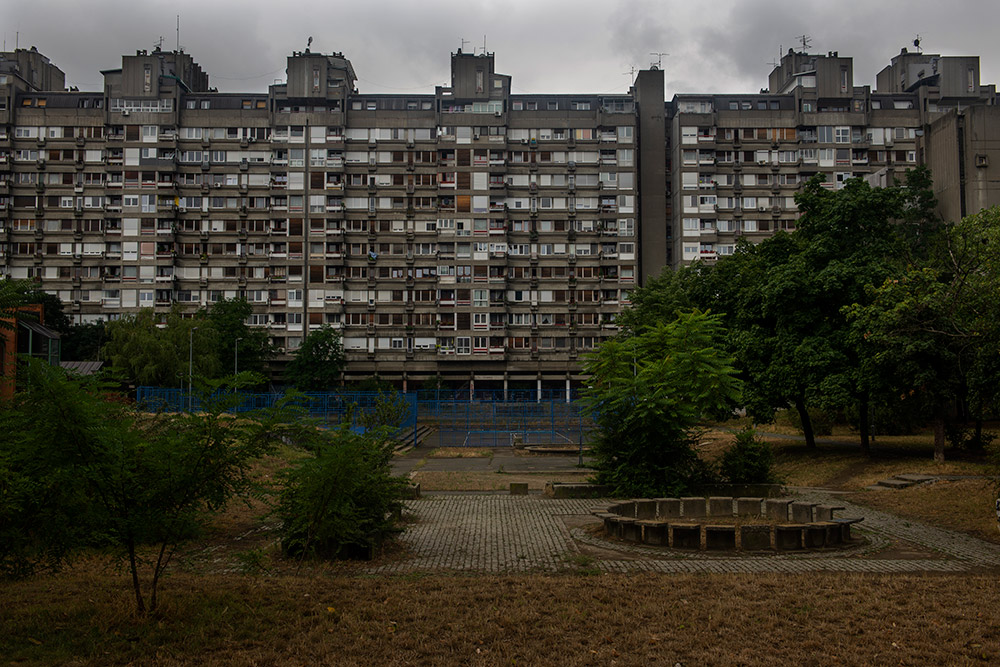
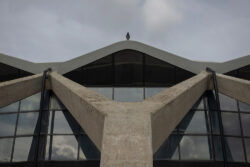
Completed in mid ‘70s as a part of immense post-war city development, Block 23 is a New Belgrade’s quarter comprised of eight hive-like residential buildings.
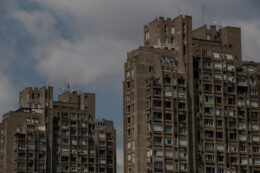
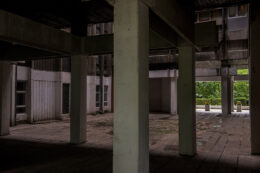
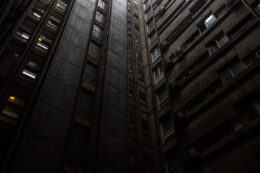
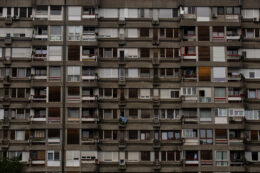
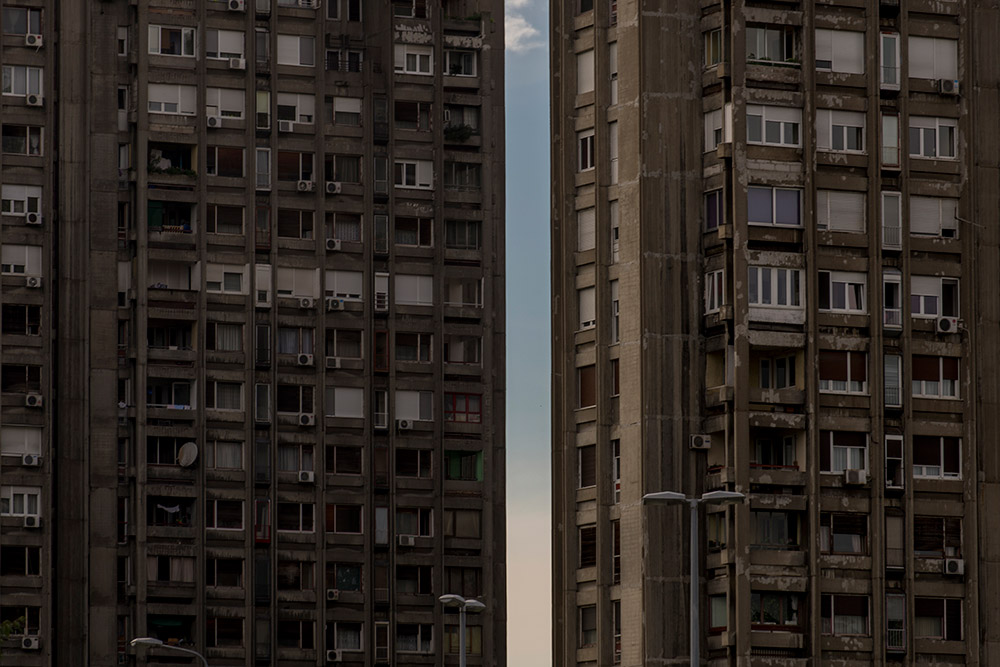
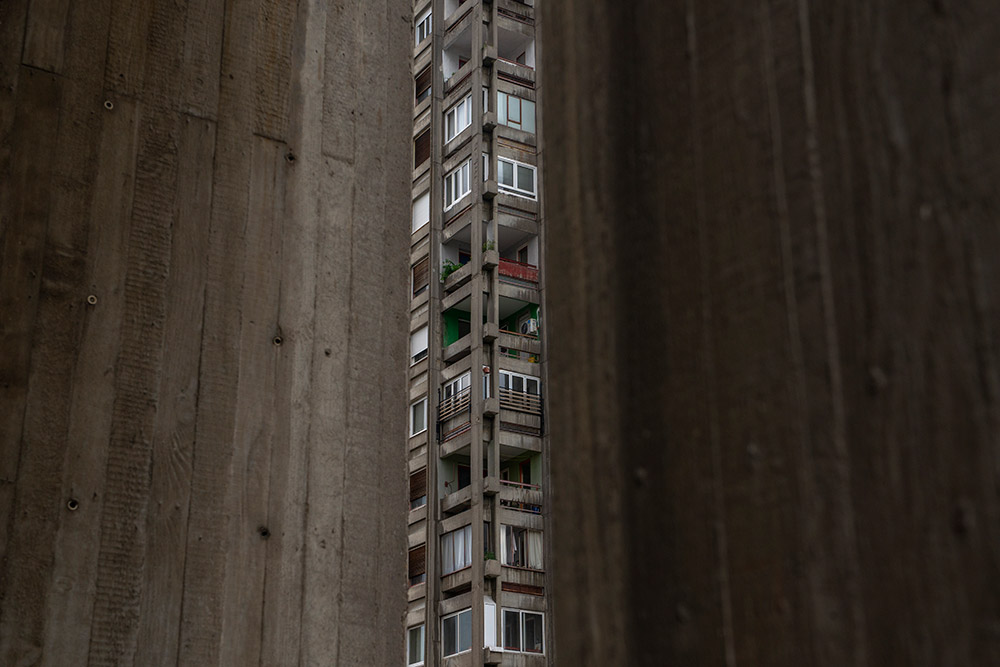
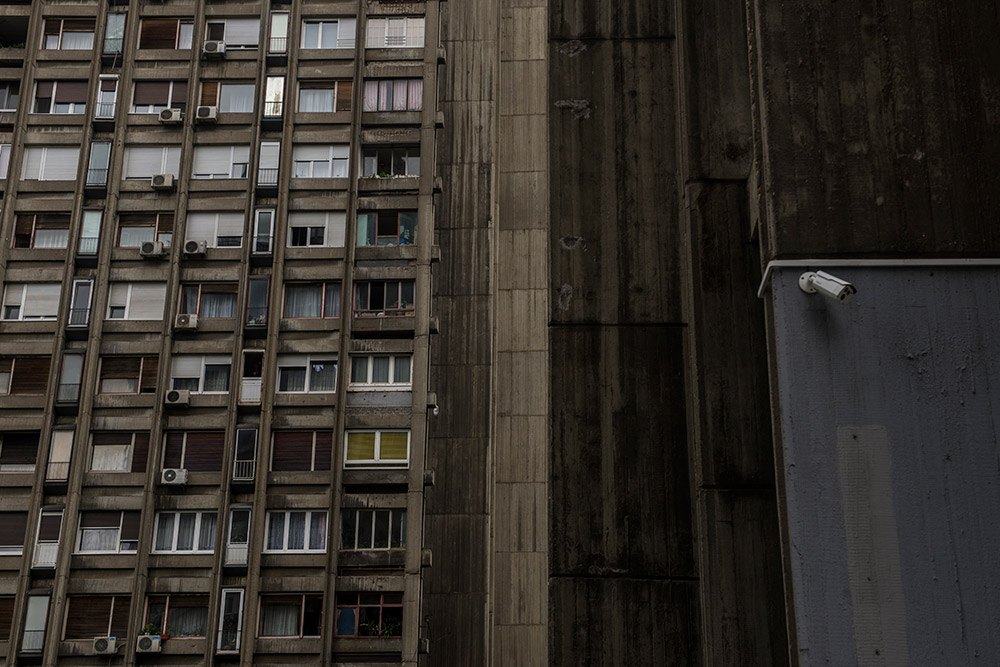
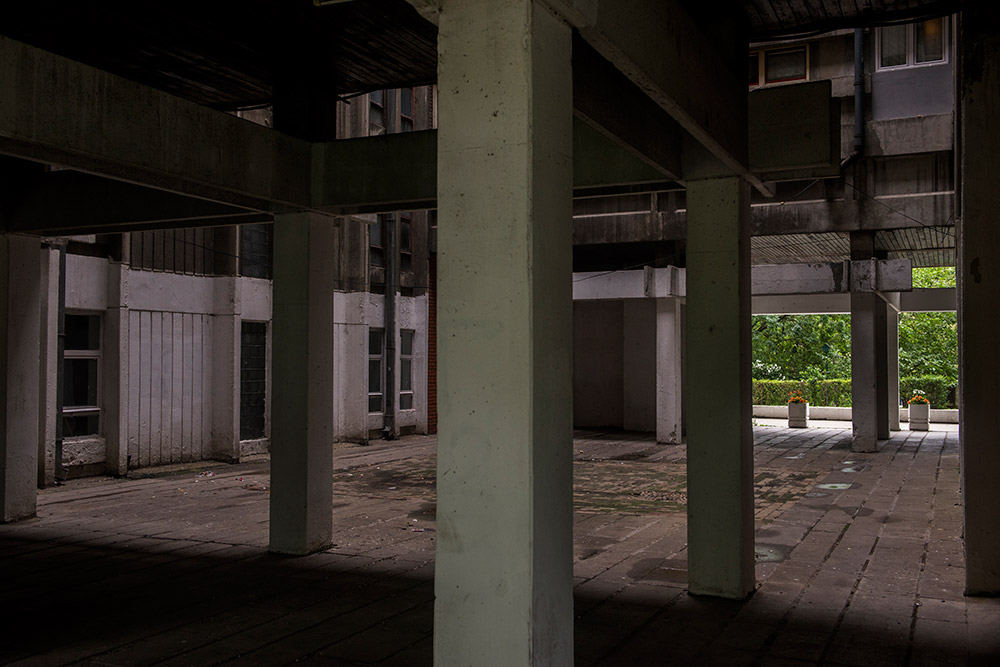
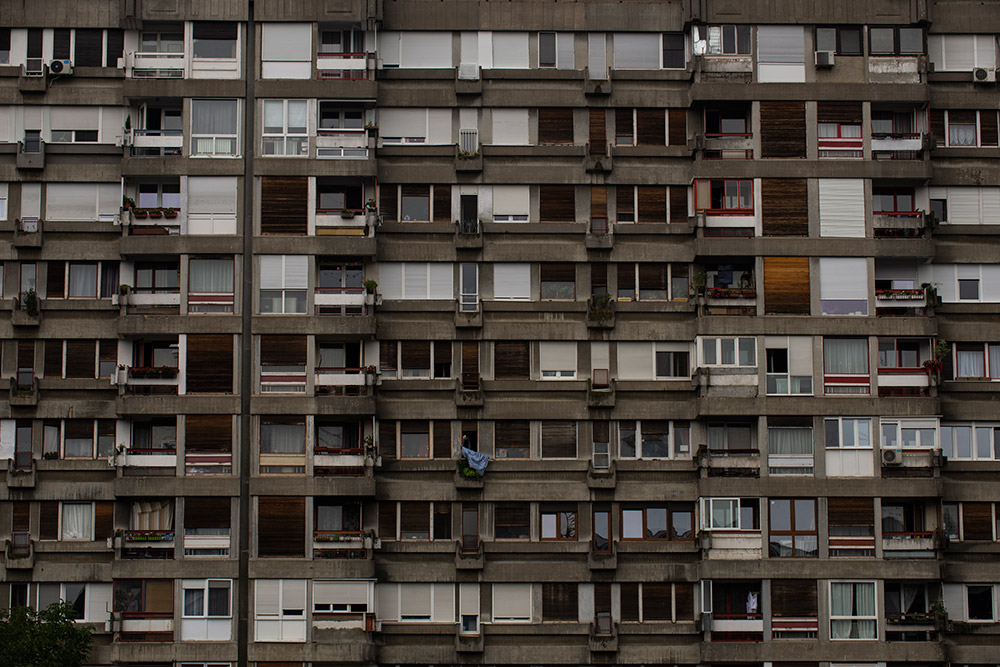
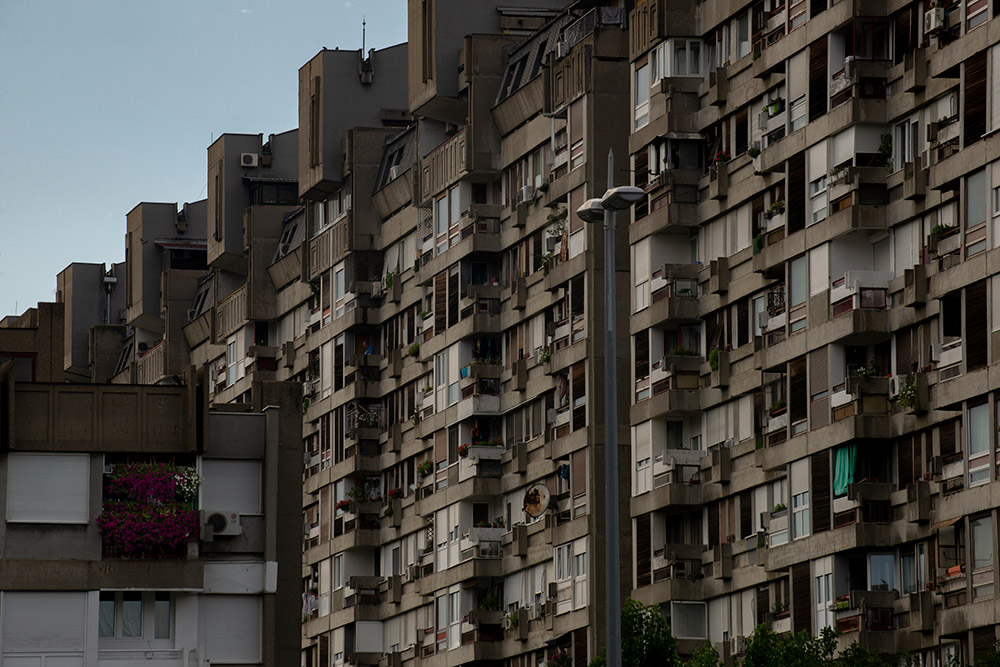
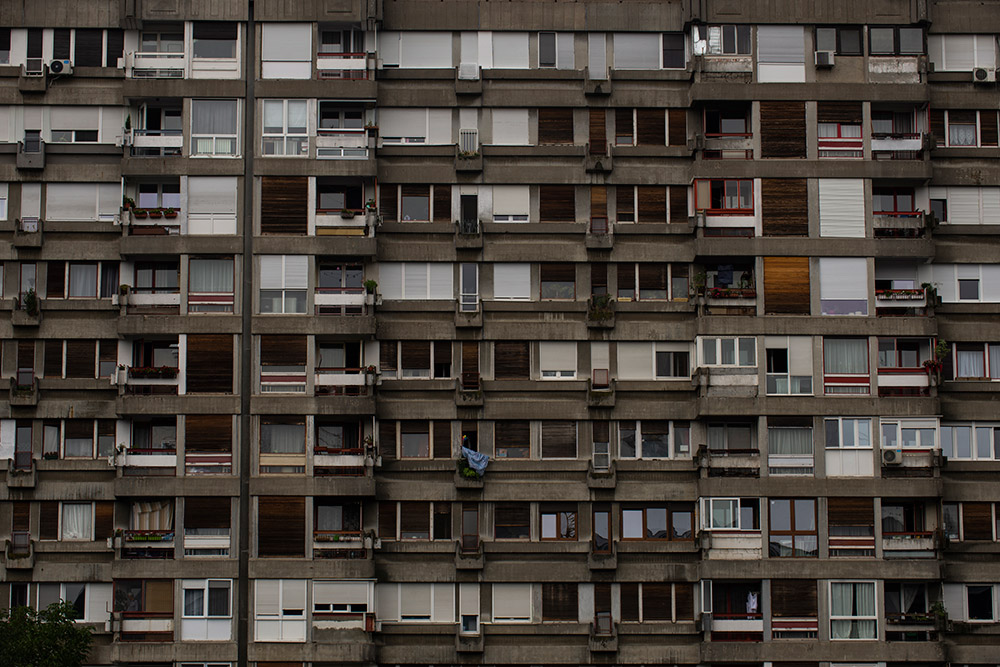
In Yugoslav competition (1968), a team that have already carried out several projects together, Božidar Janković, Branislav Karadžić and Aleksandar Stjepanović, won the first prize for urban and architectural design proposal for Block 23 (and Block 22). In professional circles, Block 23 was described as Concrete Baroque, for being visually elaborate and robust, which is evident in its façades and scale, especially in relation to surroundings.
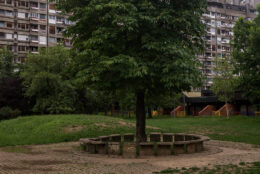
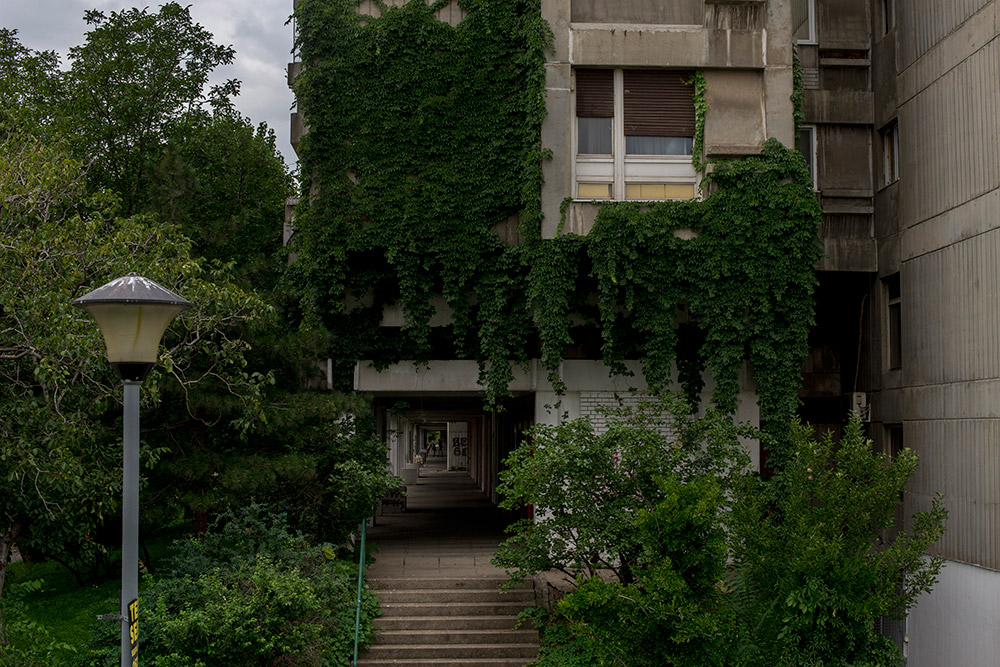
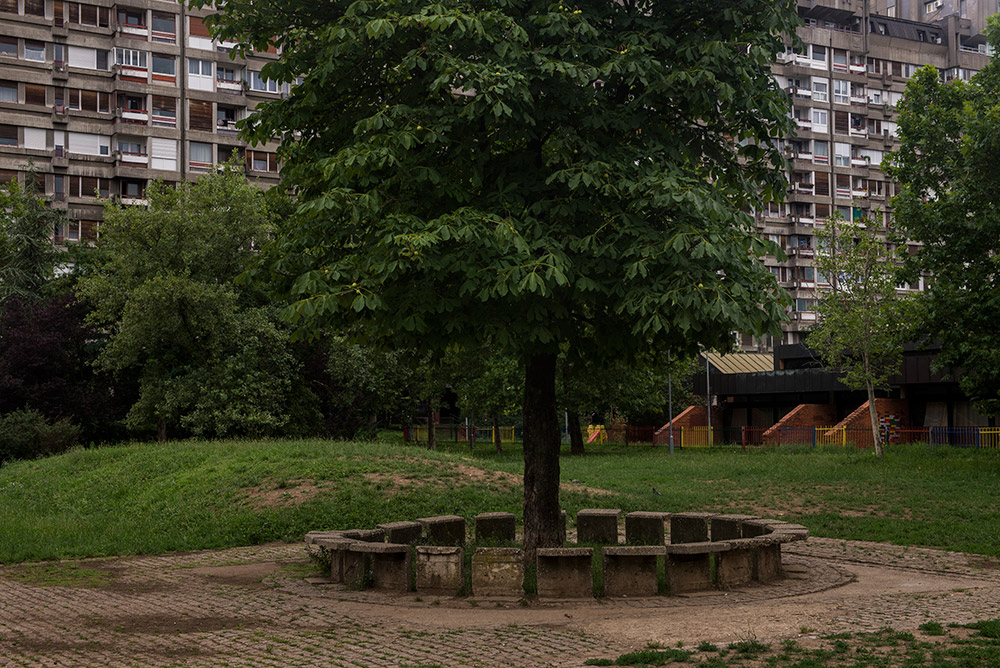
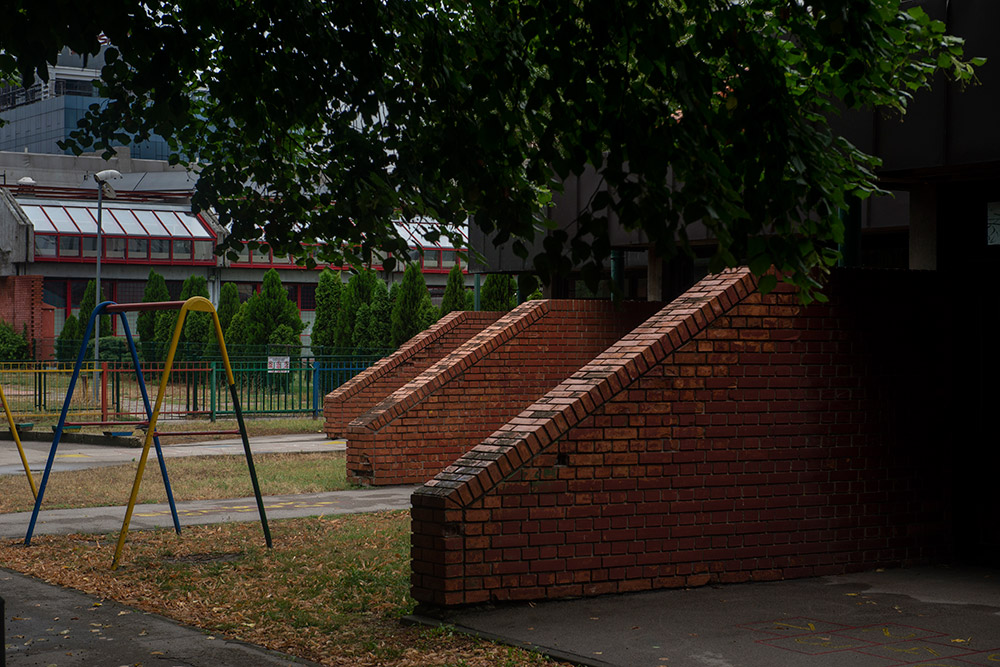
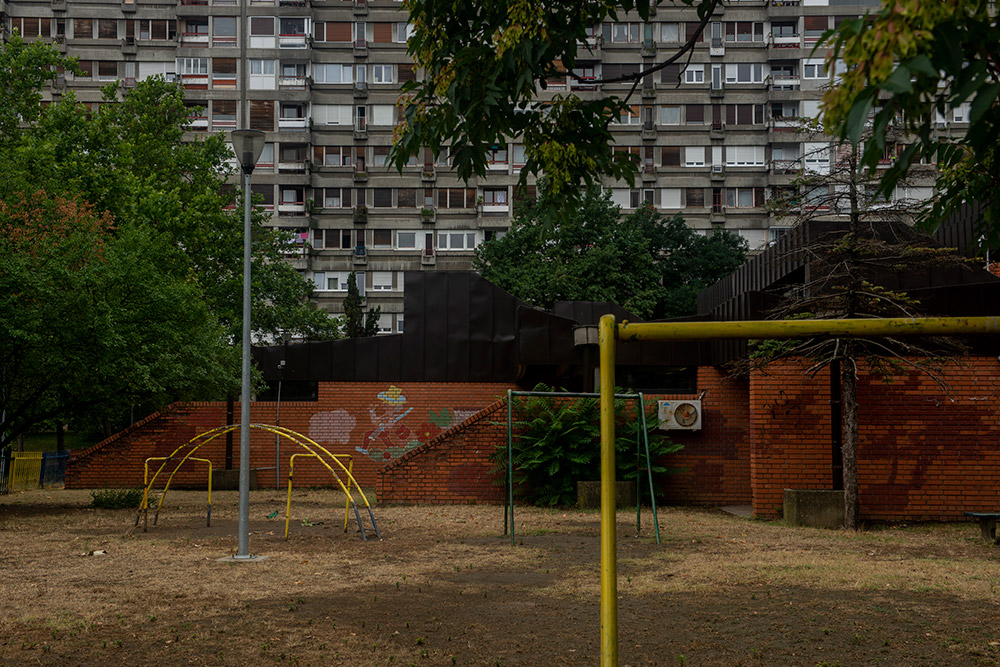
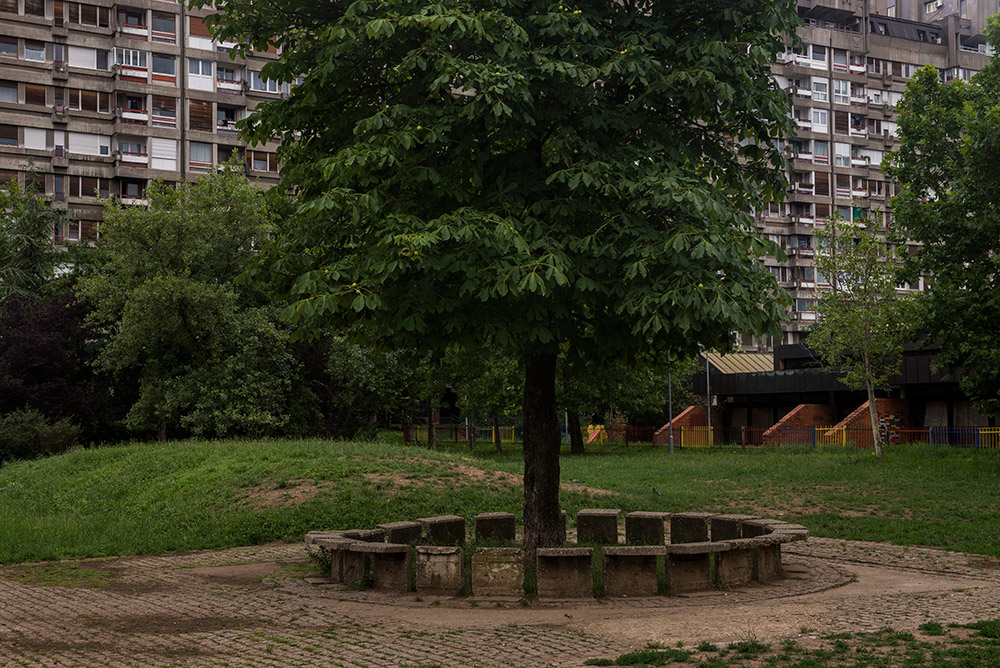
With the Yugoslav National Army (YNA) as the only investor, the construction of Block 23 started in 1969 by fitting ready-made concrete slabs into rough wholes. In following seven years, an area of 19ha was filled with eight residential buildings in total (four high-rise sections and four self-standing skyscrapers), along with two kindergartens, an elementary school and a local community center.
The main features of interior in residential units are zoning, flexibility of space (achieved with movable dividers) and circularly connected rooms They were thus considered to be representative examples of the so-called, Belgrade Residential School or Belgrade Apartments.
Until ‘90s, before private ownership was accessible, YNA owned the apartments and they were intended for military personnel use, who had the primary right of residence. Every tenant was presented with a 15 pages house rules booklet, which contained instructions on how to look after the flat and its surroundings. If the rules were not followed, the auditors had the power to evict the residents.
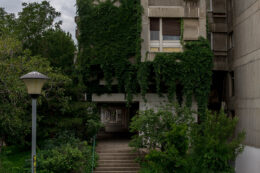
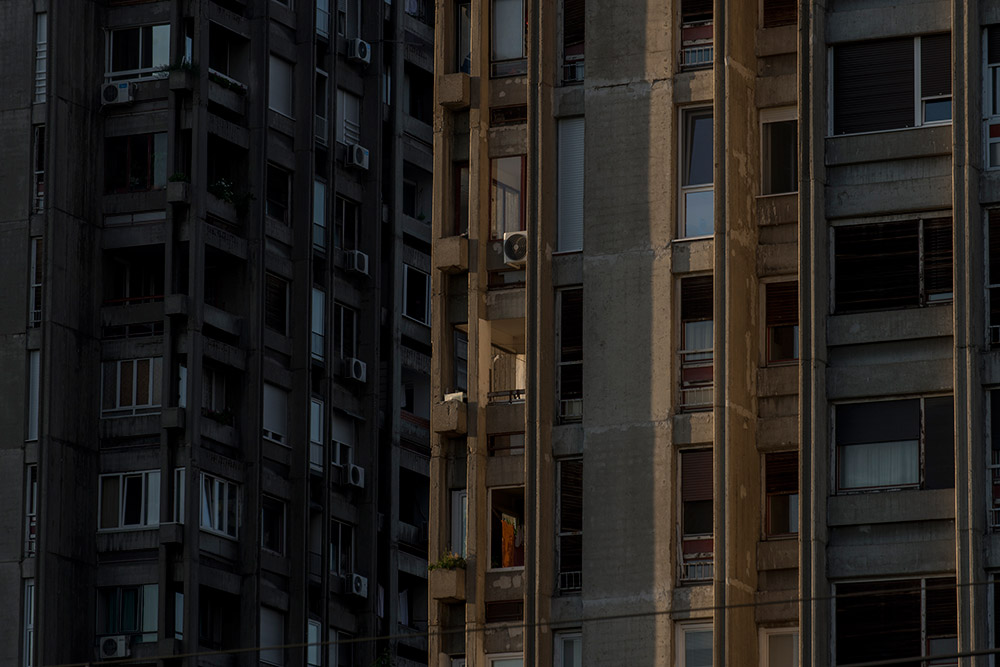
Today, with privately owned flats, the whole block is in a poor condition which is a consequence of negligence as well as many arbitrary interventions on construction elements. Even though it is a protected, historical and cultural area of New Belgrade, it is not uncommon to see the residents intervene in- and outside of their flats, violating architecture (e.g. painting the balcony or turning it into a conservatory and/or extending the livable space by adding extra walls or floors wherever possible). Despite all of that, this residential block has still been widely recognized as the pearl of Yugoslav brutalist architecture.
to explore related posts – continue scrolling
to navigate through posts – use arrows
Block 23 New Belgrade
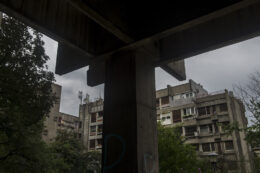
Completed in mid ‘70s as a part of immense post-war city development, Block 23 is a New Belgrade’s quarter comprised of eight hive-like residential buildings.
In Yugoslav competition (1968), a team that have already carried out several projects together, Božidar Janković, Branislav Karadžić and Aleksandar Stjepanović, won the first prize for urban and architectural design proposal for Block 23 (and Block 22). In professional circles, Block 23 was described as Concrete Baroque, for being visually elaborate and robust, which is evident in its façades and scale, especially in relation to surroundings.
With the Yugoslav National Army (YNA) as the only investor, the construction of Block 23 started in 1969 by fitting ready-made concrete slabs into rough wholes. In following seven years, an area of 19ha was filled with eight residential buildings in total (four high-rise sections and four self-standing skyscrapers), along with two kindergartens, an elementary school and a local community center.
The main features of interior in residential units are zoning, flexibility of space (achieved with movable dividers) and circularly connected rooms They were thus considered to be representative examples of the so-called, Belgrade Residential School or Belgrade Apartments.
Until ‘90s, before private ownership was accessible, YNA owned the apartments and they were intended for military personnel use, who had the primary right of residence. Every tenant was presented with a 15 pages house rules booklet, which contained instructions on how to look after the flat and its surroundings. If the rules were not followed, the auditors had the power to evict the residents.
Today, with privately owned flats, the whole block is in a poor condition which is a consequence of negligence as well as many arbitrary interventions on construction elements. Even though it is a protected, historical and cultural area of New Belgrade, it is not uncommon to see the residents intervene in- and outside of their flats, violating architecture (e.g. painting the balcony or turning it into a conservatory and/or extending the livable space by adding extra walls or floors wherever possible). Despite all of that, this residential block has still been widely recognized as the pearl of Yugoslav brutalist architecture.