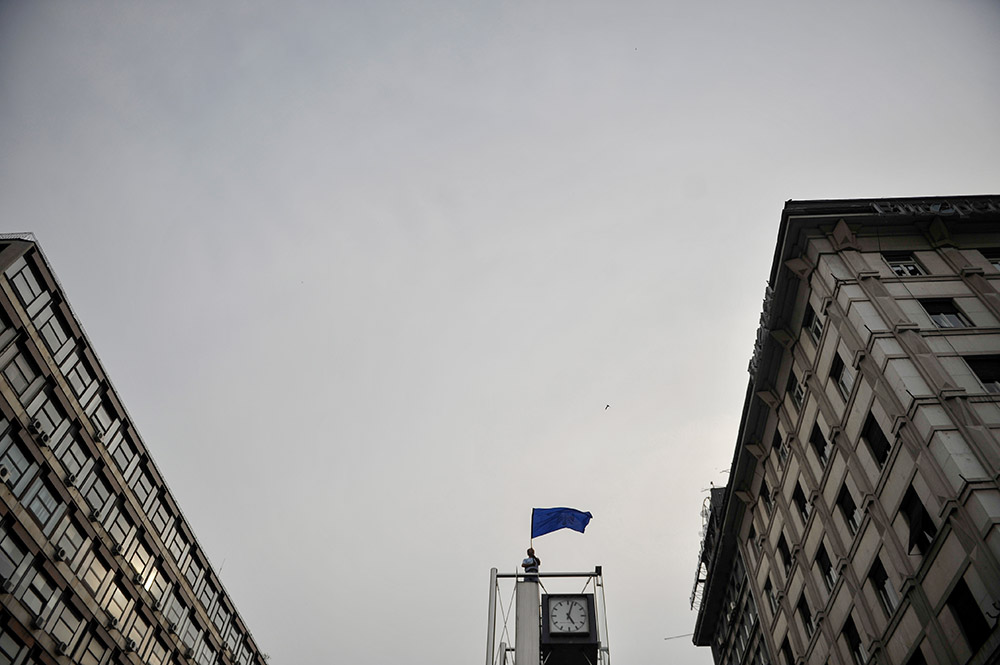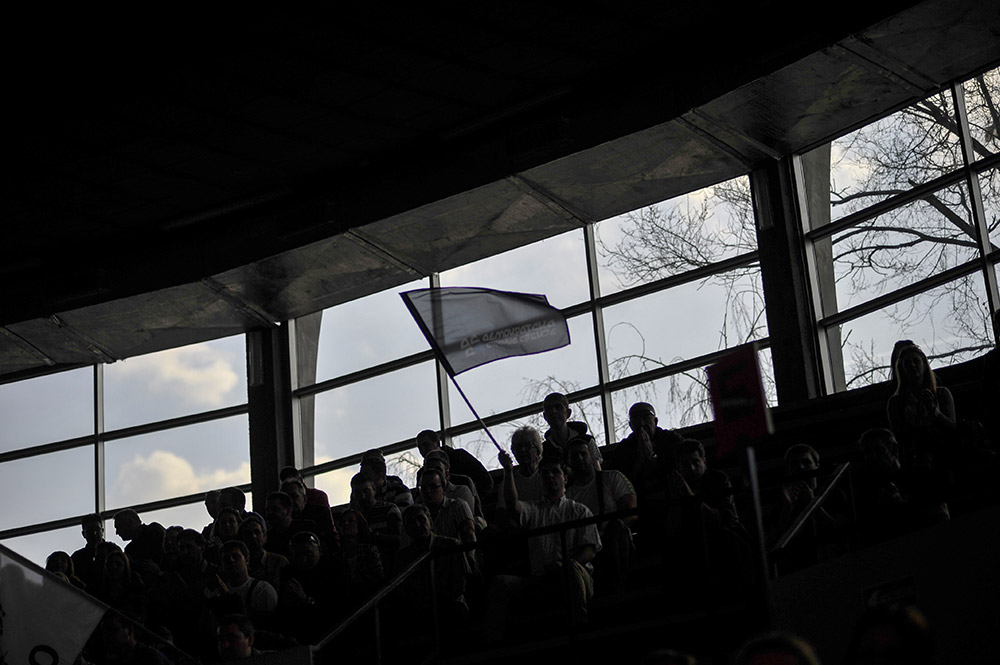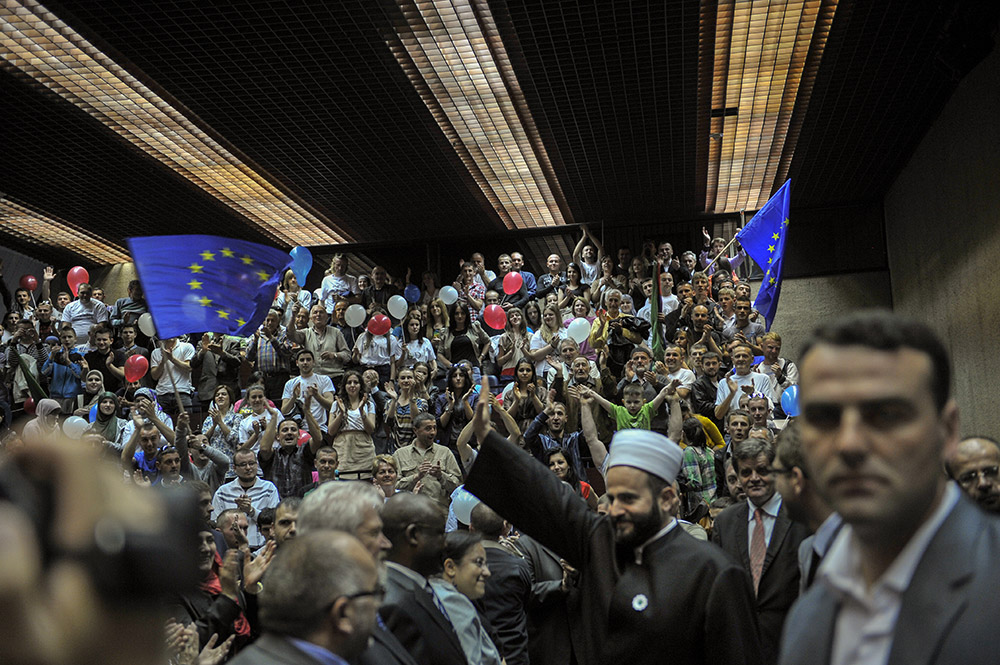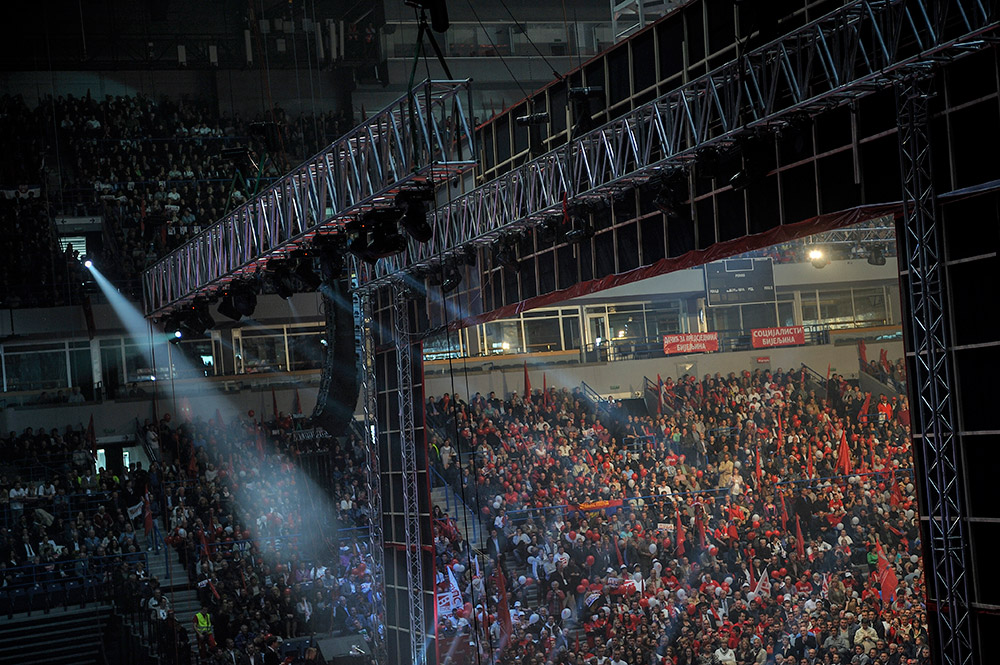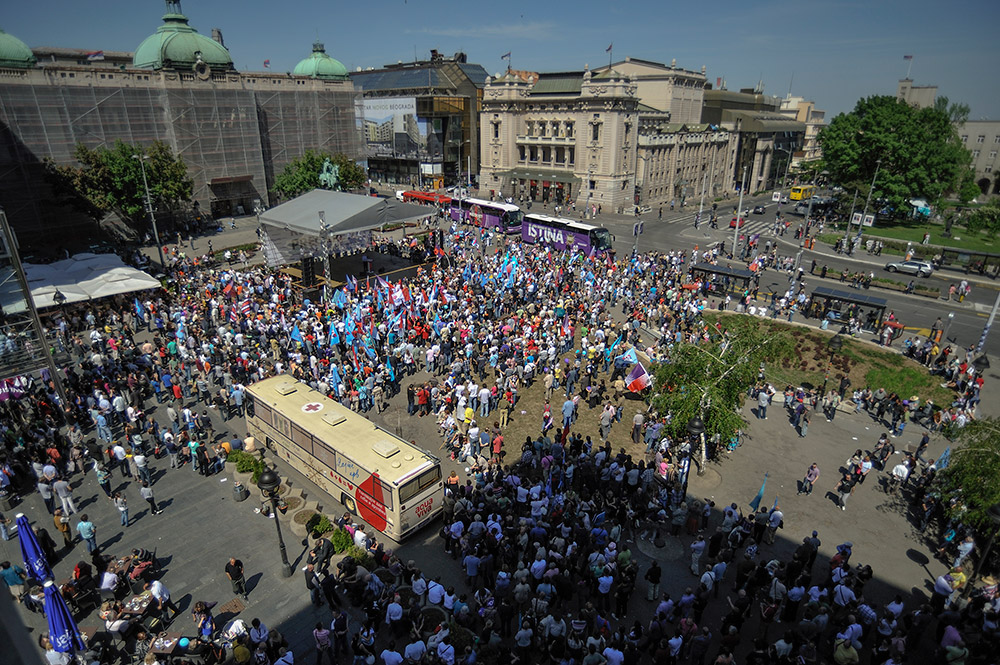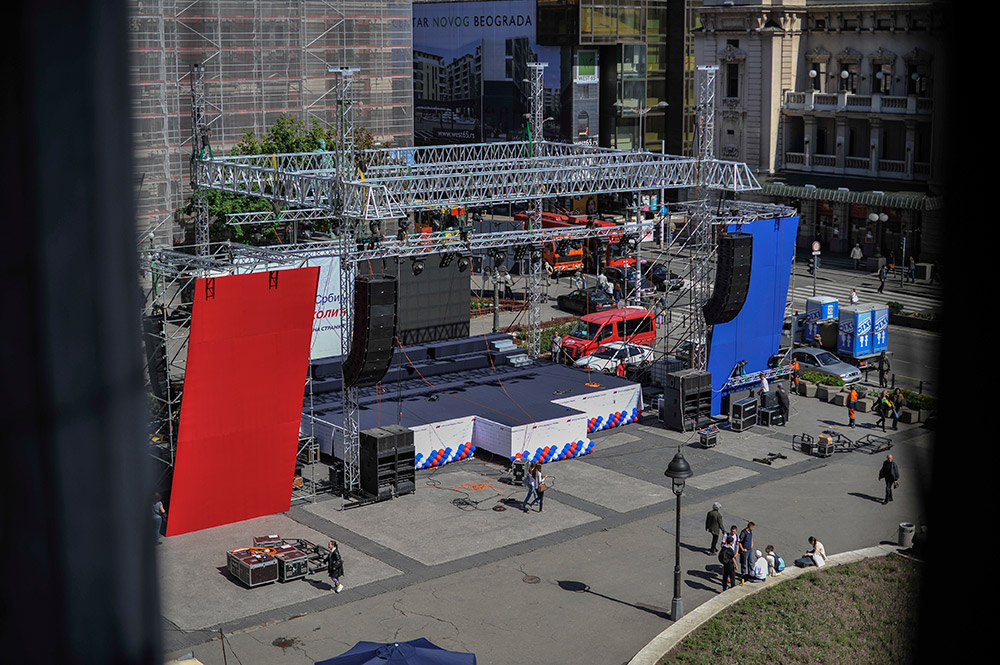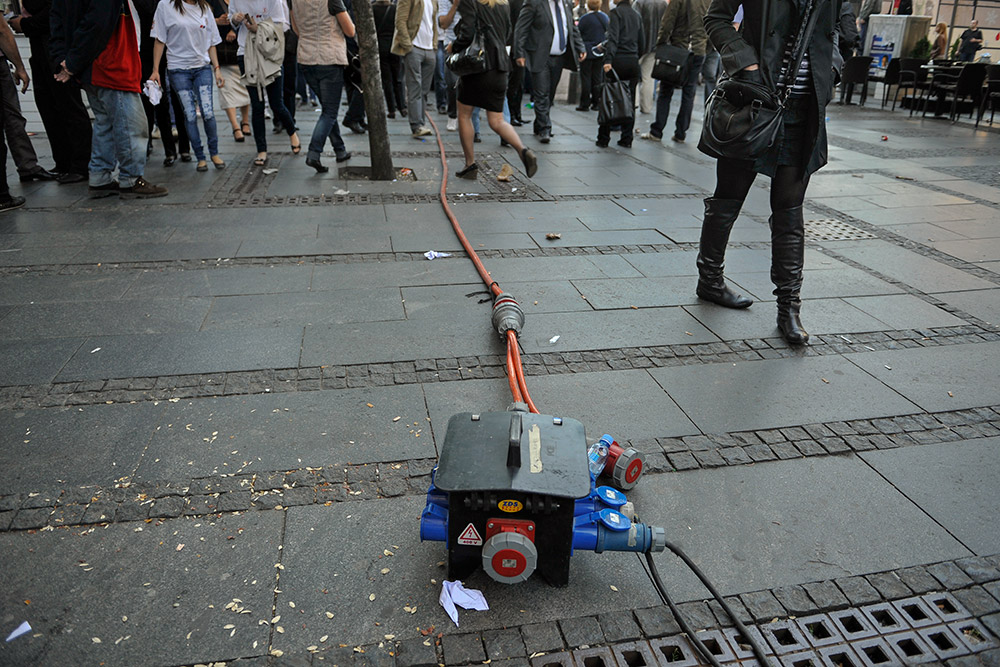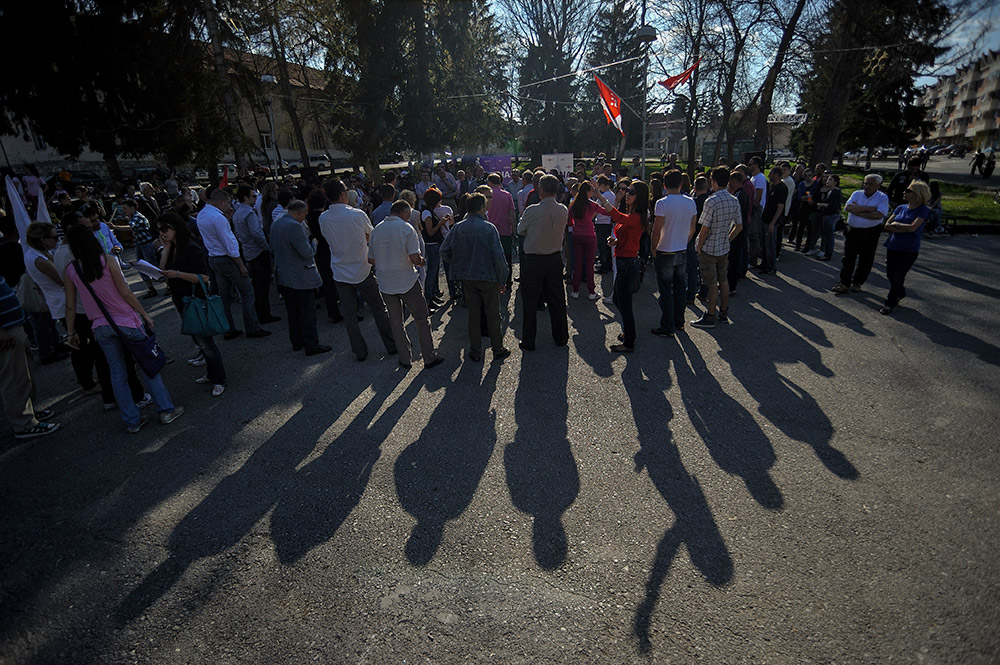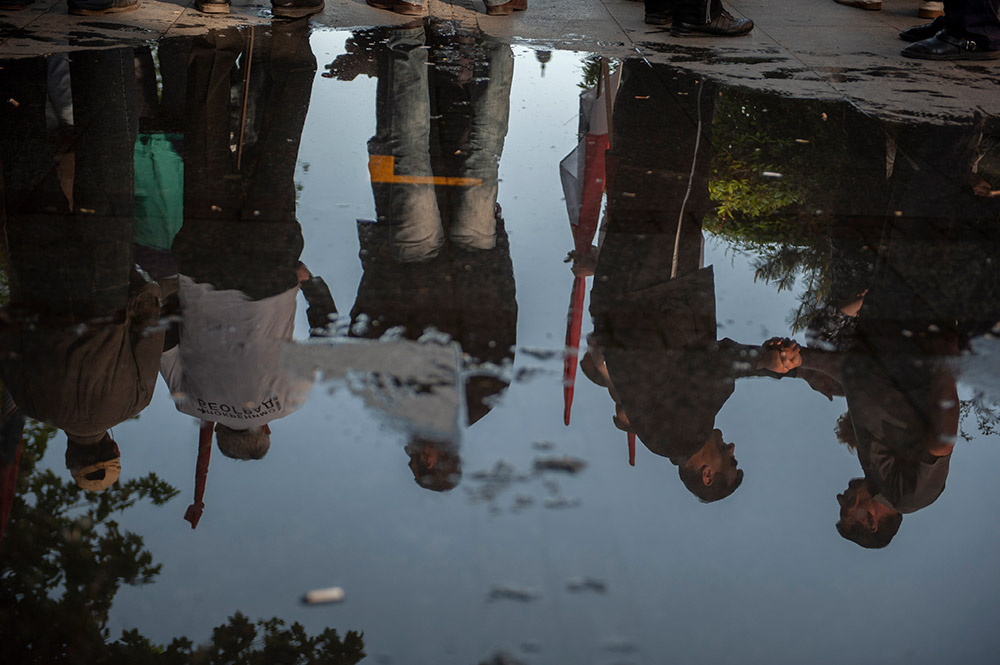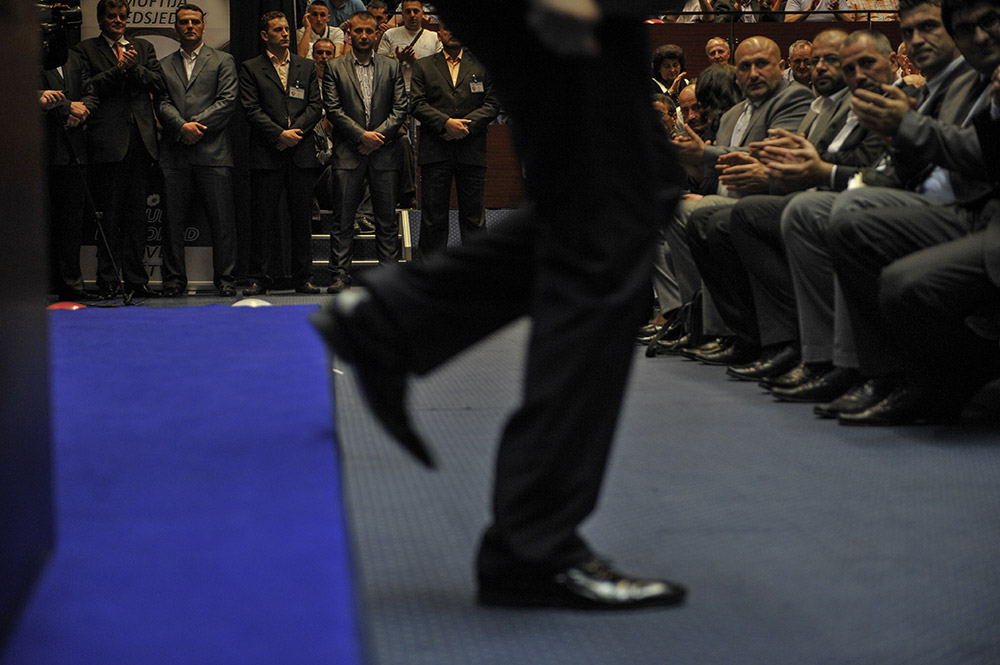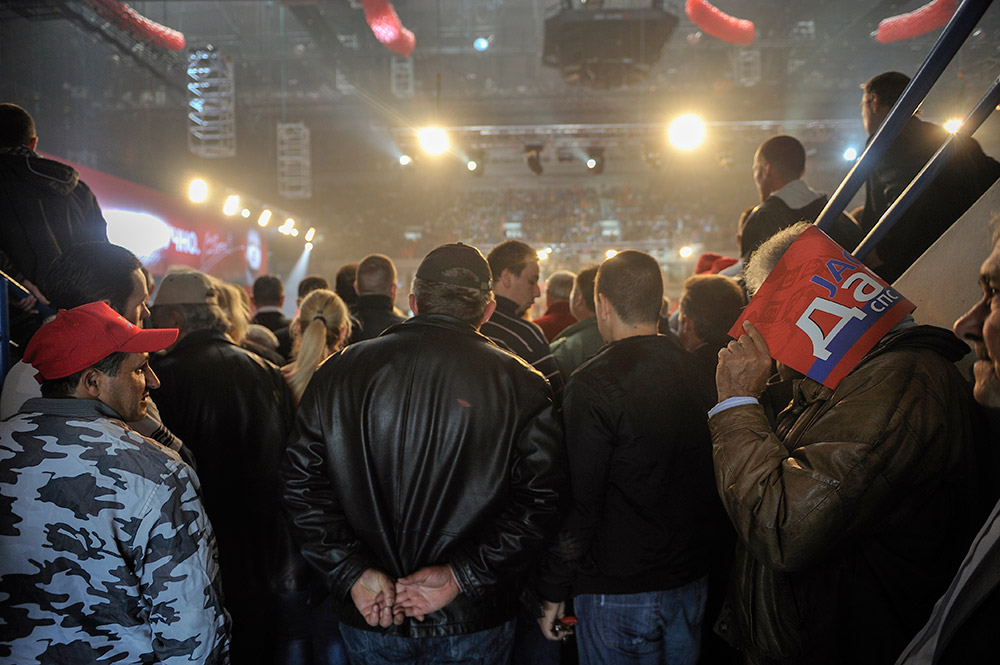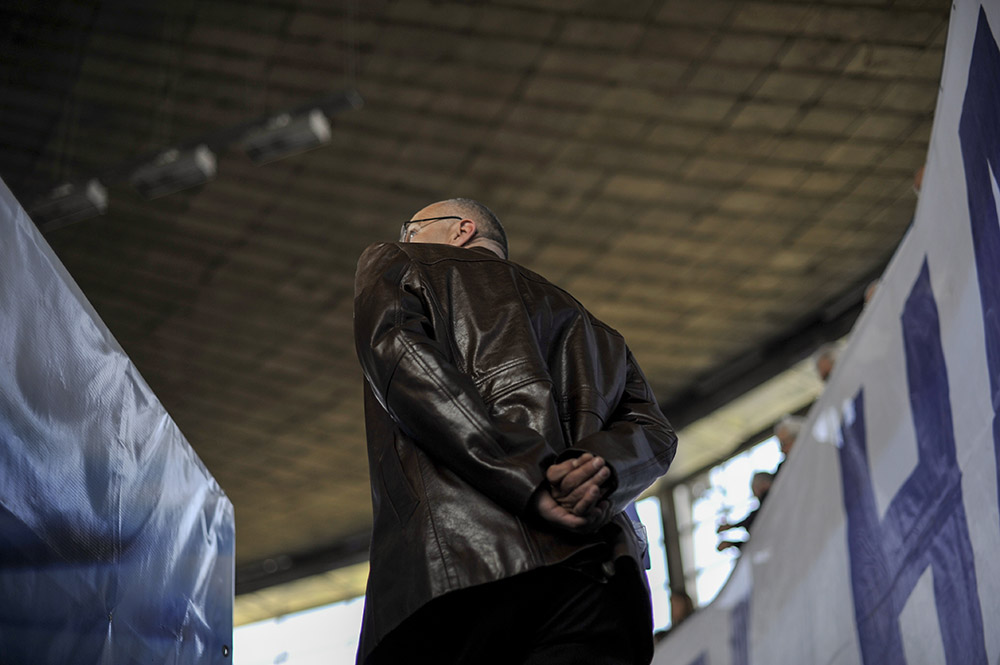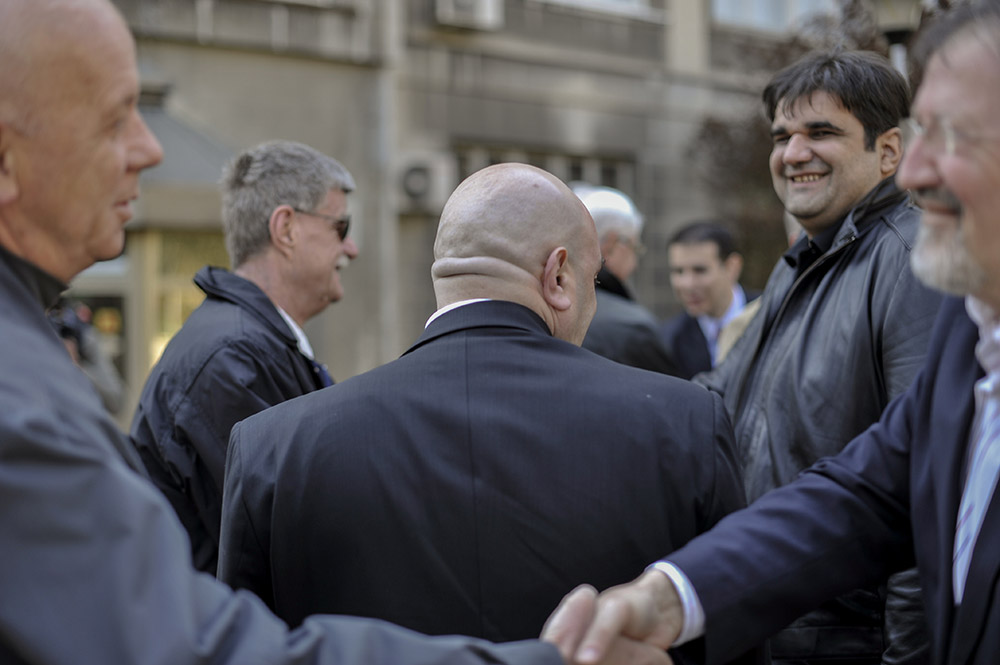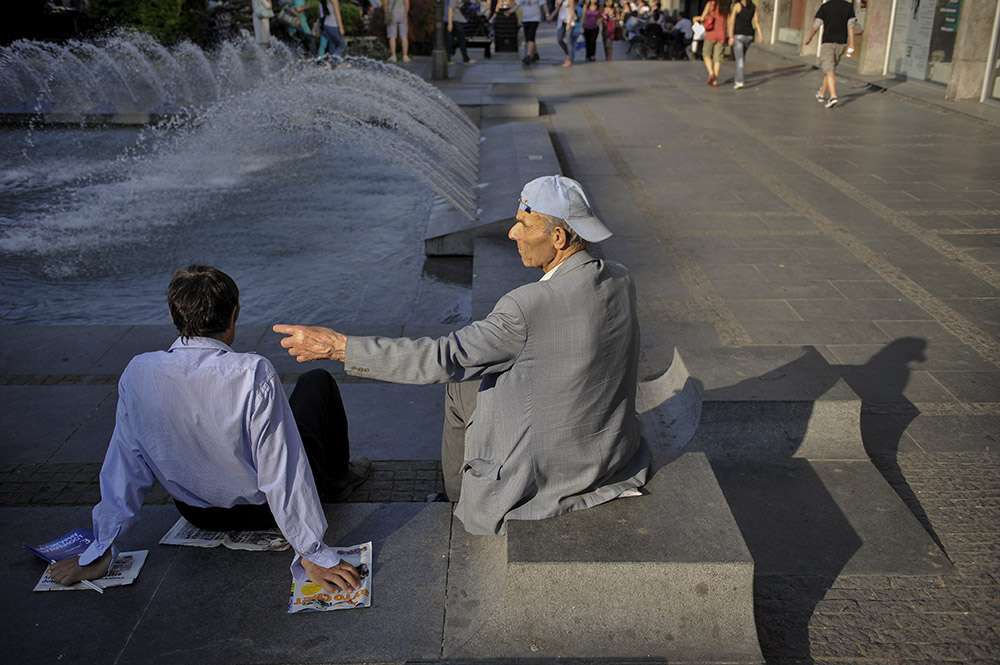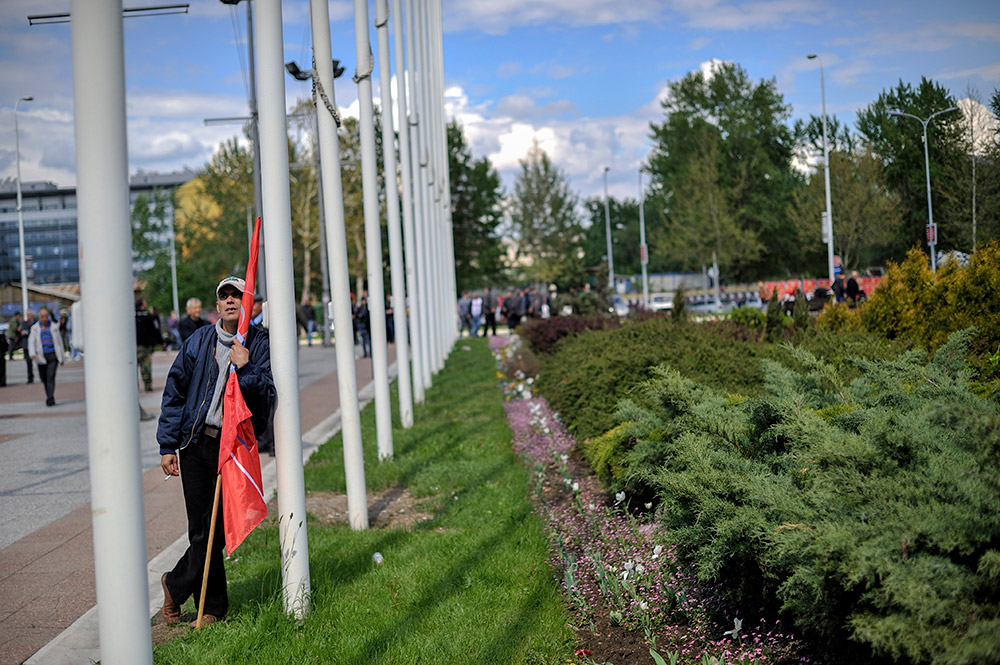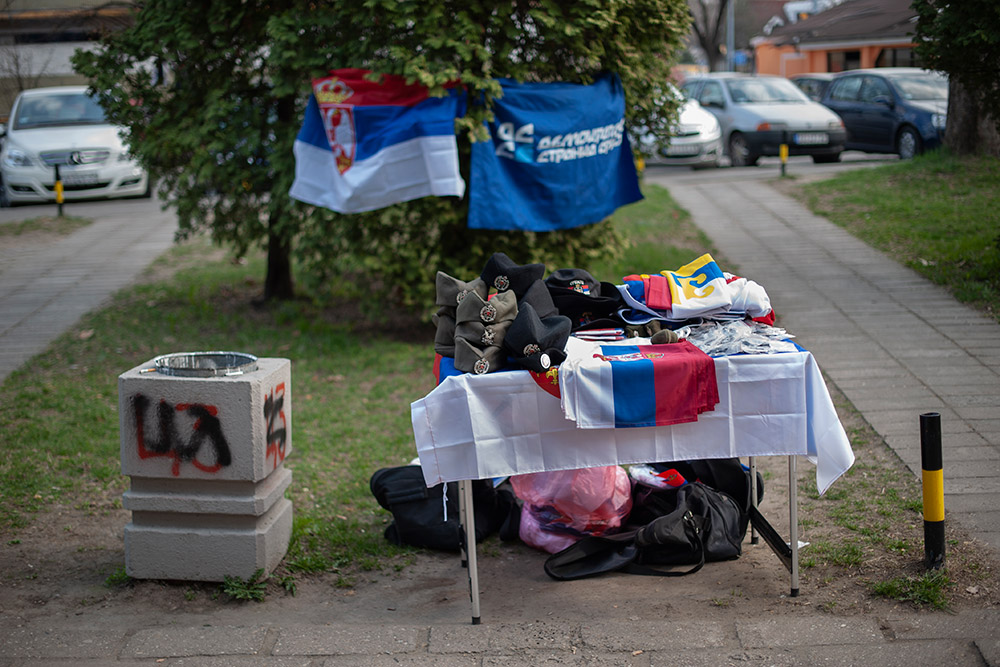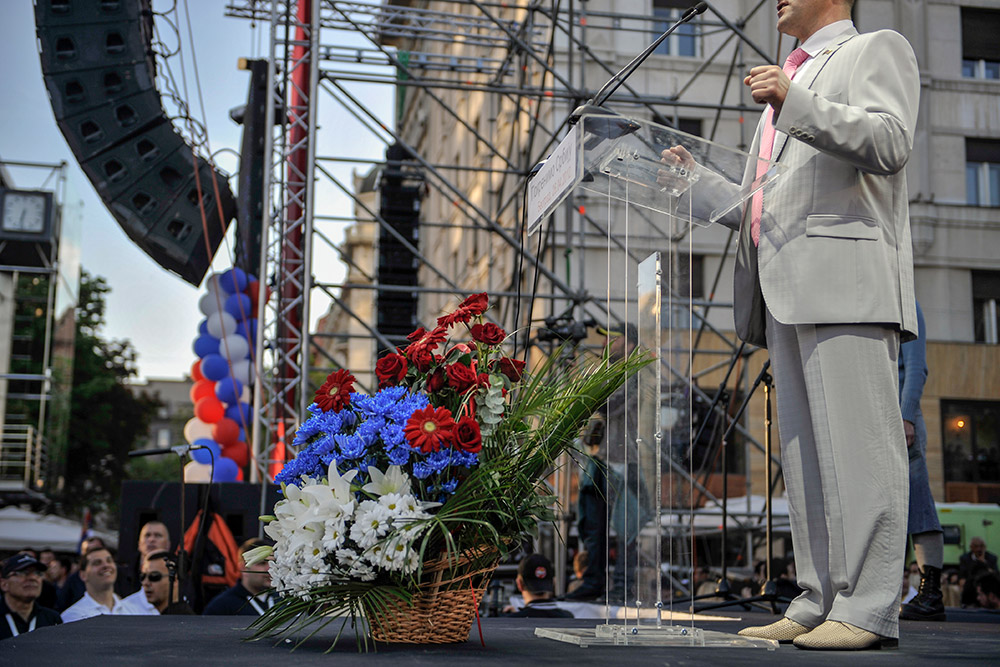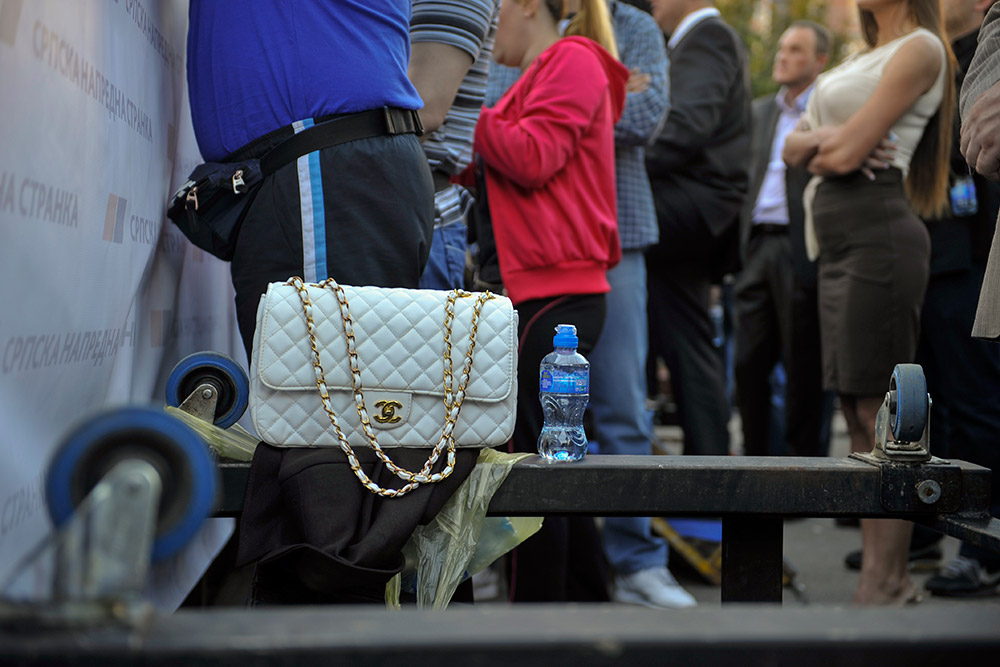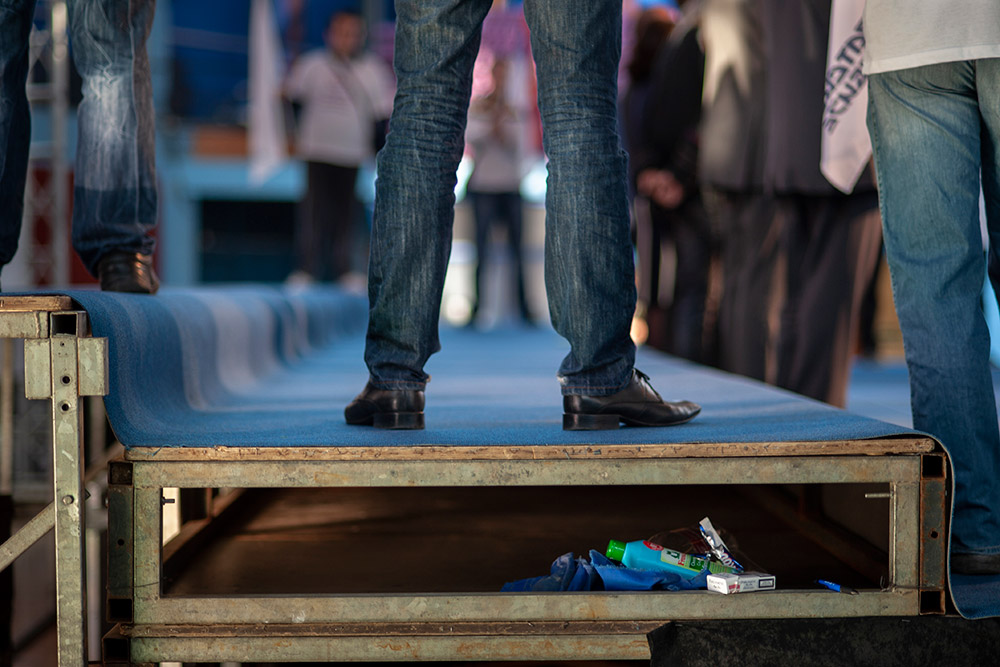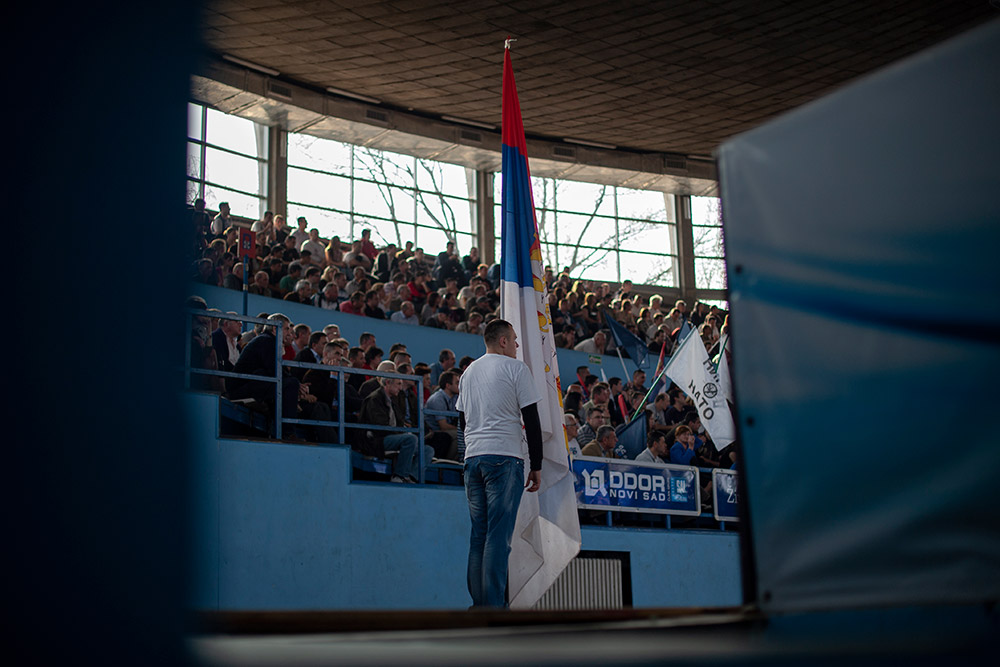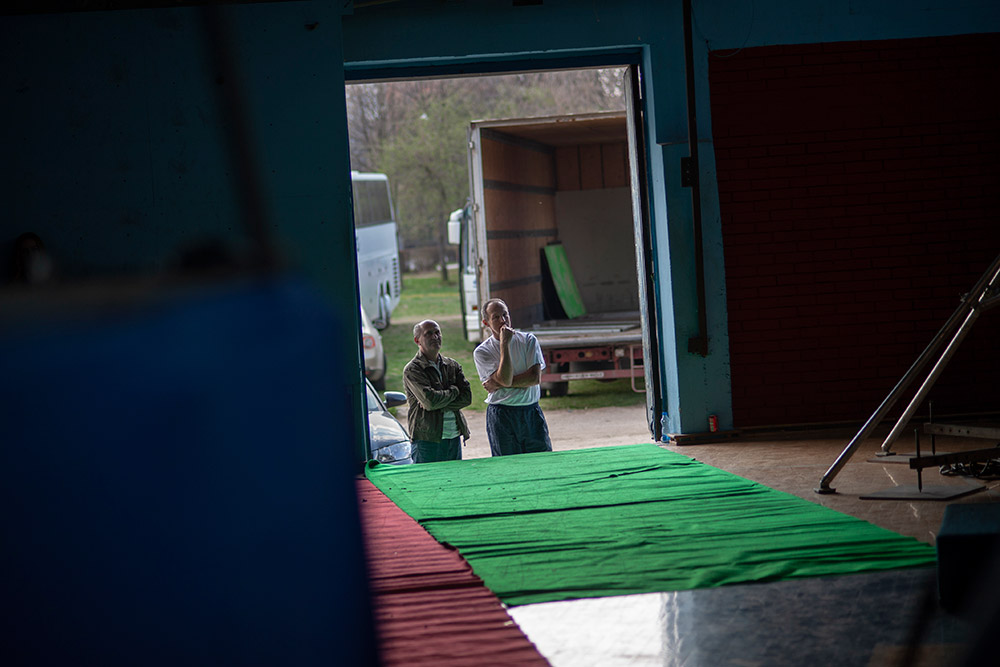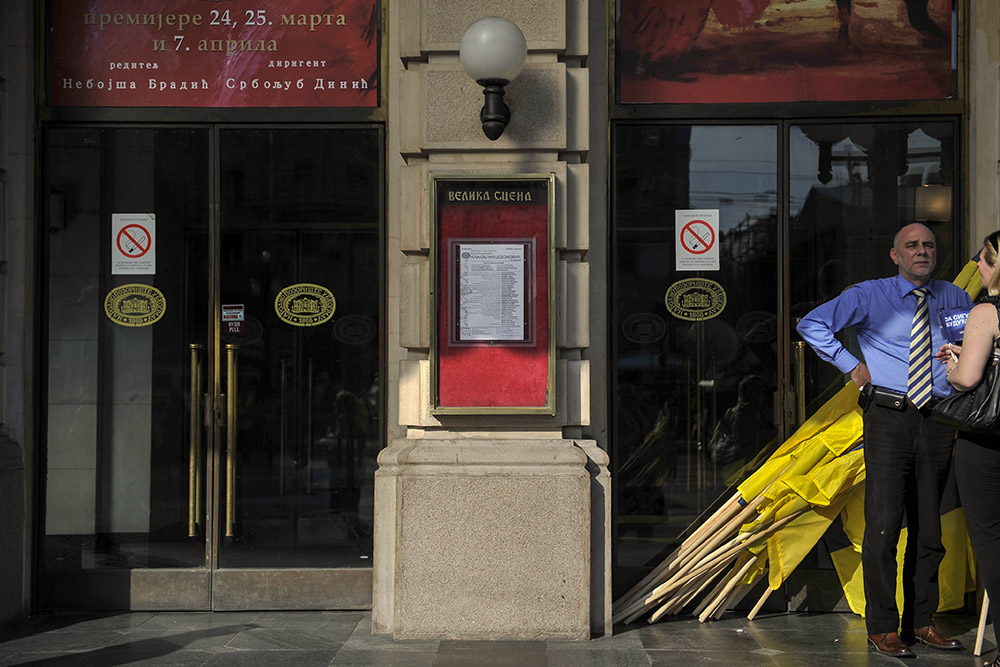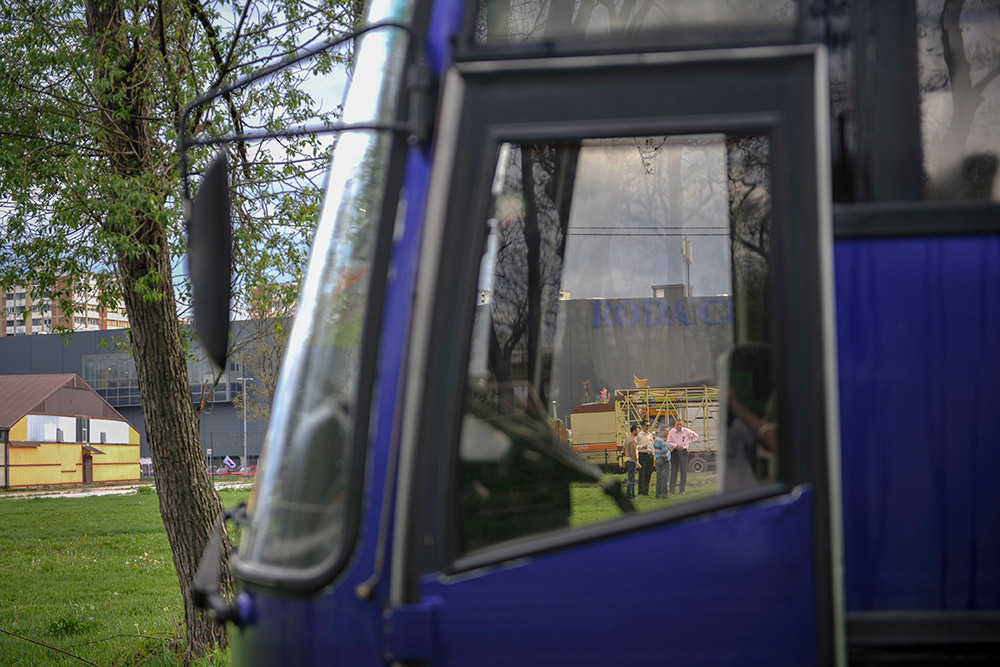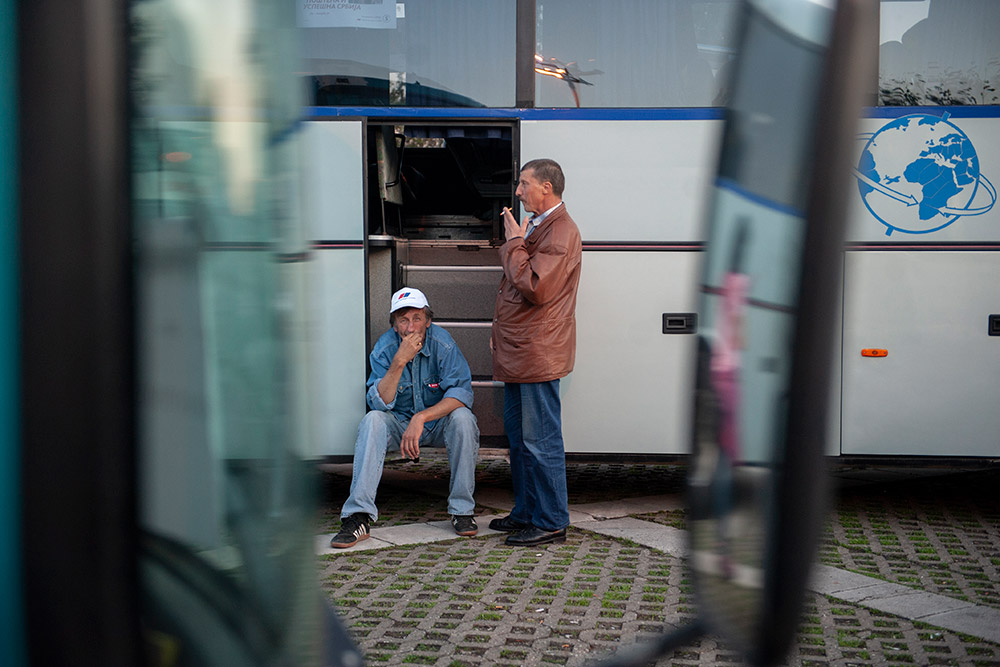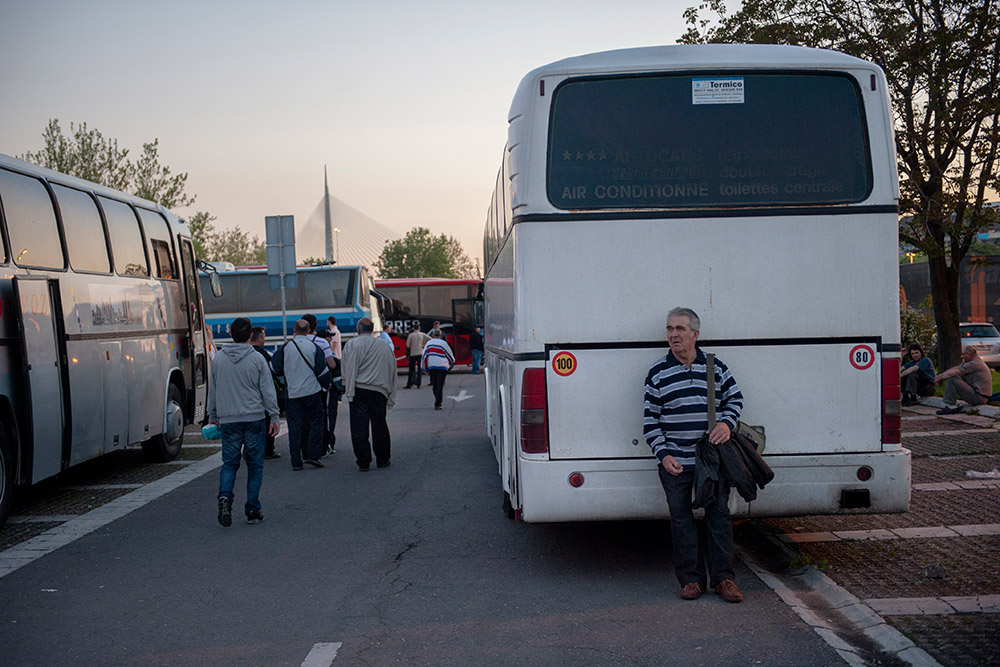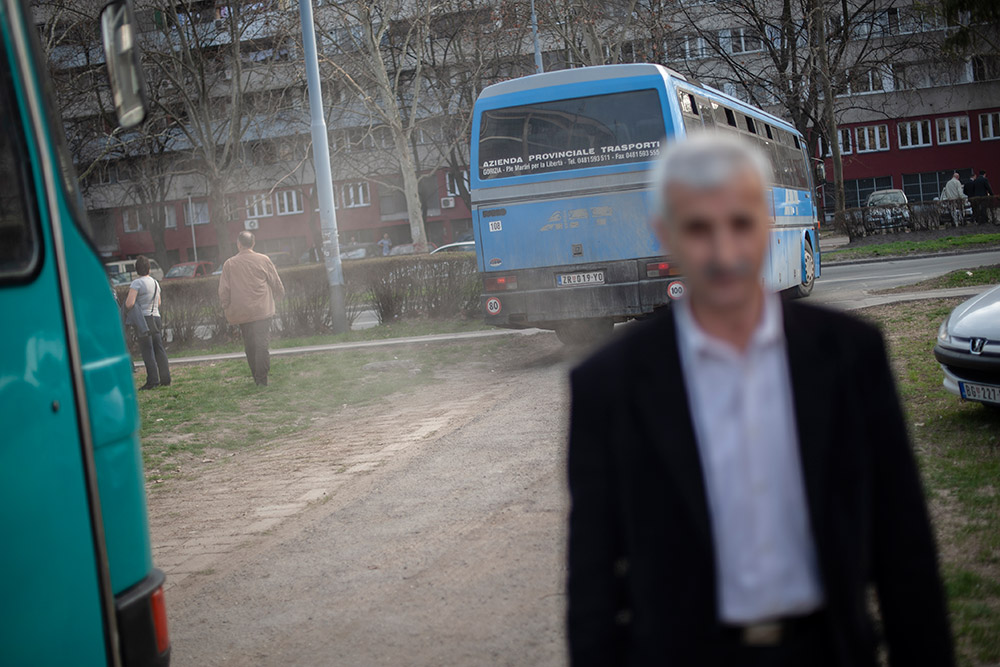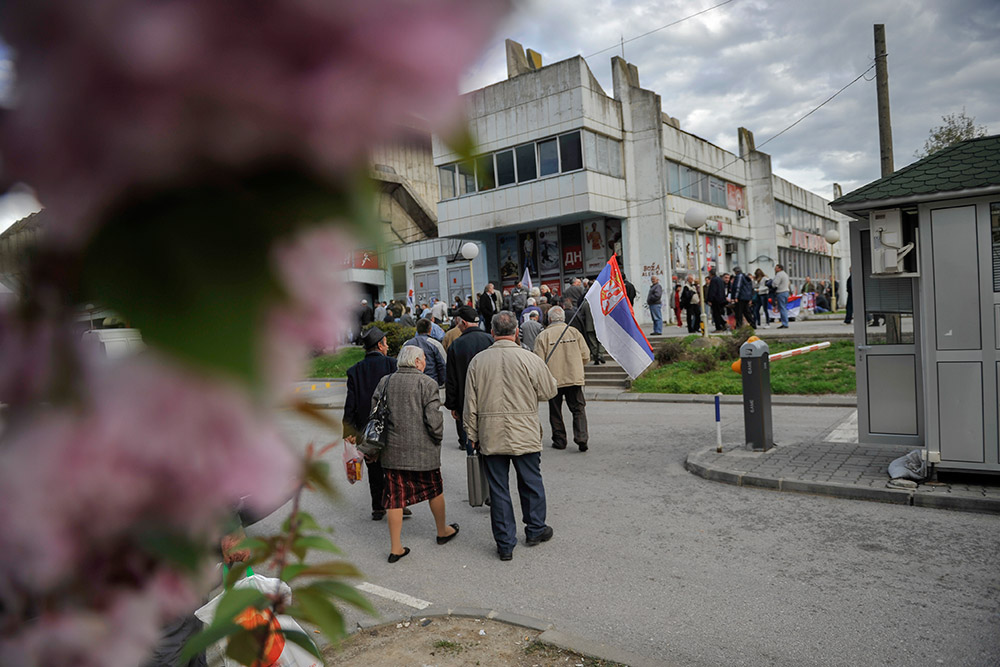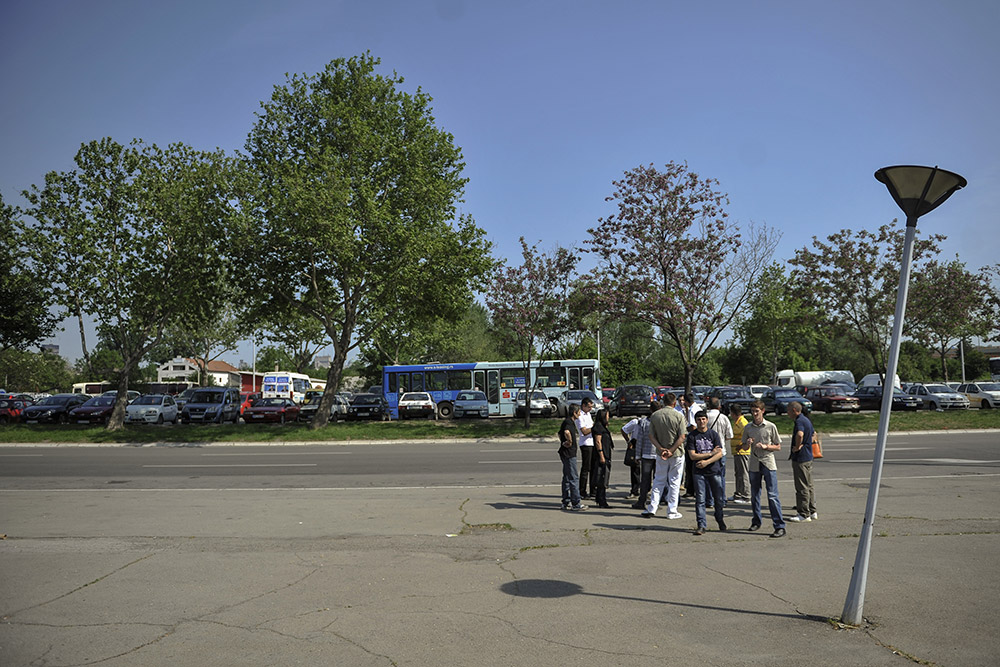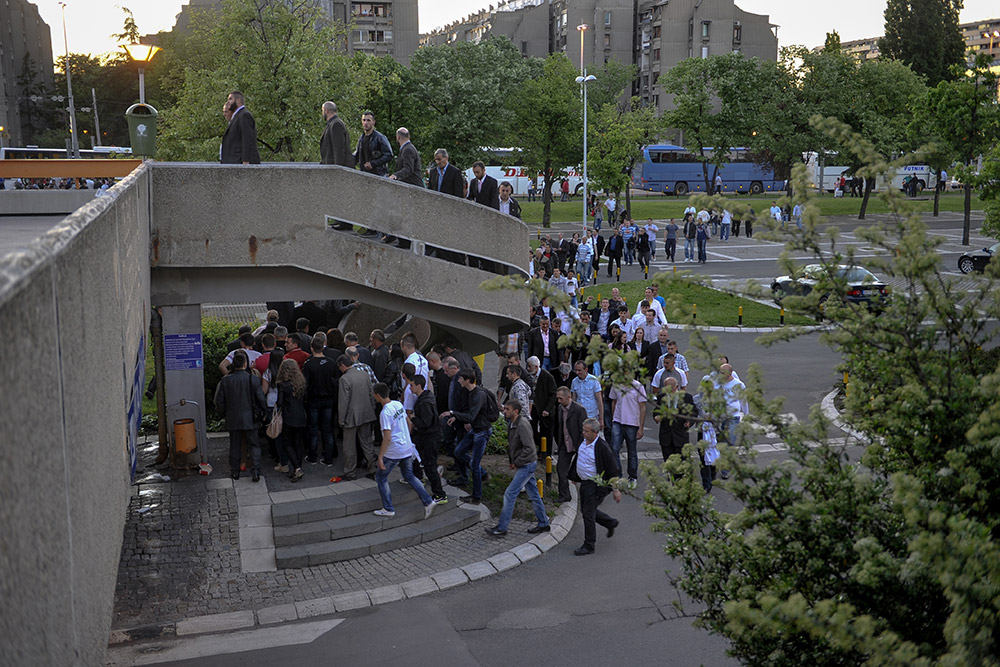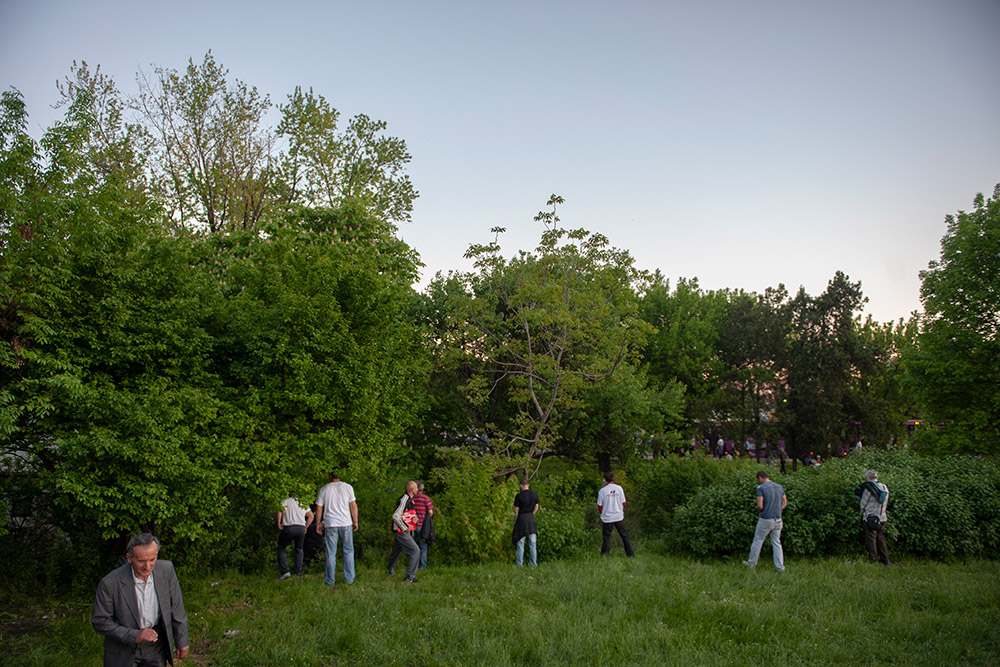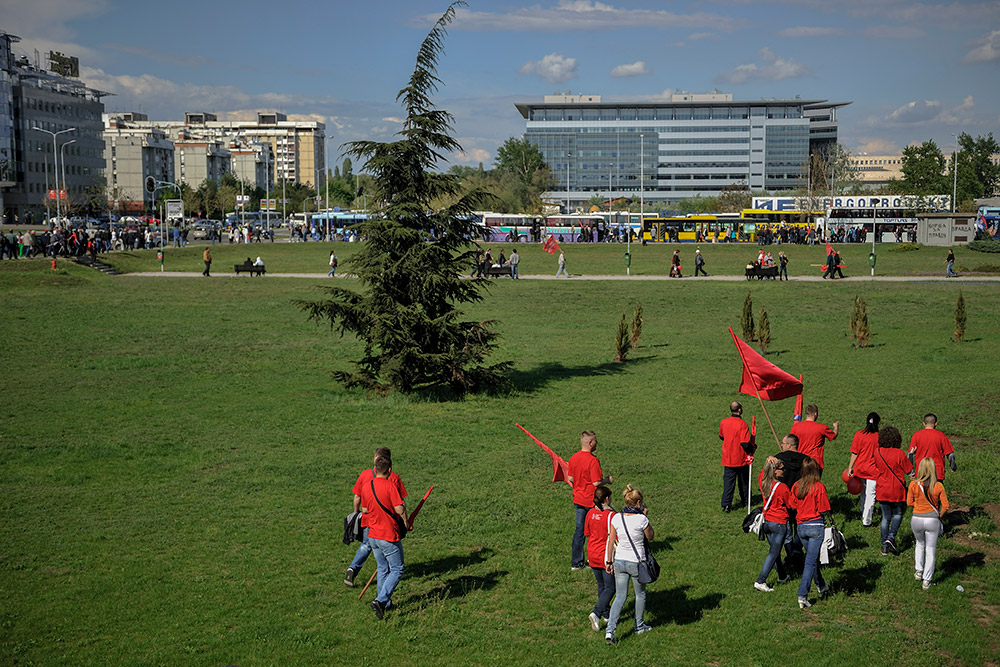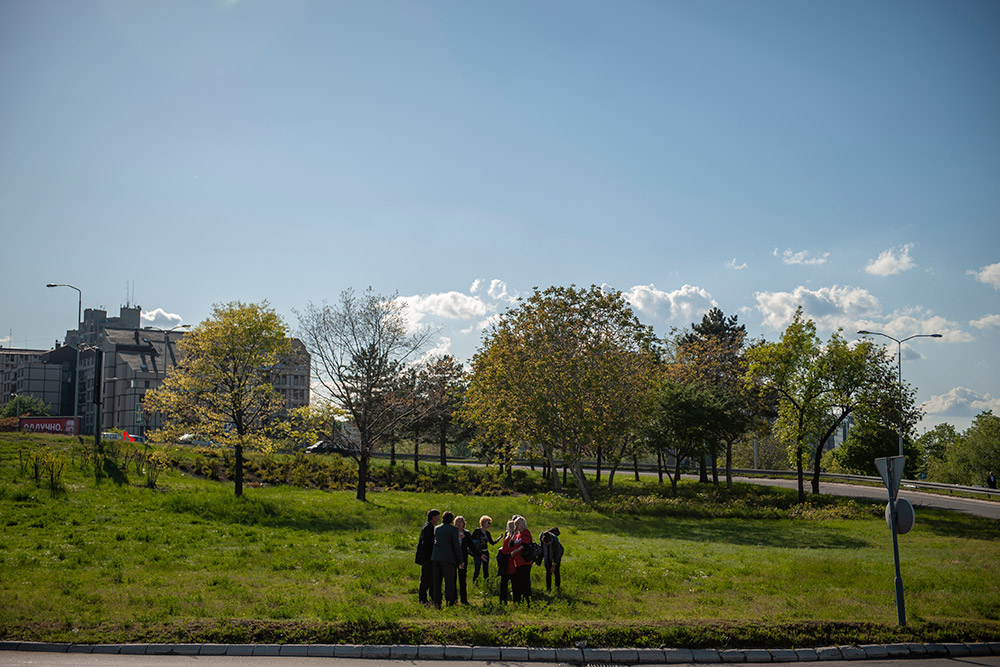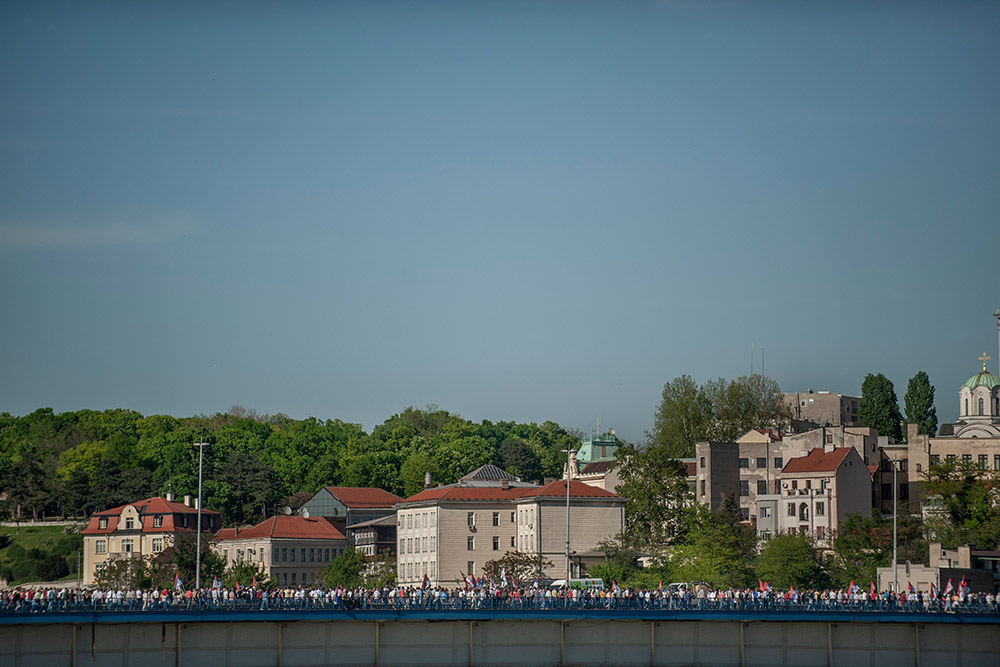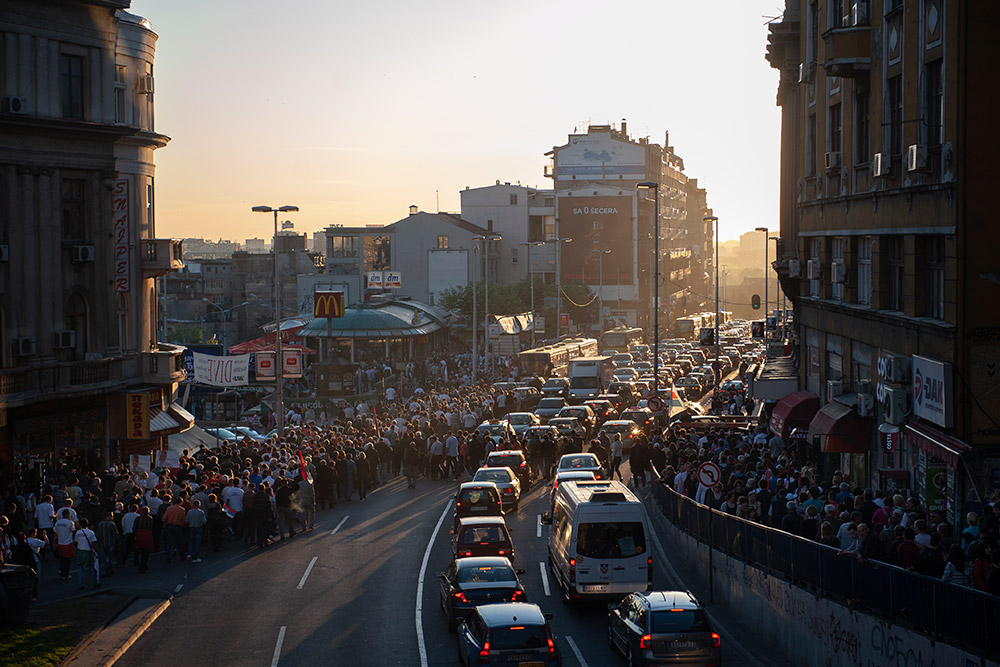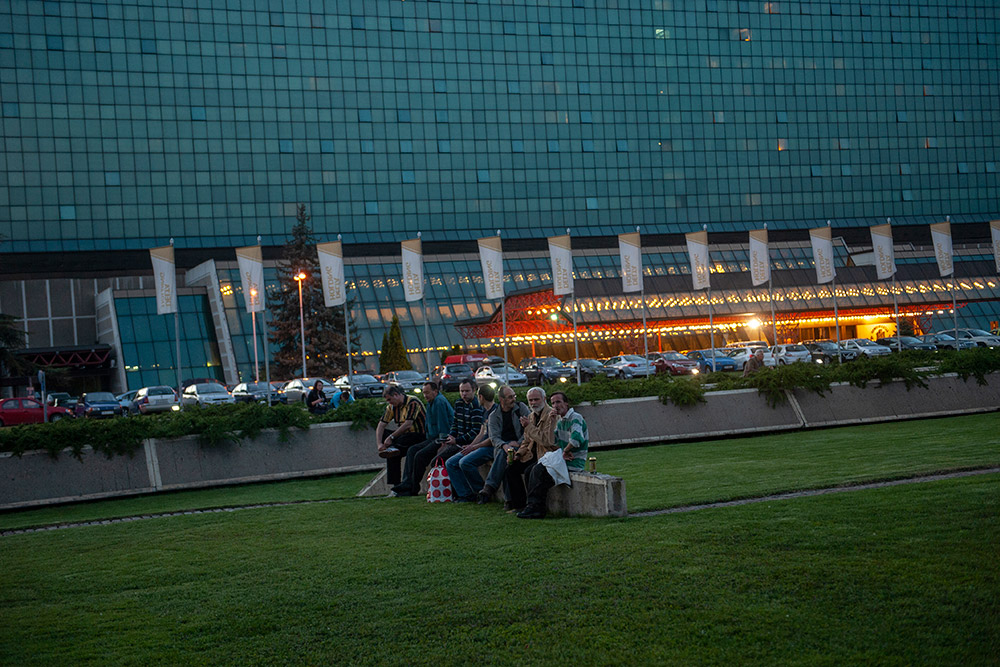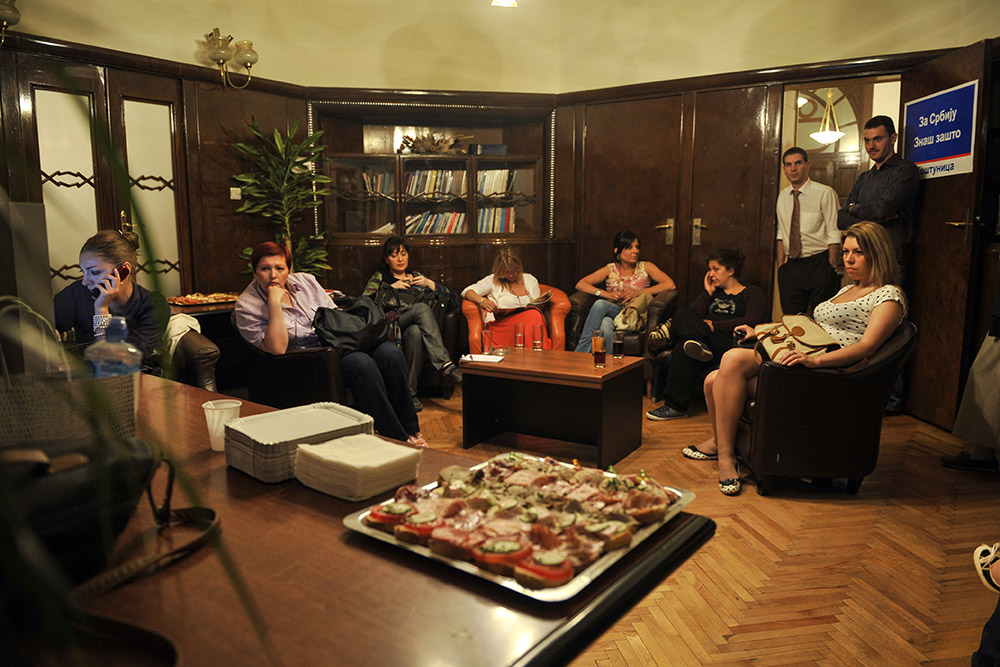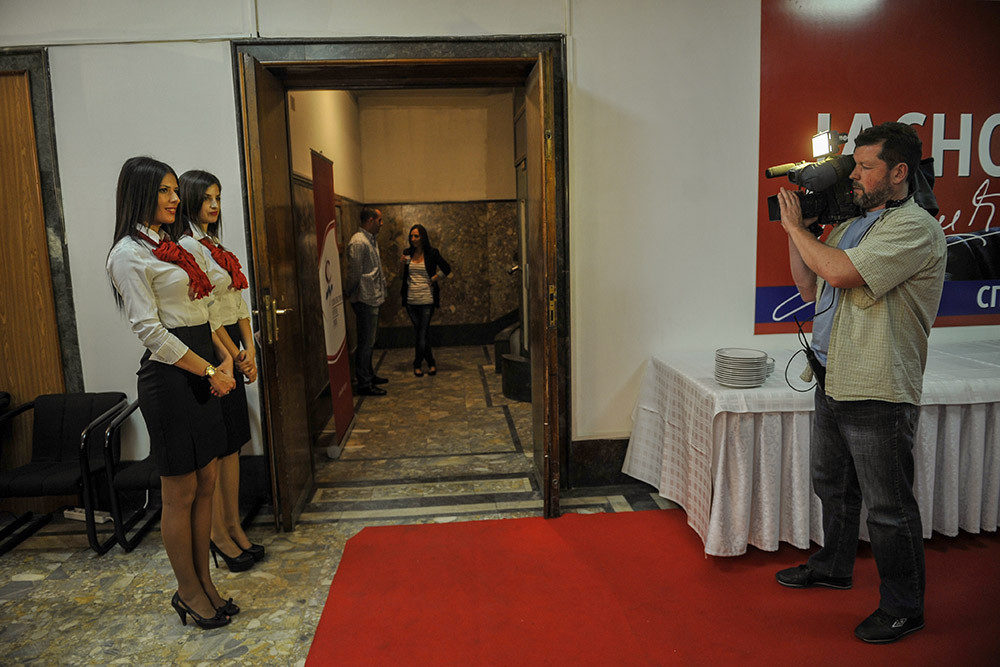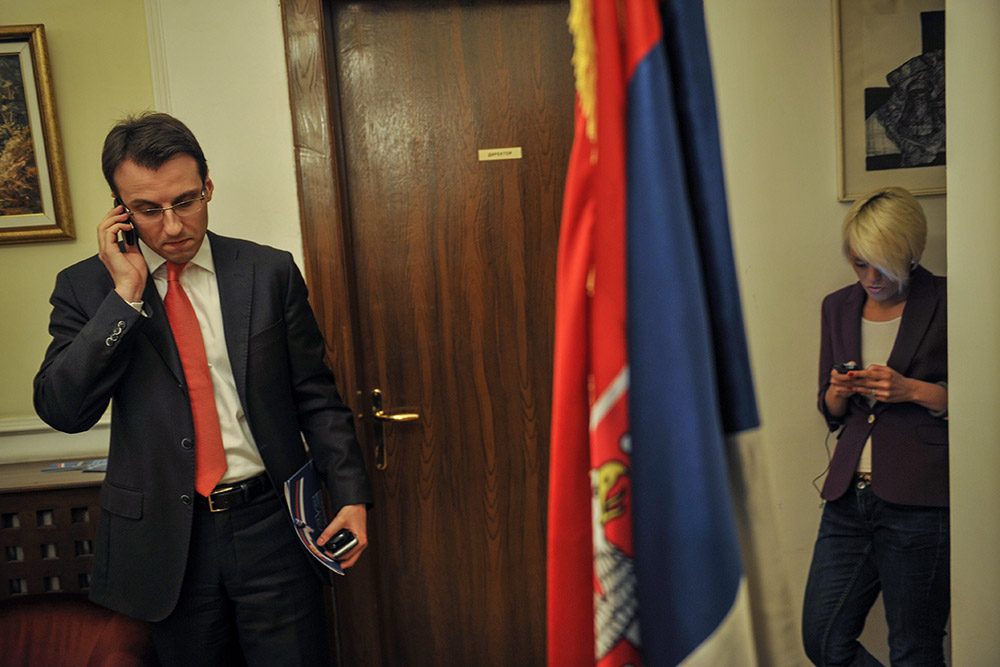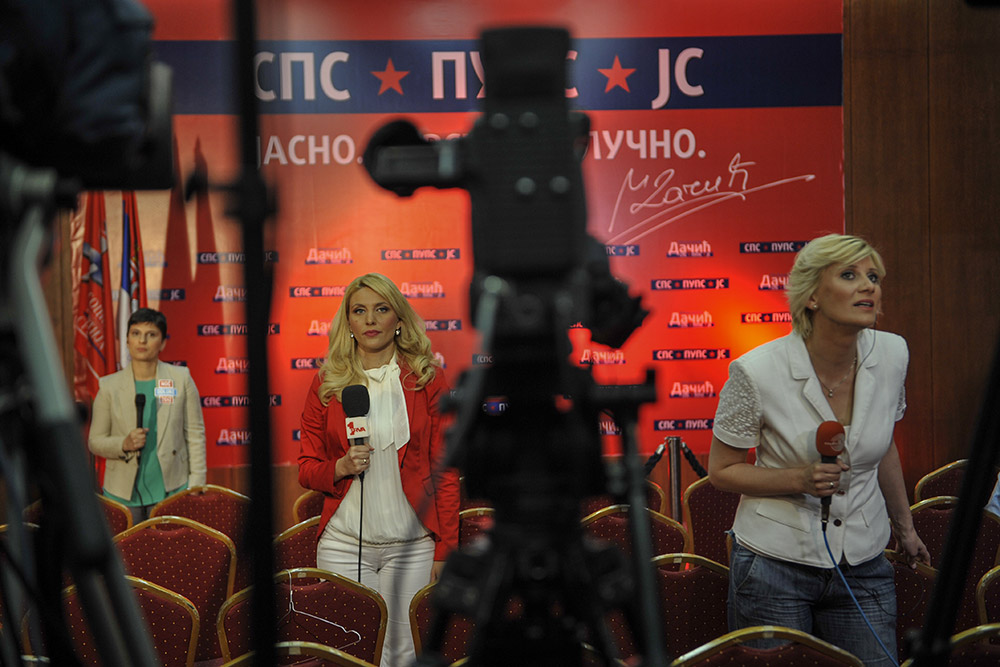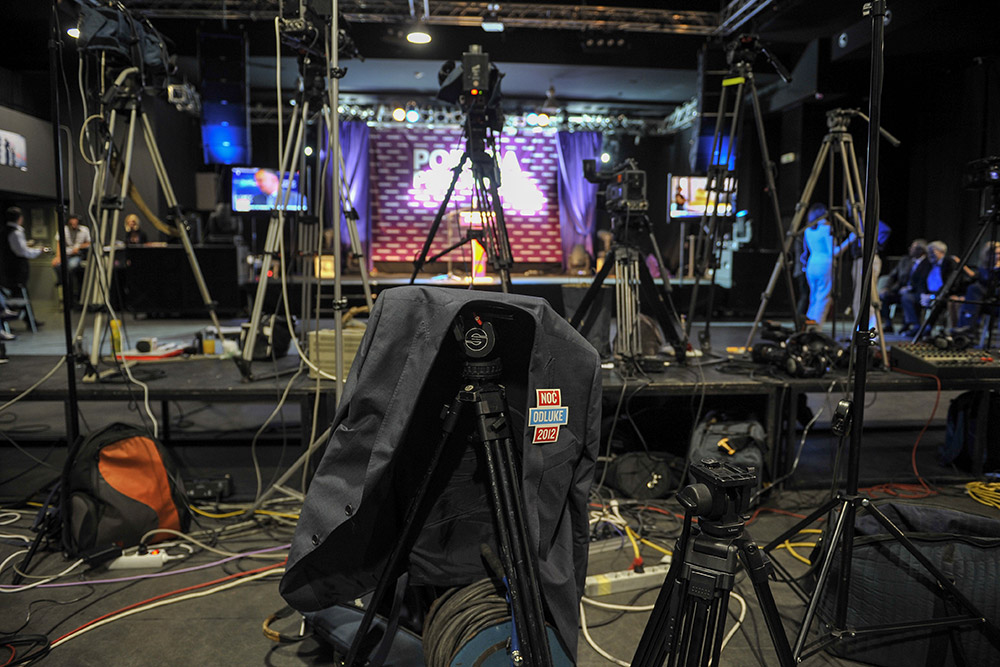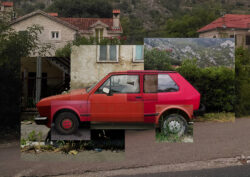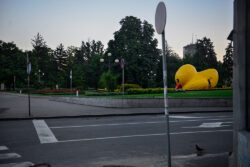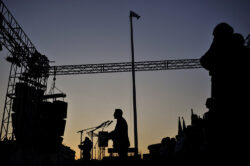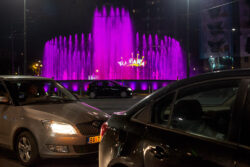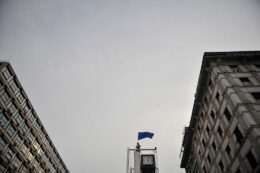
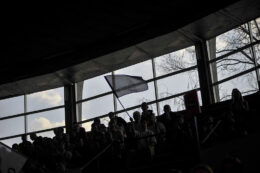
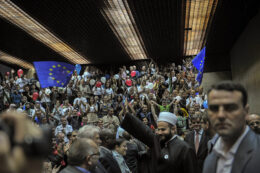
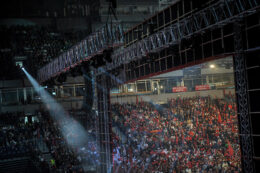
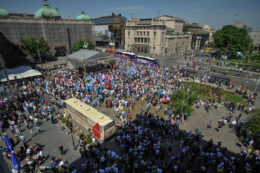
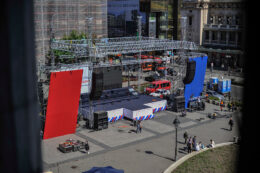
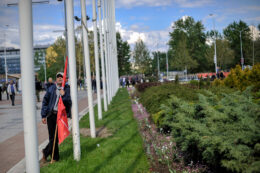
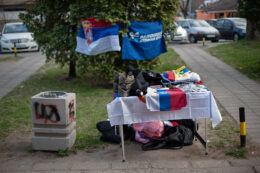
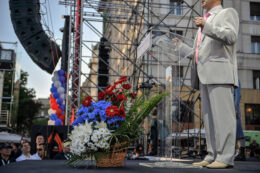
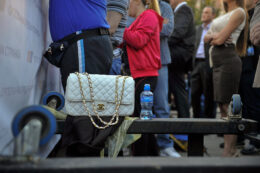
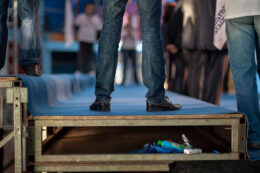
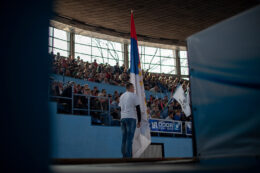
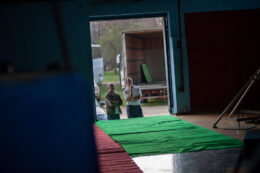
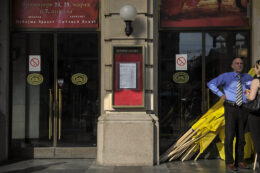
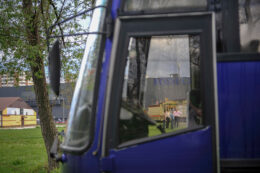
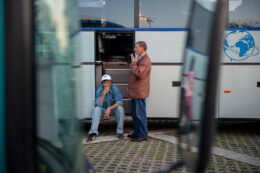
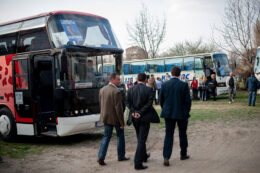
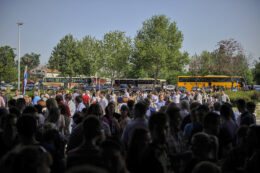
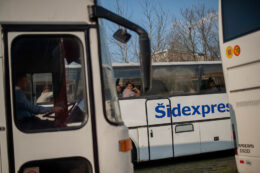
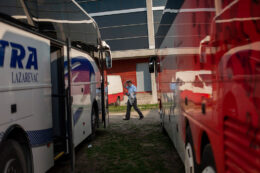
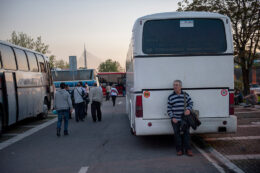
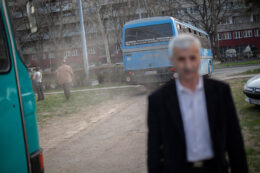
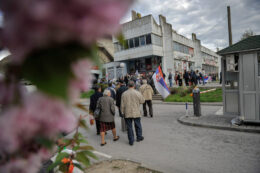
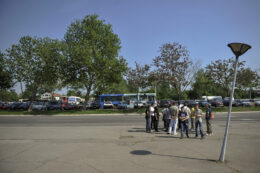
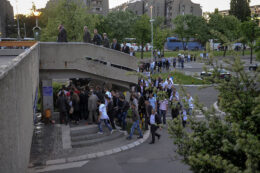
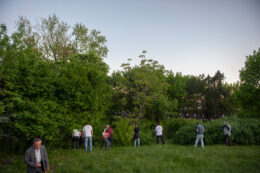
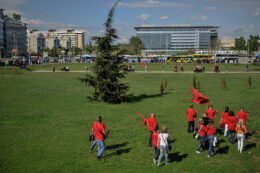
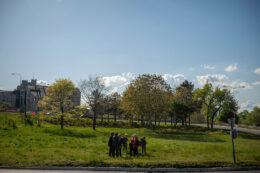
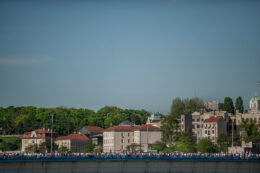
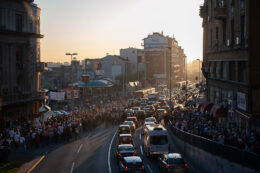
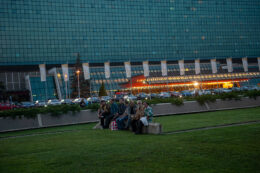
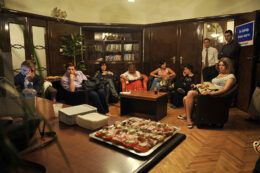
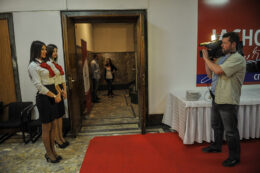
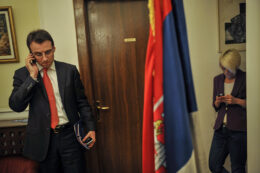
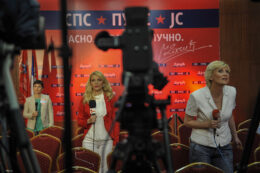
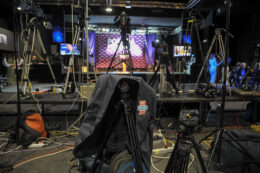
The following photo selection is a part of a group project, “Dirty Season”, by Kamerades photo collective, which I used to be a member of. Our aim was to illustrate a never-ending political crusade which made the society live in a loop for a while, focusing on the campaign for 2012 parliamentary and presidential elections. The project culminated in an exhibition and a self-published book under the same name – Dirty Season.


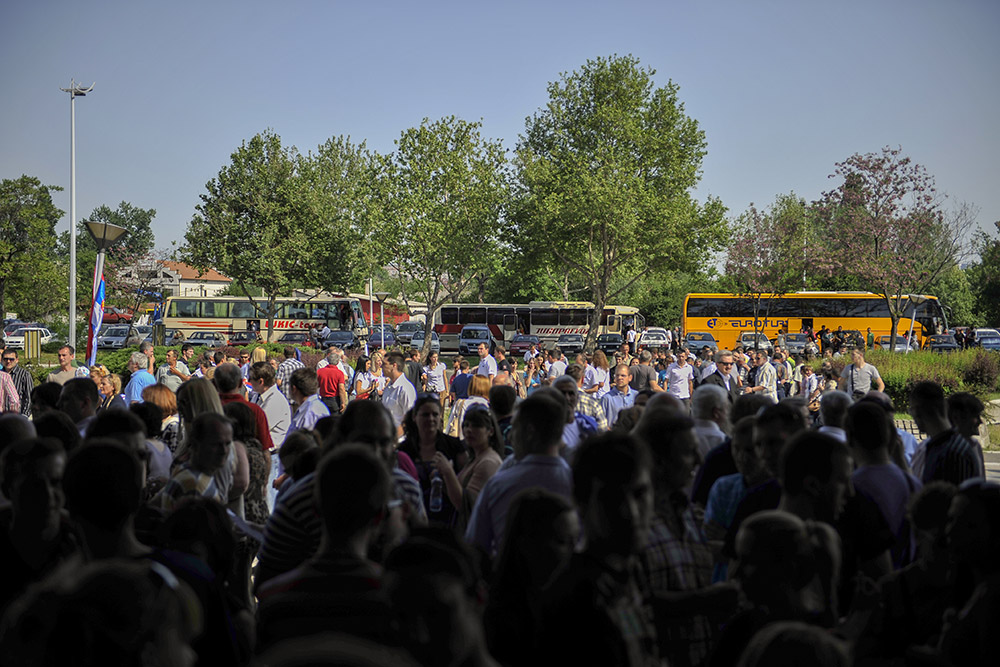
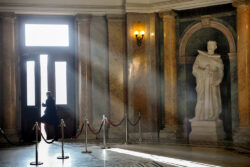
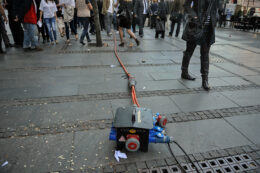
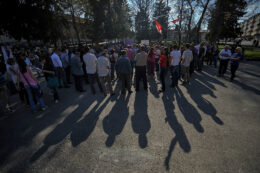
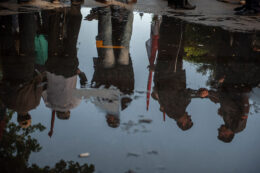
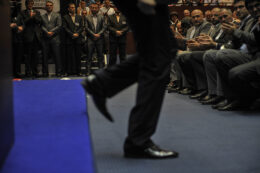
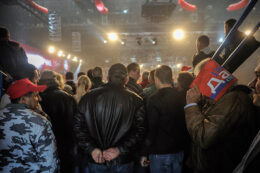
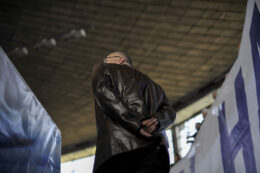
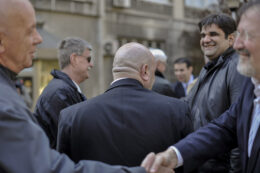
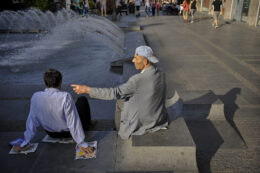
My main task was to cover political rallies, but instead of spotlighting the stars of the event, I observed the audience. Without diving deeply into a life of an individual and their personal stories, I was capturing a rough, wider image of the campaign’s backdrop.


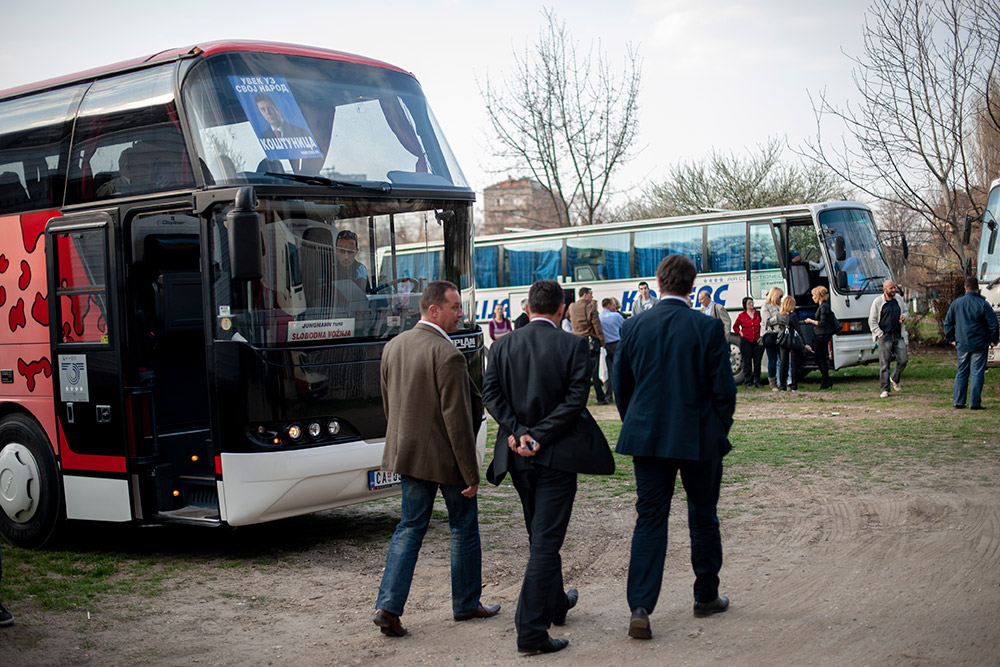
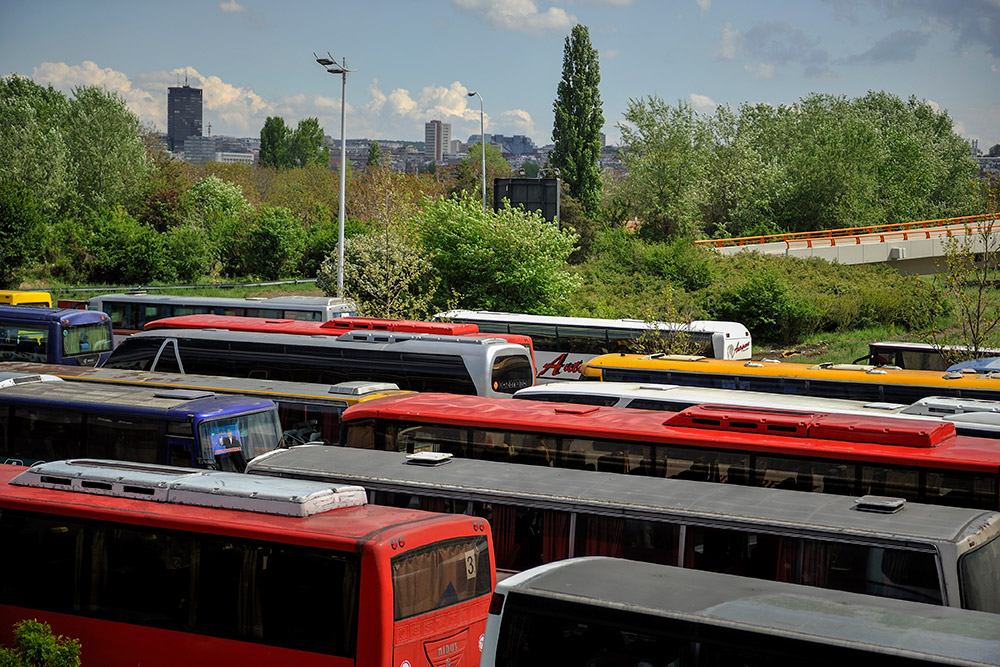
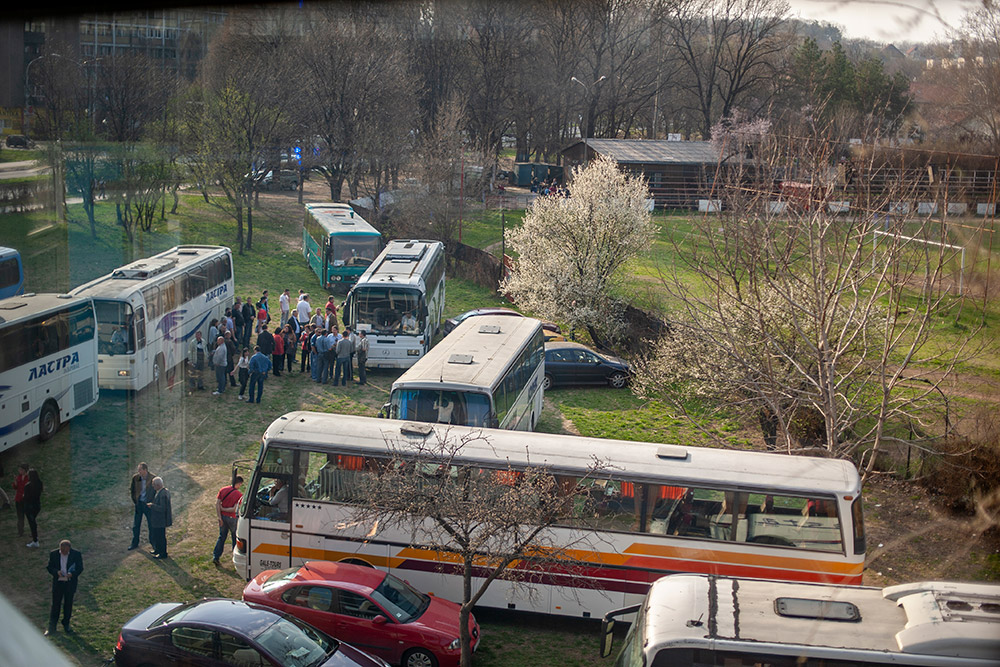
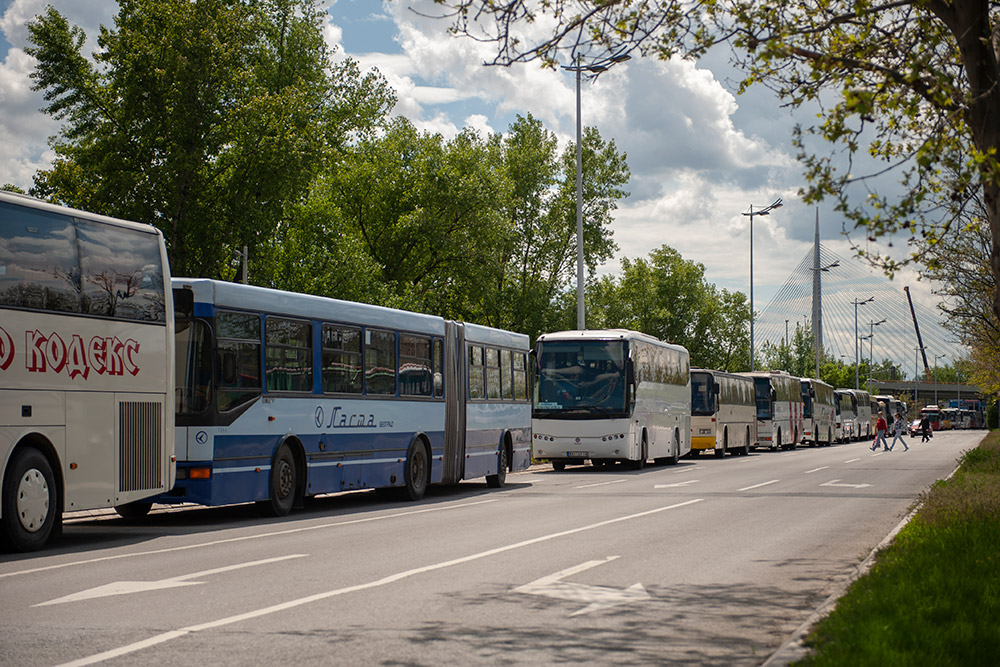
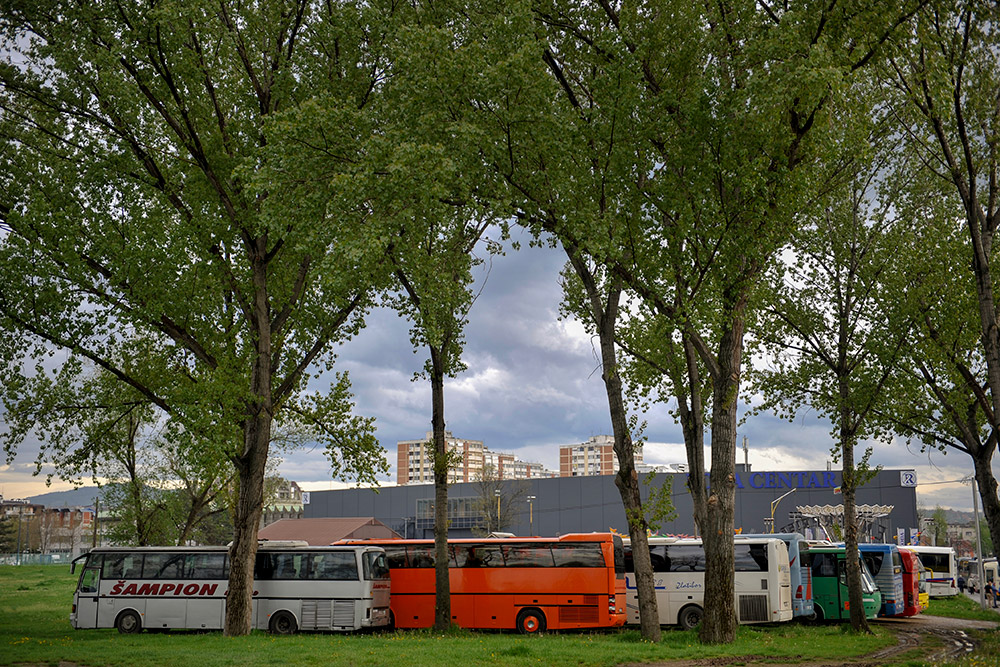
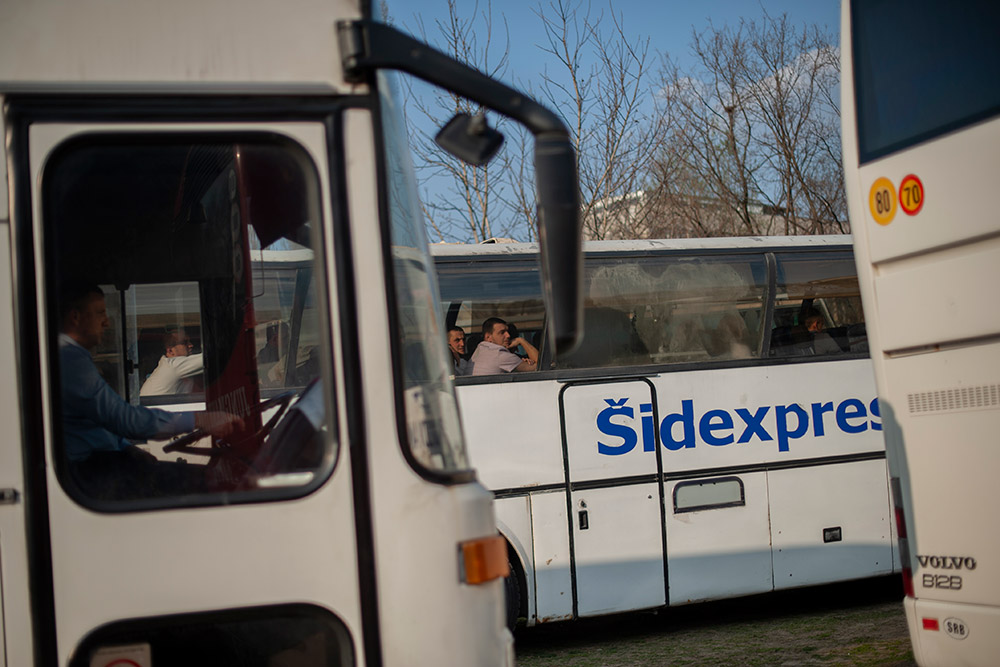
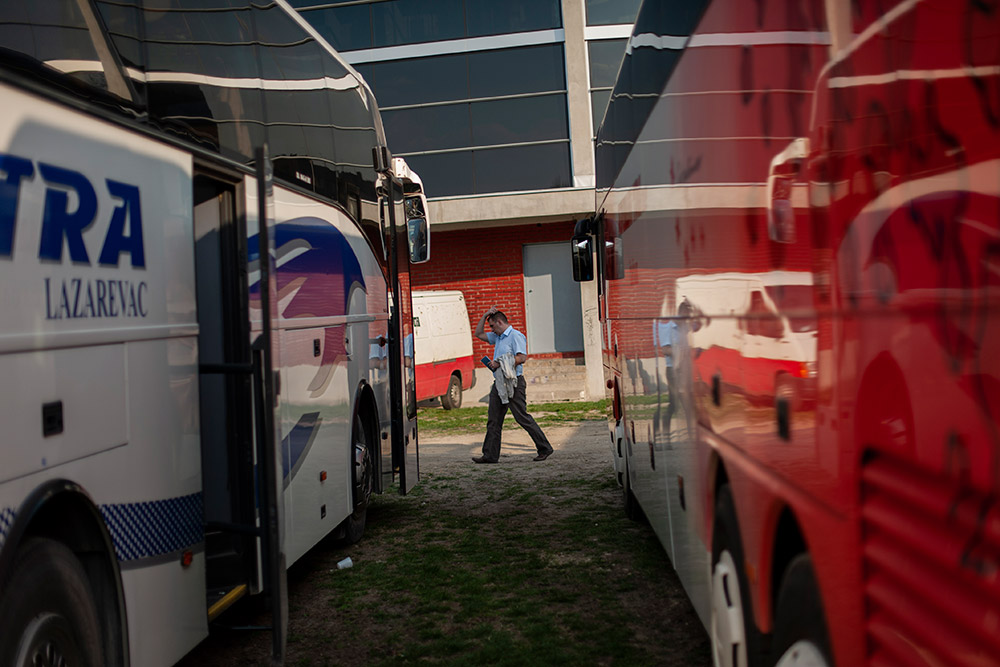
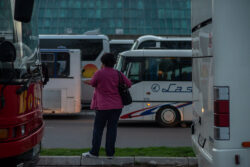
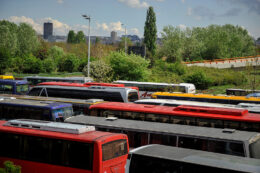
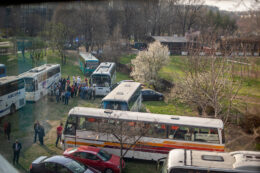
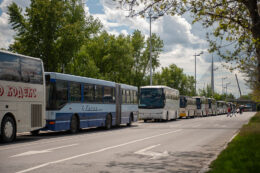
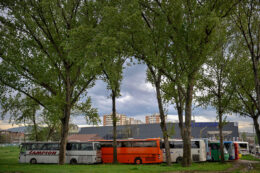
In order to promote their agenda, generate enthusiasm and make major high-priority events more impressive, parties use their infrastructure, funds and logistics to mobilise their supporters to attend the rallies, bussing them from different areas to the capital and other regional centres.


The peculiarity of this occurrence was that, in addition to party members and genuine sympathisers, a number of attendees also included – firstly, the privileged individuals (e.g. public-sector employees and business owners) who had benefited from party connections. It was expected that they would “return a favour” by attending, assisting with logistics or providing their services “voluntarily”.


Furthermore, there were the economically vulnerable ones, who were “incentivised” to join the rally. They were taken on “a free day trip”, handed a cheese and ham toast, a bottle of water / soft drink, and on occasion a daily allowance.
Instrumentalised as extras on set, while at the same time presented as organic supporters, with an aim of imposing a narrative of alleged strength and prosperity. As the campaign was progressing, this set design with people as props would be relocated from one place to another, regularly guided by hosts, i.e. dedicated political party members, thus artificially creating a sense of unity and collective engagement among party members and supporters.


This phenomenon, where the party attempts to manufacture grassroots support, even though some attendees may be motivated by factors other than true belief in the party’s ideology or policies, can be seen as a form of misleading, manipulation or abuse of power. In other words, it can be seen as undemocratic practices, lacking in transparency and unfair representation and participation of citizens and parties in the political process.
to explore related posts – continue scrolling
to navigate through posts – use arrows
The following photo selection is a part of a group project, “Dirty Season”, by Kamerades photo collective, which I used to be a member of. Our aim was to illustrate a never-ending political crusade which made the society live in a loop for a while, focusing on the campaign for 2012 parliamentary and presidential elections. The project culminated in an exhibition and a self-published book under the same name – Dirty Season.


My main task was to cover political rallies, but instead of spotlighting the stars of the event, I observed the audience. Without diving deeply into a life of an individual and their personal stories, I was capturing a rough, wider image of the campaign’s backdrop.


In order to promote their agenda, generate enthusiasm and make major high-priority events more impressive, parties use their infrastructure, funds and logistics to mobilise their supporters to attend the rallies, bussing them from different areas to the capital and other regional centres.


The peculiarity of this occurrence was that, in addition to party members and genuine sympathisers, a number of attendees also included – firstly, the privileged individuals (e.g. public-sector employees and business owners) who had benefited from party connections. It was expected that they would “return a favour” by attending, assisting with logistics or providing their services “voluntarily”.


Furthermore, there were the economically vulnerable ones, who were “incentivised” to join the rally. They were taken on “a free day trip”, handed a cheese and ham toast, a bottle of water / soft drink, and on occasion a daily allowance.
Instrumentalised as extras on set, while at the same time presented as organic supporters, with an aim of imposing a narrative of alleged strength and prosperity. As the campaign was progressing, this set design with people as props would be relocated from one place to another, regularly guided by hosts, i.e. dedicated political party members, thus artificially creating a sense of unity and collective engagement among party members and supporters.


This phenomenon, where the party attempts to manufacture grassroots support, even though some attendees may be motivated by factors other than true belief in the party’s ideology or policies, can be seen as a form of misleading, manipulation or abuse of power. In other words, it can be seen as undemocratic practices, lacking in transparency and unfair representation and participation of citizens and parties in the political process.
to explore related posts – continue scrolling
to navigate through posts – use arrows
We use cookies to improve your experience on our site. By using our site, you consent to cookies.
Manage your cookie preferences below:
Essential cookies enable basic functions and are necessary for the proper function of the website.
You can find more information in our Cookie Policy and .