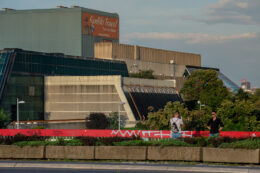
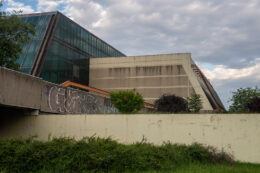
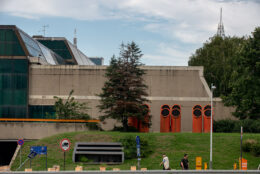
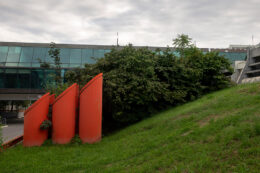
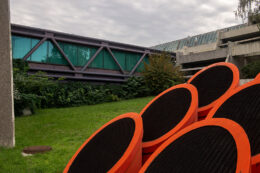
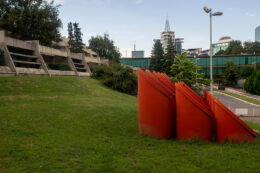
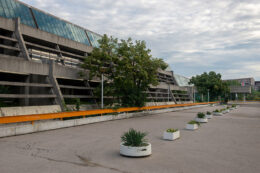
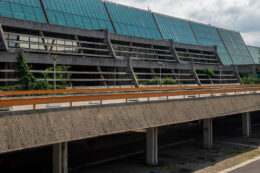
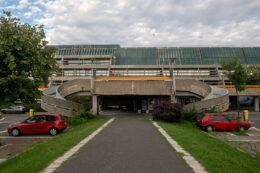
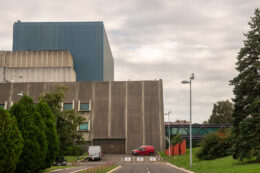
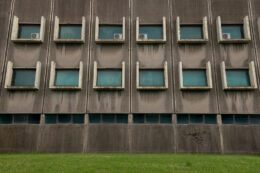
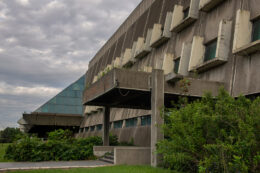
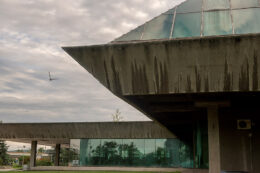
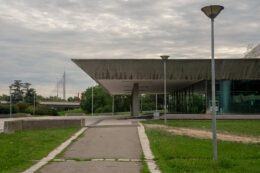
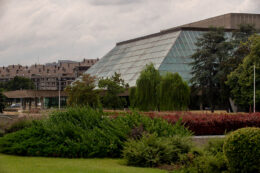
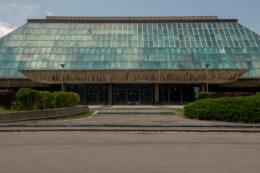
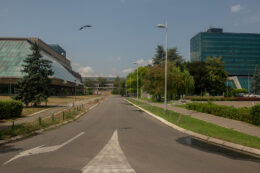
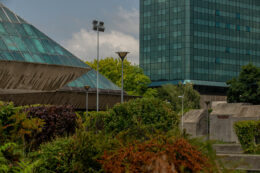
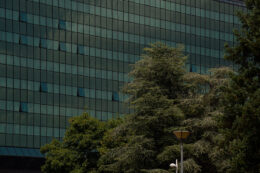
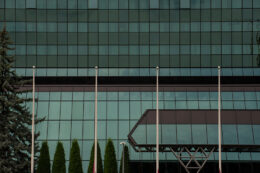
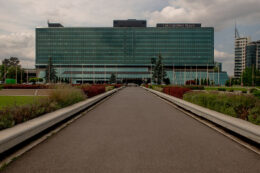
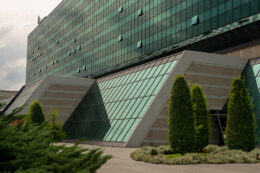
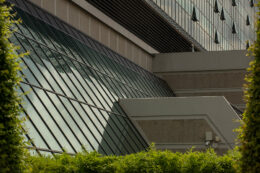
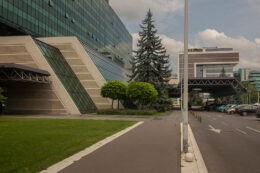
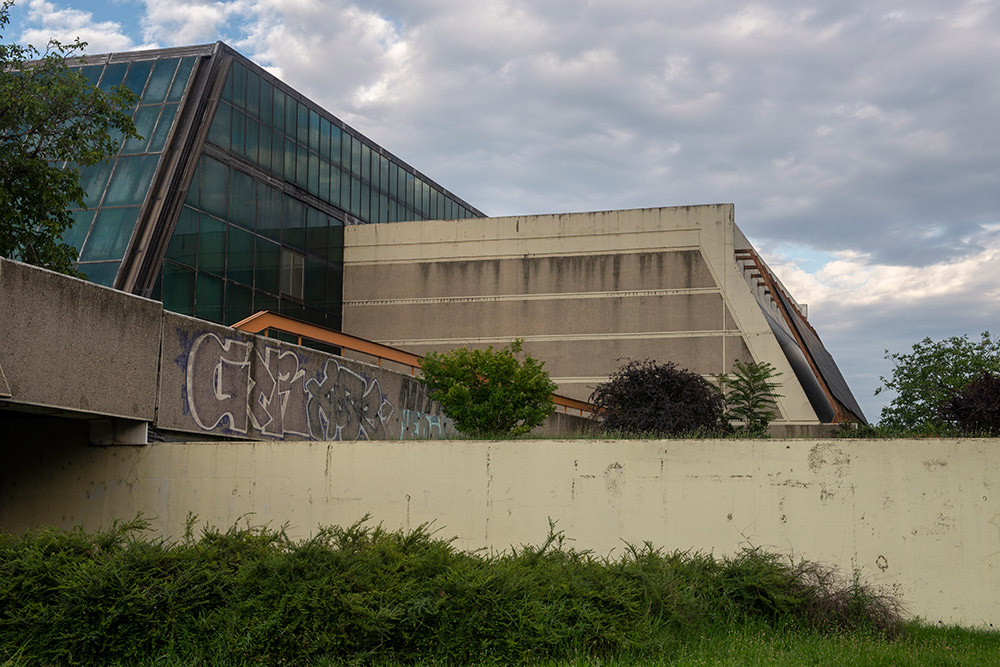
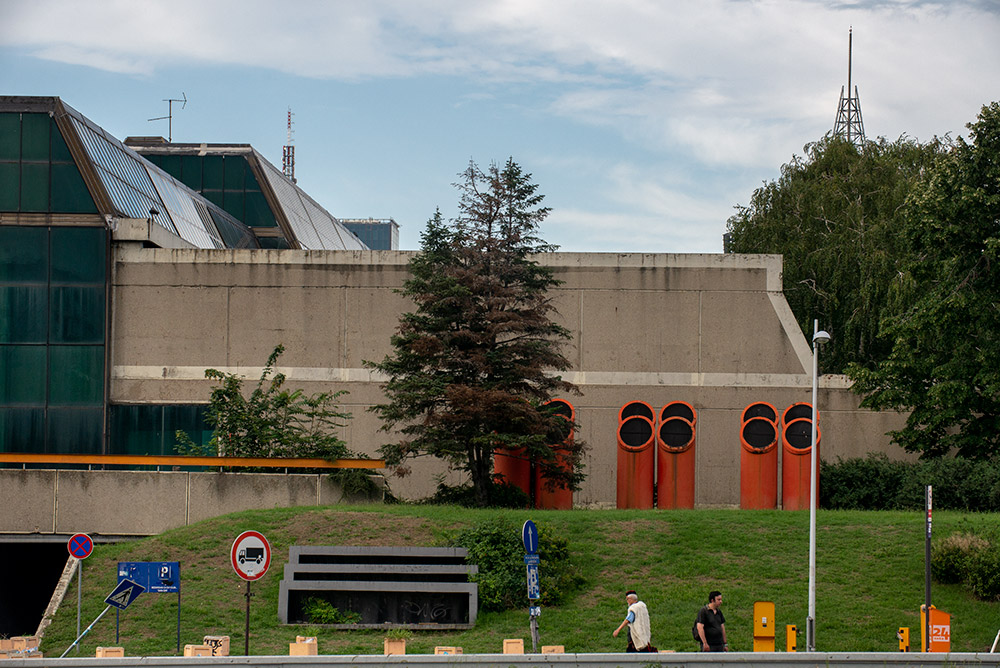
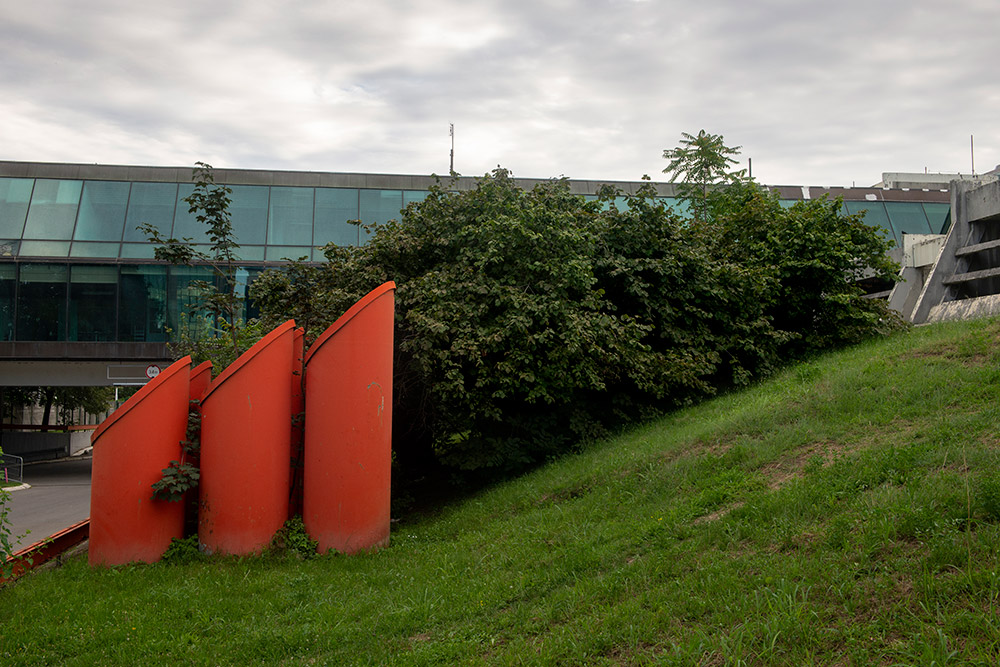
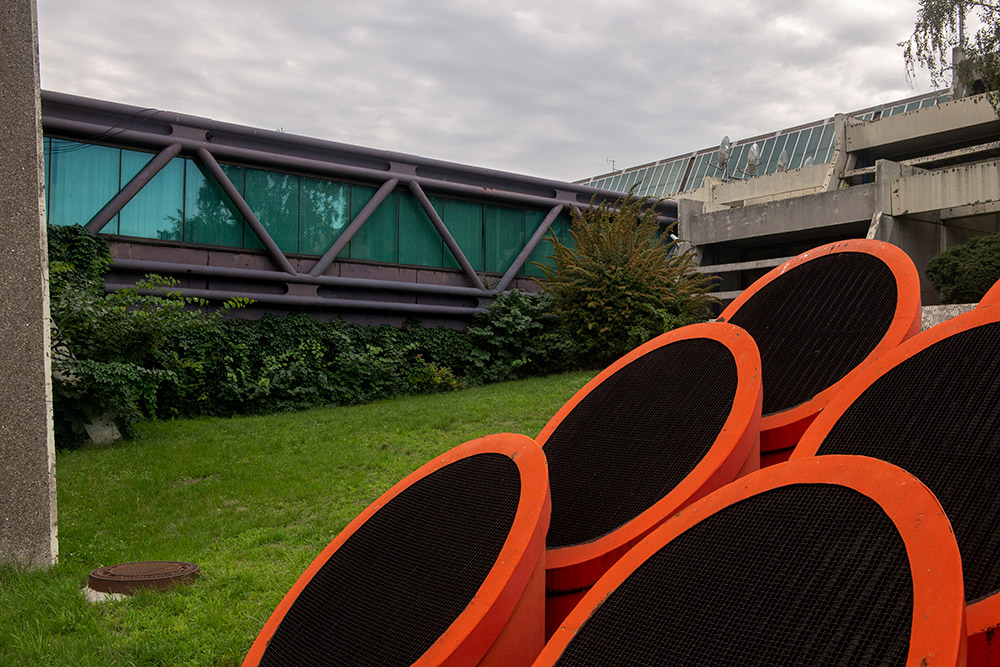
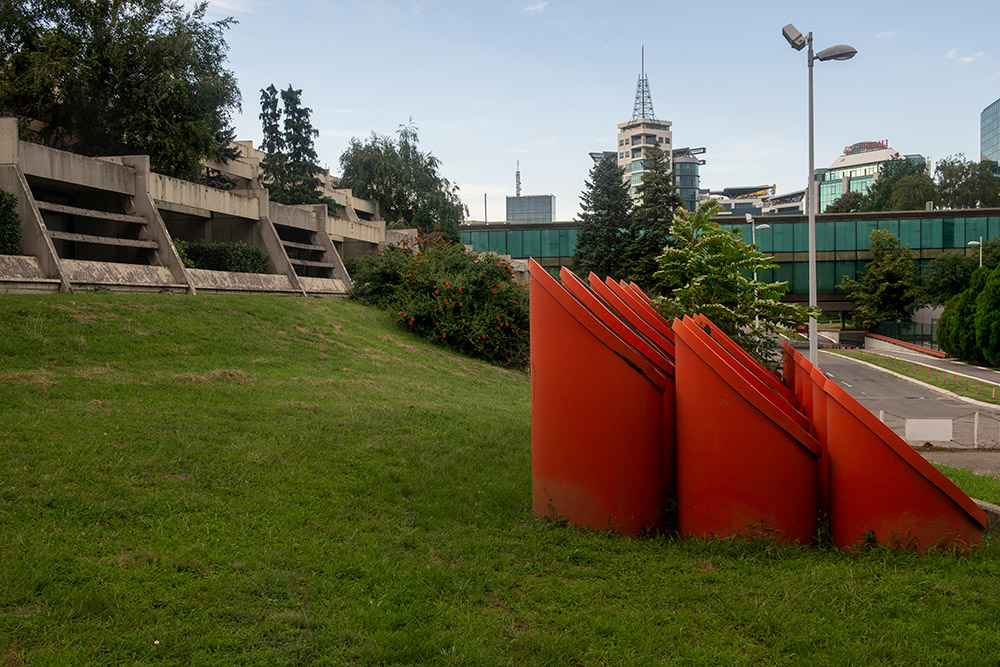
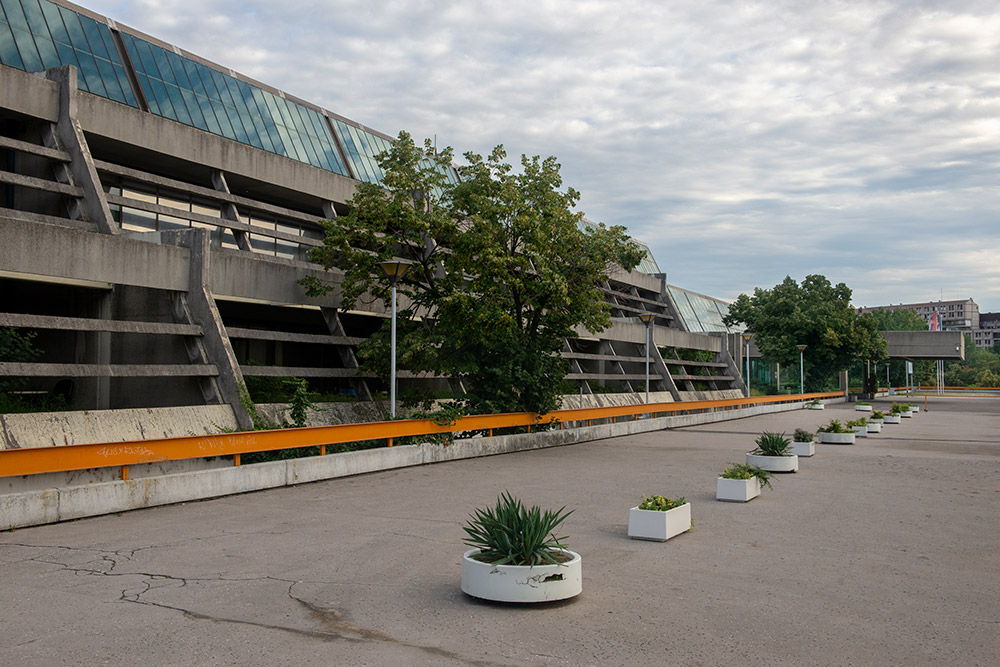
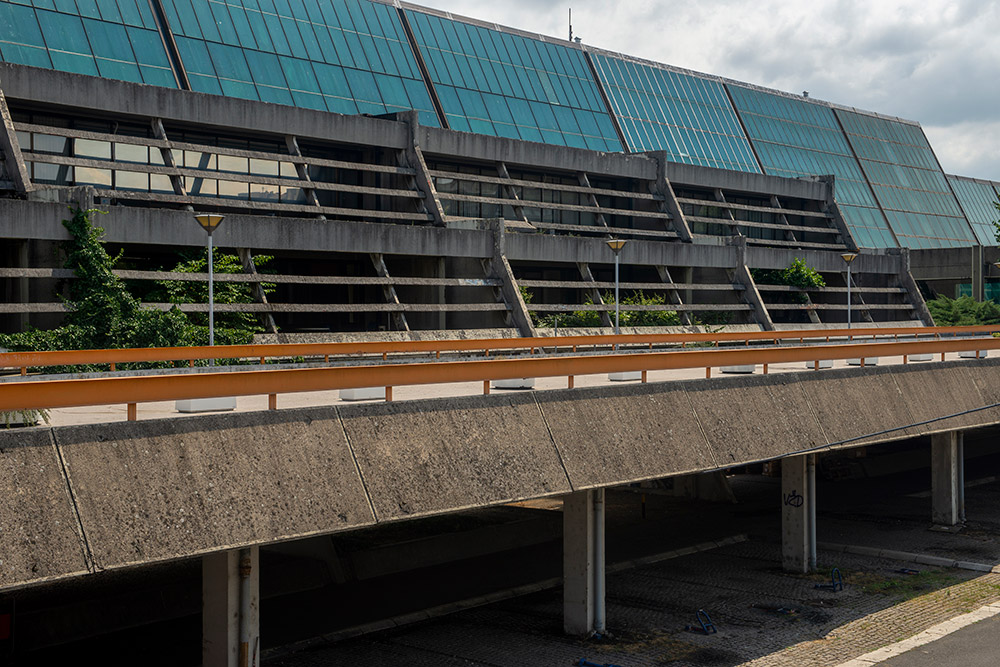
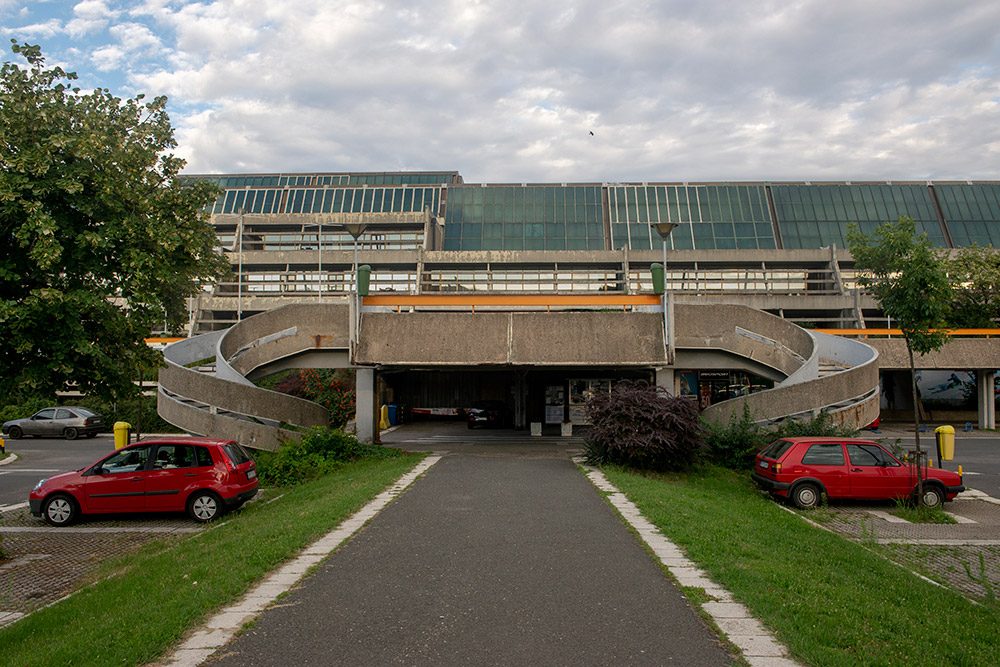
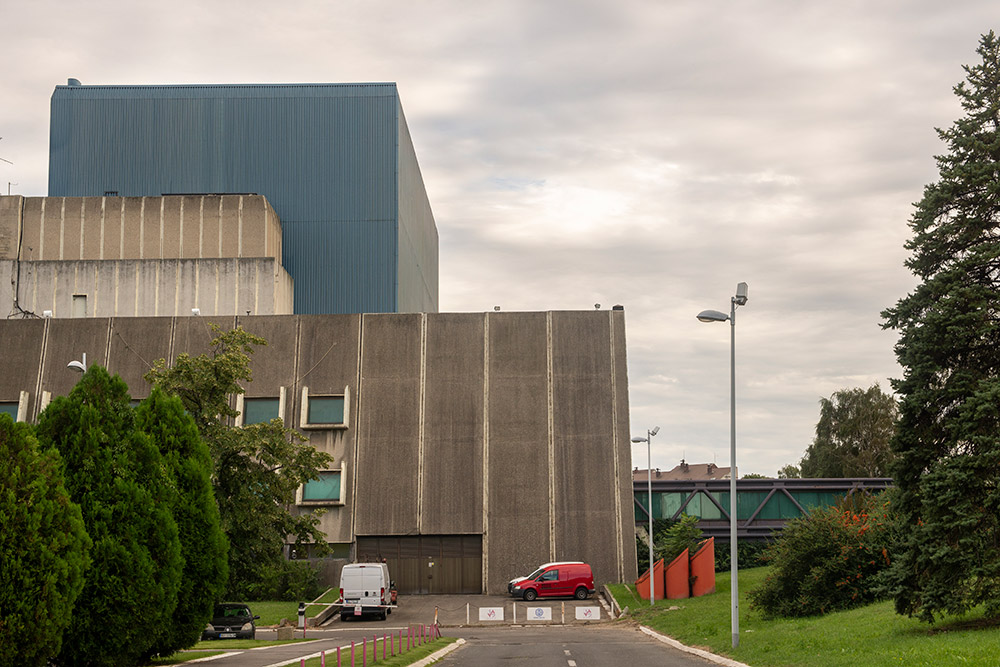
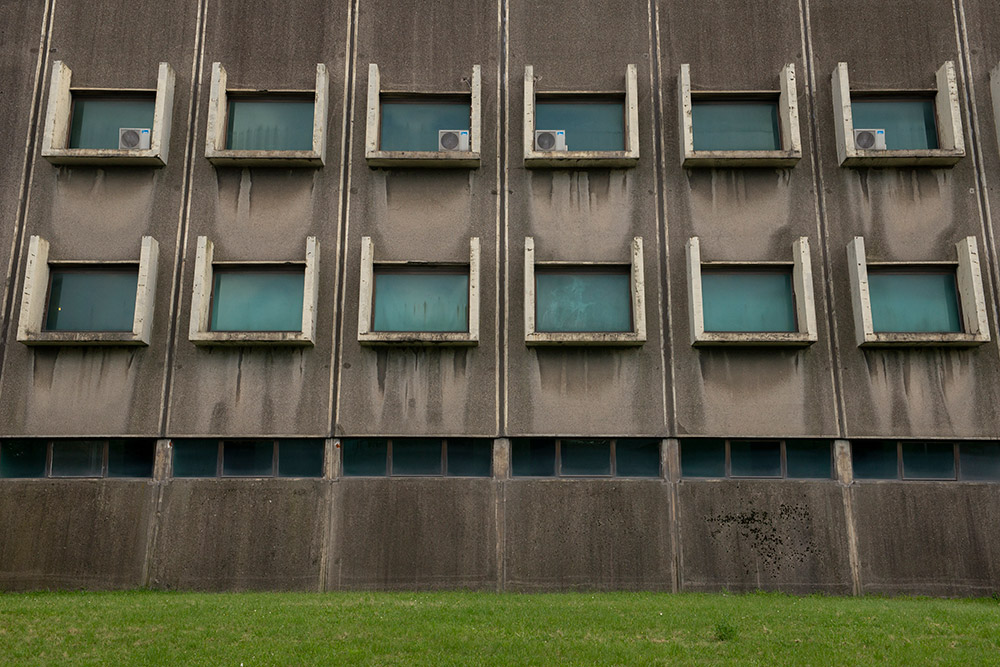
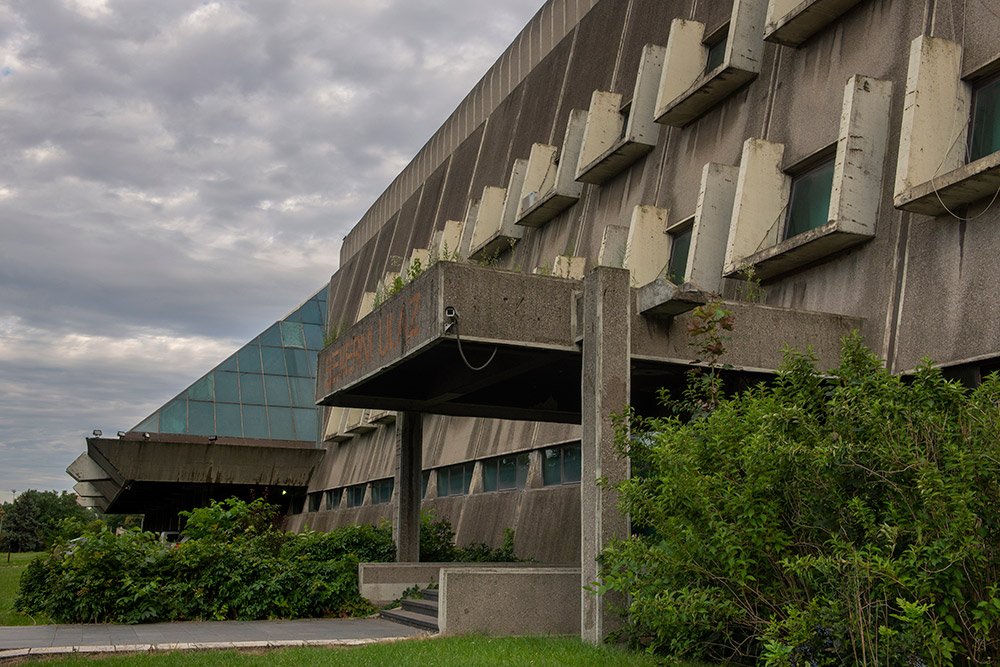
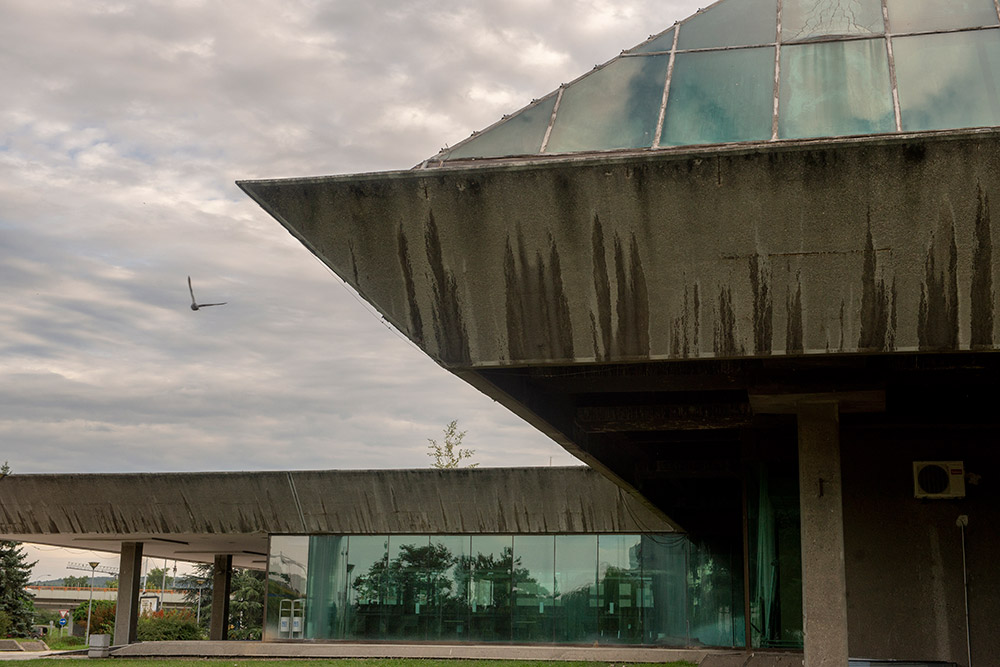
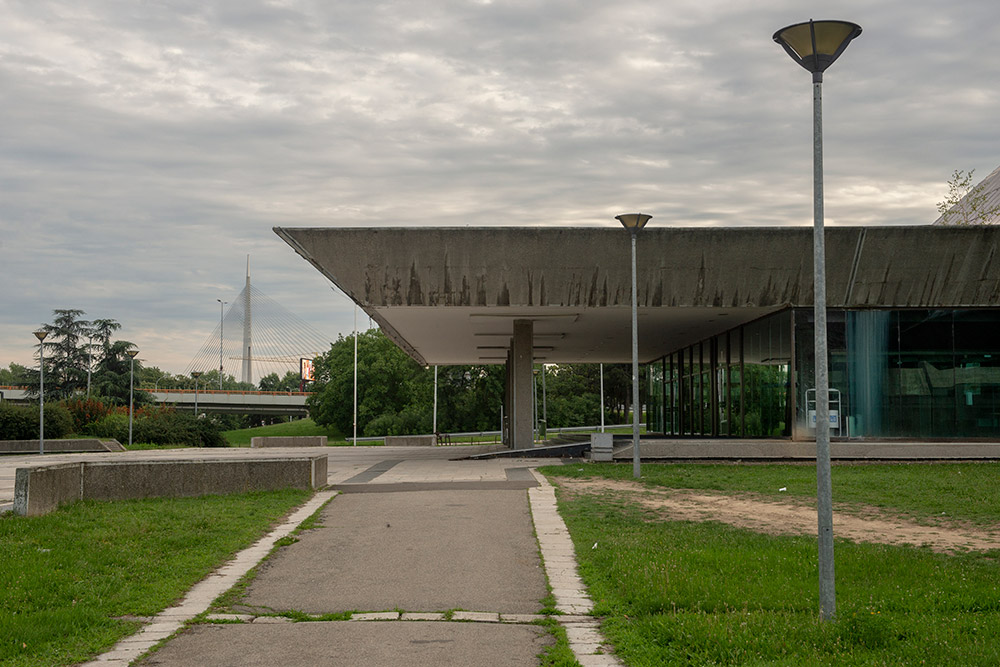
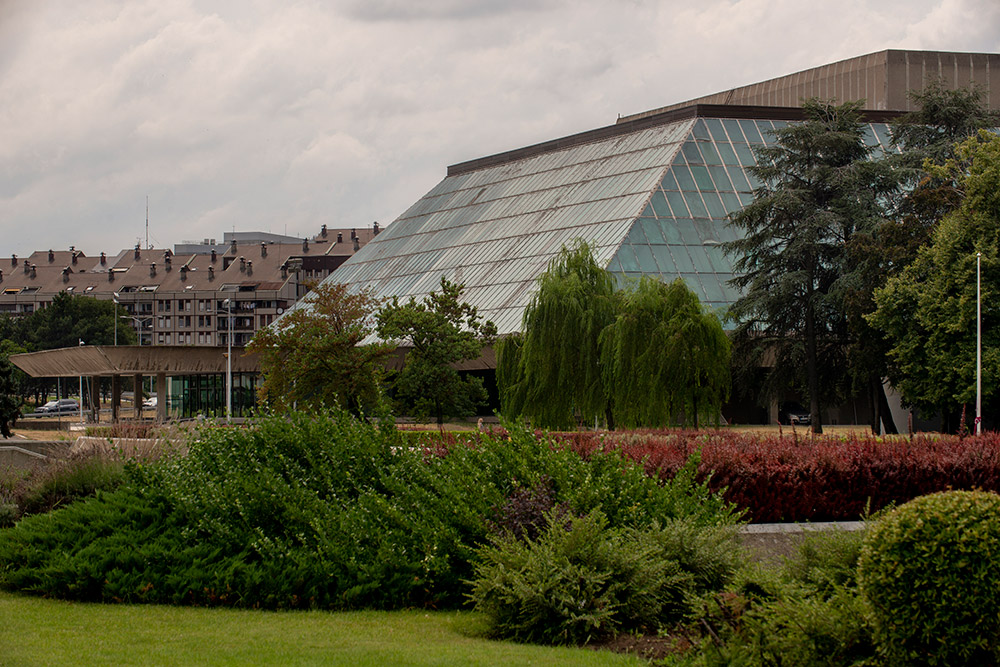
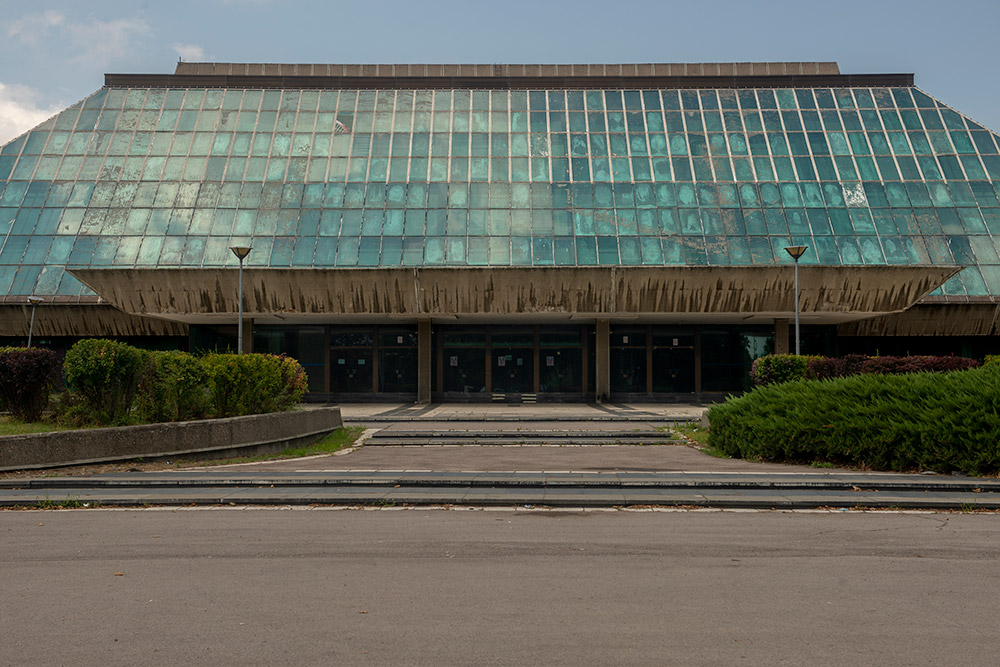
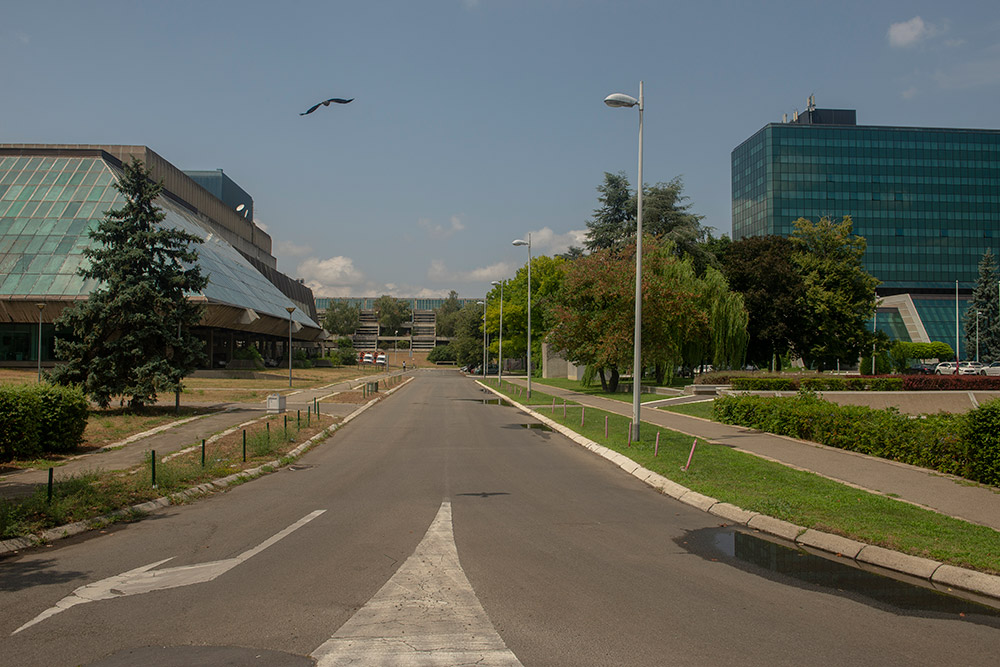
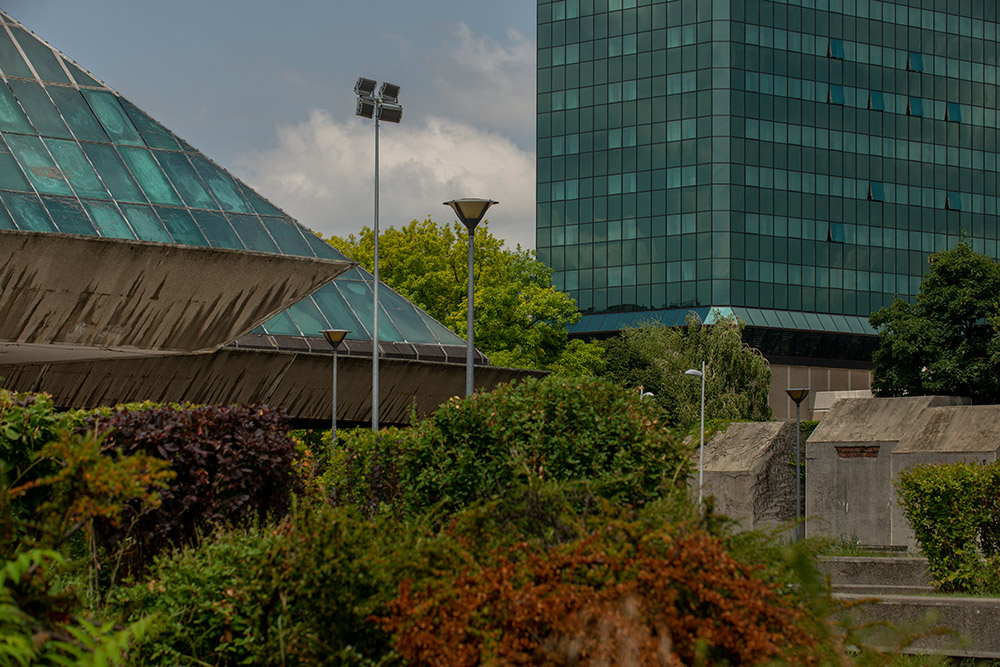
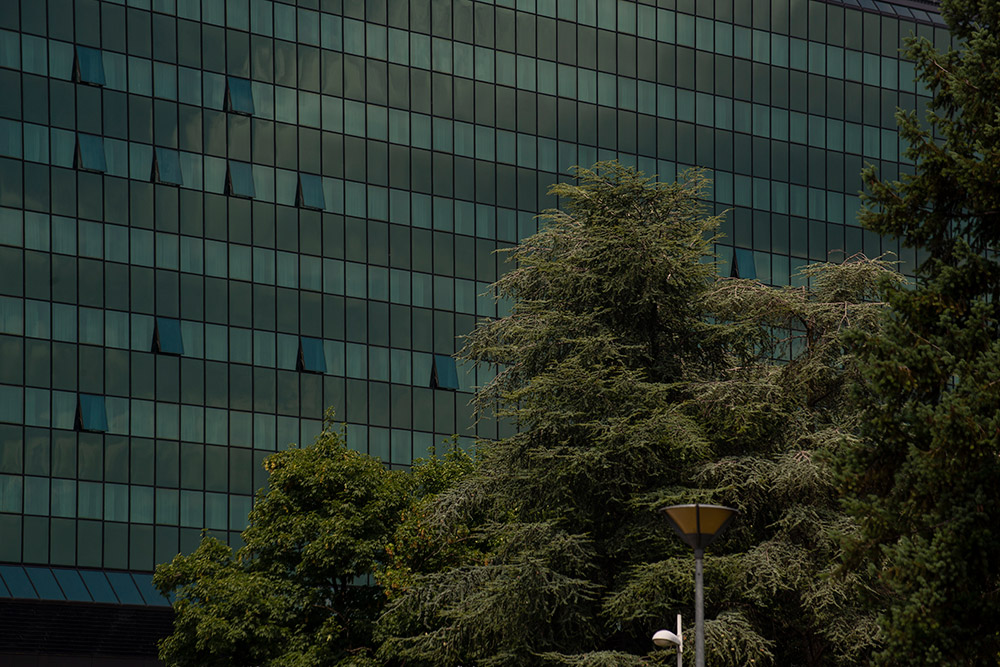
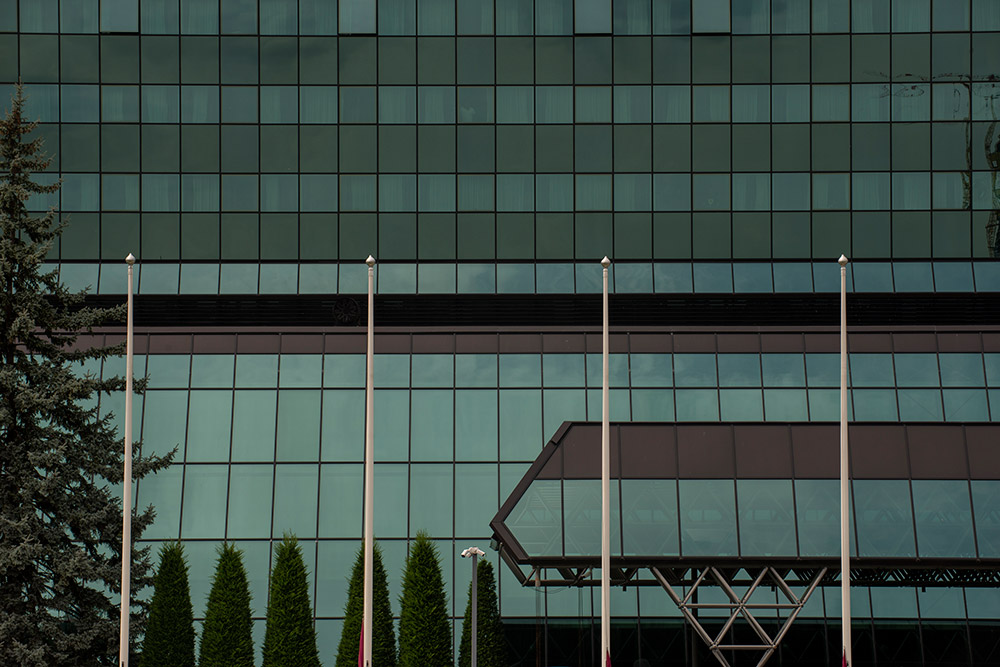
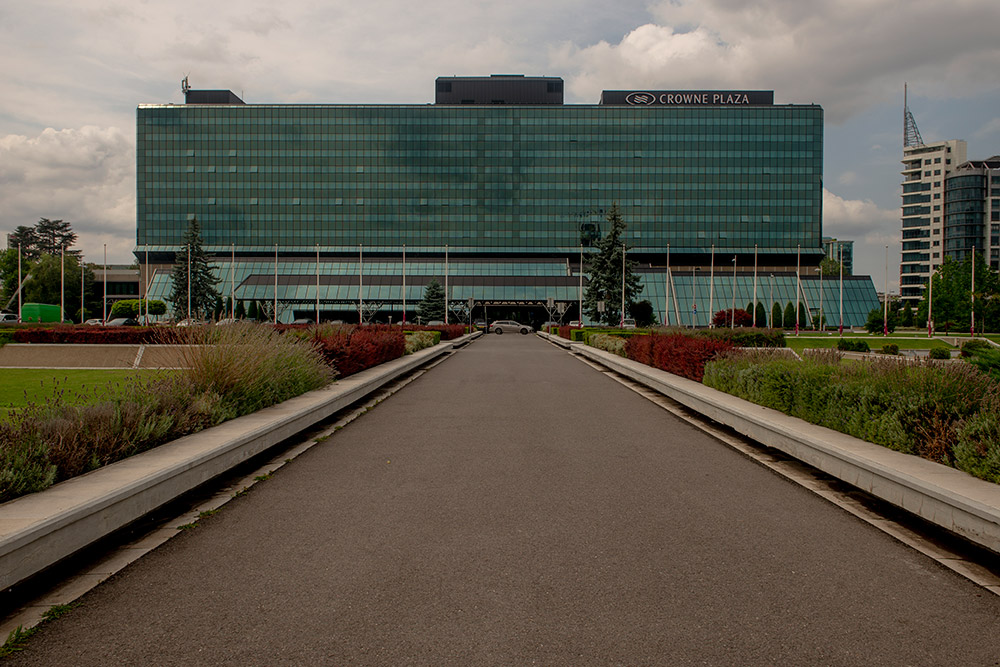
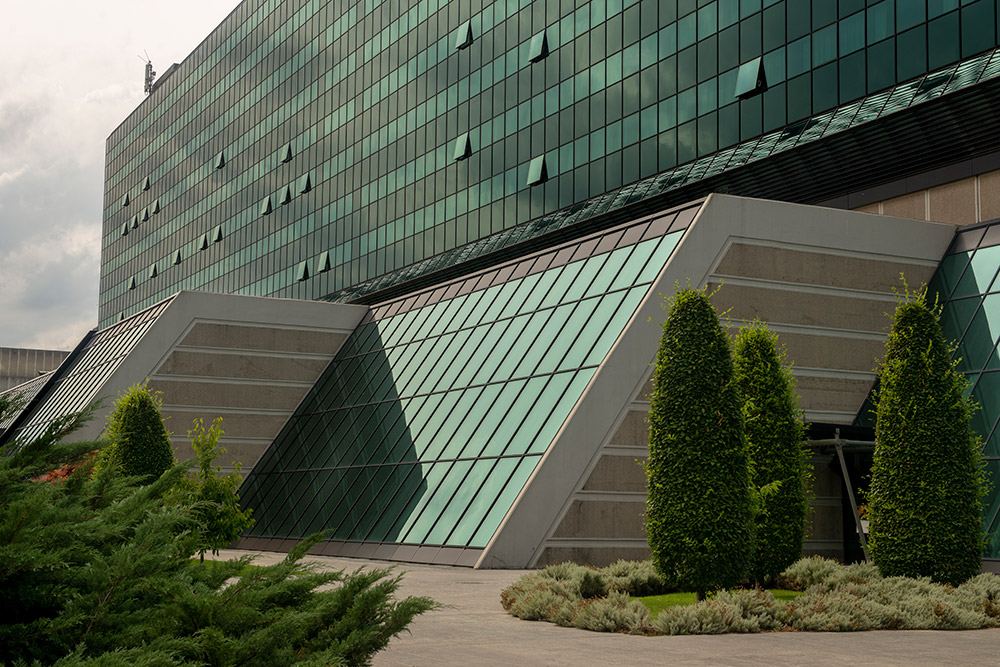
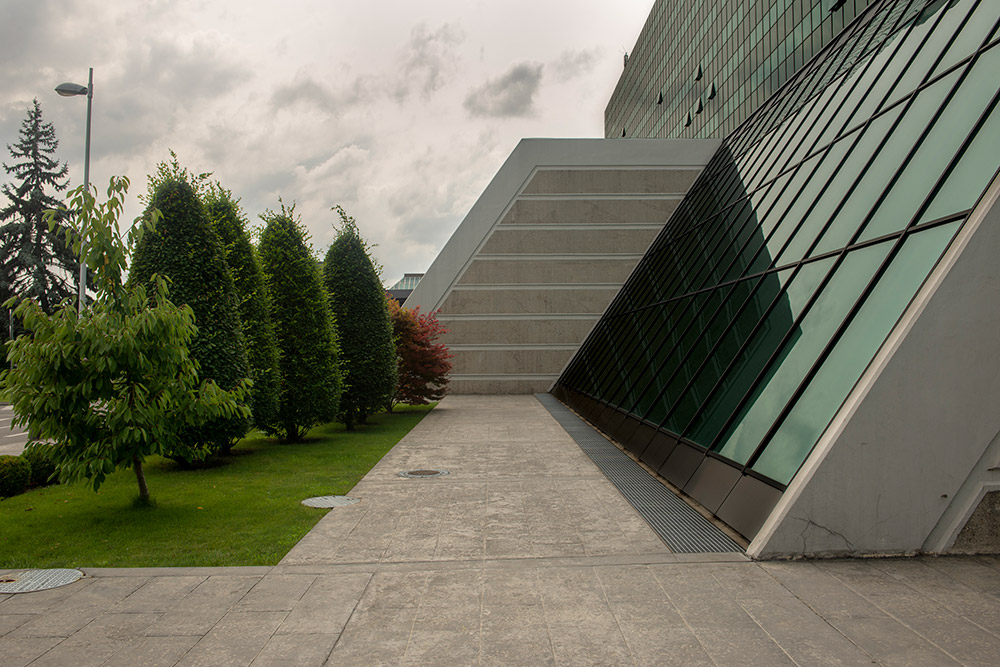
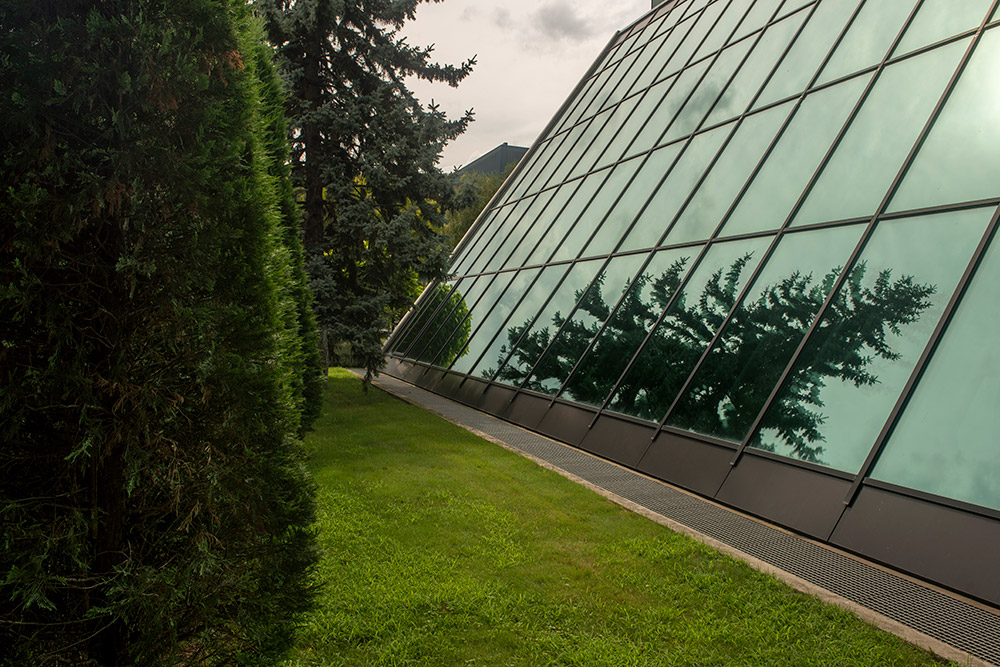
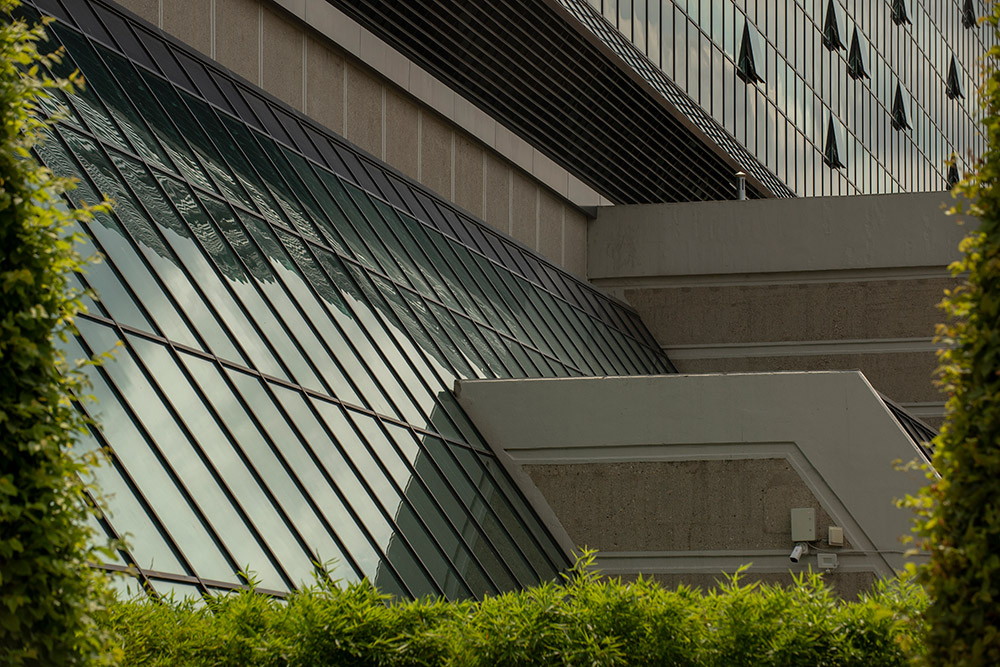
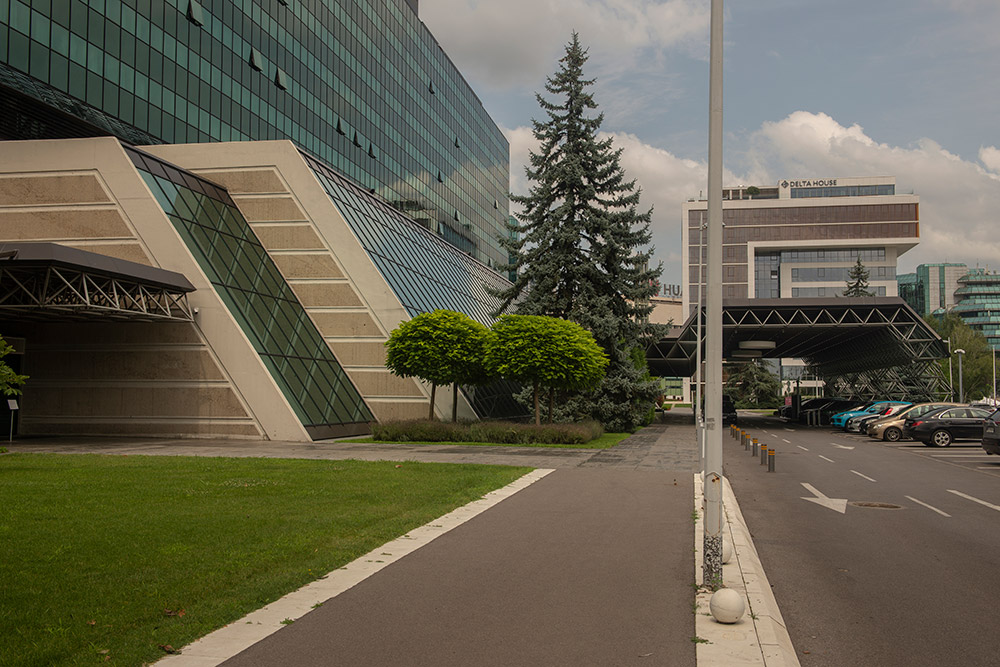
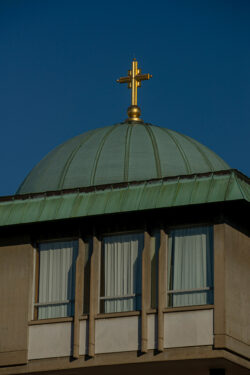
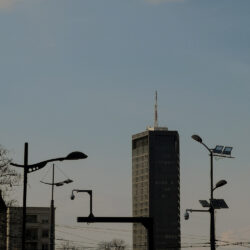
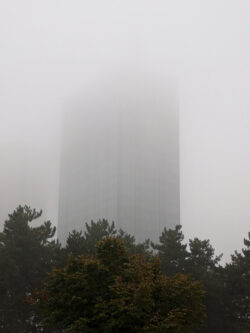
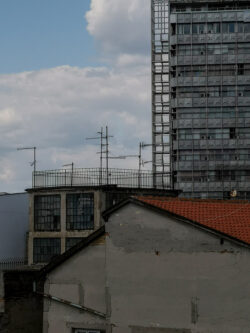
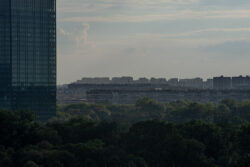
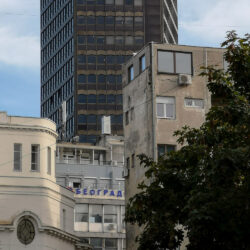
Completed in the late ‘70s as an ultra-modern multi purpose complex, Sava Centre was immediately selected in the top ten edifices considered for the prestigious Pritzker prize.
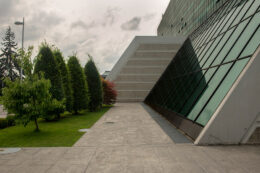
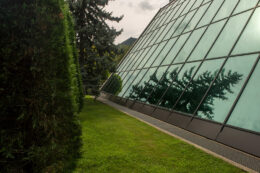
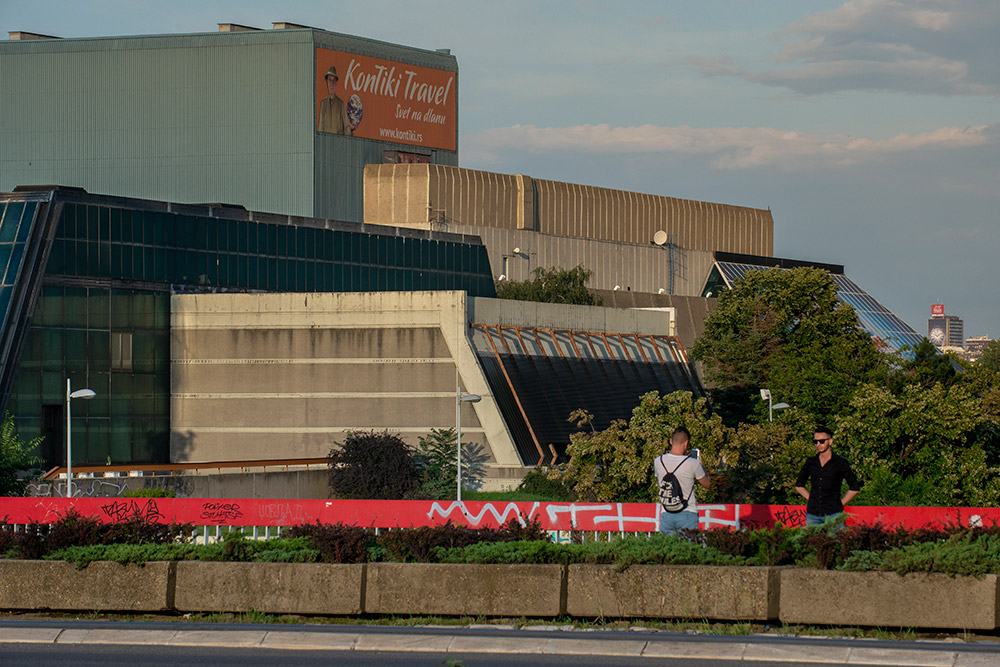
A symbol of economic prosperity of SFR Yugoslavia, as well as its capital Belgrade, it is a seminal work by Stojan Maksimović, an architect. A business-congress building, a concert hall and a hotel form a complex which could host a wide range of events and, decades later, it still is the the most relevant institution of its kind in Serbia. But, as a rule, after the break up of SFRY, the building started to deteriorate visibly, as a consequence of broken economy. Additionally, to secure extra funding for maintenance the slanted roof has become a gigantic advertising space.


Its history began a few years before the construction. At the first OSCE conference (1975), in Helsinki, Finland, Belgrade was chosen to be the next host in 1977. Lacking in necessary facilities for such an event, in terms of capacity, technology and security, authorities decided to build a brand new one, state-of-the-art architectural complex – Sava Centre.


The first phase of construction (out of three) started in 1976. A business-congres center, Object A, was built over the course of 11 months and completed a month before the conference. The Object B followed – a 4,200-seat congress-concert hall was finished in 1978, and finally Object C, hotel Intercontinental (now renovated Crowne Plaza), with about 500 accommodation units, finished in 1979.
Sava Centre complex was designated as cultural goods in 2021 by Republic of Serbia. A year later, Objects A and B were sold in a third attempt, after the price has been reduced twice. The tender condition was to invest at least 50 million EUR and not to change the original purpose of the facility. Investor’s intention is to adapt the building for modern congress tourism.


With over 10 million visitors in the last four decades, it has hosted numerous international and local events, conferences, festivals, concerts, etc. including OSCE and UN conference, IMF, UNESCO, EBRD and Interpol assemblies, Non-Aligned Movement Summit as well as FEST (International Film Festival), BITEF (Belgrade International Theatre Festival), BELEF (Belgrade Summer festival), and countless orchestras, troupes and individual performers.
to explore related posts – continue scrolling
to navigate through posts – use arrows
Completed in the late ‘70s as an ultra-modern multi purpose complex, Sava Centre was immediately selected in the top ten edifices considered for the prestigious Pritzker prize.
A symbol of economic prosperity of SFR Yugoslavia, as well as its capital Belgrade, it is a seminal work by Stojan Maksimović, an architect. A business-congress building, a concert hall and a hotel form a complex which could host a wide range of events and, decades later, it still is the the most relevant institution of its kind in Serbia. But, as a rule, after the break up of SFRY, the building started to deteriorate visibly, as a consequence of broken economy. Additionally, to secure extra funding for maintenance the slanted roof has become a gigantic advertising space.


Its history began a few years before the construction. At the first OSCE conference (1975), in Helsinki, Finland, Belgrade was chosen to be the next host in 1977. Lacking in necessary facilities for such an event, in terms of capacity, technology and security, authorities decided to build a brand new one, state-of-the-art architectural complex – Sava Centre.


The first phase of construction (out of three) started in 1976. A business-congres center, Object A, was built over the course of 11 months and completed a month before the conference. The Object B followed – a 4,200-seat congress-concert hall was finished in 1978, and finally Object C, hotel Intercontinental (now renovated Crowne Plaza), with about 500 accommodation units, finished in 1979.
Sava Centre complex was designated as cultural goods in 2021 by Republic of Serbia. A year later, Objects A and B were sold in a third attempt, after the price has been reduced twice. The tender condition was to invest at least 50 million EUR and not to change the original purpose of the facility. Investor’s intention is to adapt the building for modern congress tourism.


With over 10 million visitors in the last four decades, it has hosted numerous international and local events, conferences, festivals, concerts, etc. including OSCE and UN conference, IMF, UNESCO, EBRD and Interpol assemblies, Non-Aligned Movement Summit as well as FEST (International Film Festival), BITEF (Belgrade International Theatre Festival), BELEF (Belgrade Summer festival), and countless orchestras, troupes and individual performers.
to explore related posts – continue scrolling
to navigate through posts – use arrows
We use cookies to improve your experience on our site. By using our site, you consent to cookies.
Manage your cookie preferences below:
Essential cookies enable basic functions and are necessary for the proper function of the website.
You can find more information in our Cookie Policy and .